Free shipping in the U.S. for orders over $50

What Buyers Should Know About Colored Glass Consistency
Most buyers think color inconsistency is an aesthetic issue. I think it is a process-control issue first, and a trust issue second.
Free shipping in the U.S. for orders over $50


Most buyers think color inconsistency is an aesthetic issue. I think it is a process-control issue first, and a trust issue second.

Freezable glycerin bongs look like easy premium glass. I think they are profitable only when buyers treat them like a risk-managed category, then use that same discipline to expand into dab rigs without bloating dead stock.

Most merchants misread dab rigs as decorative cousins of the bong. They are not. This piece shows how to build a tighter, more profitable expansion using buyer behavior, regulatory context, and a basket-first merchandising model.
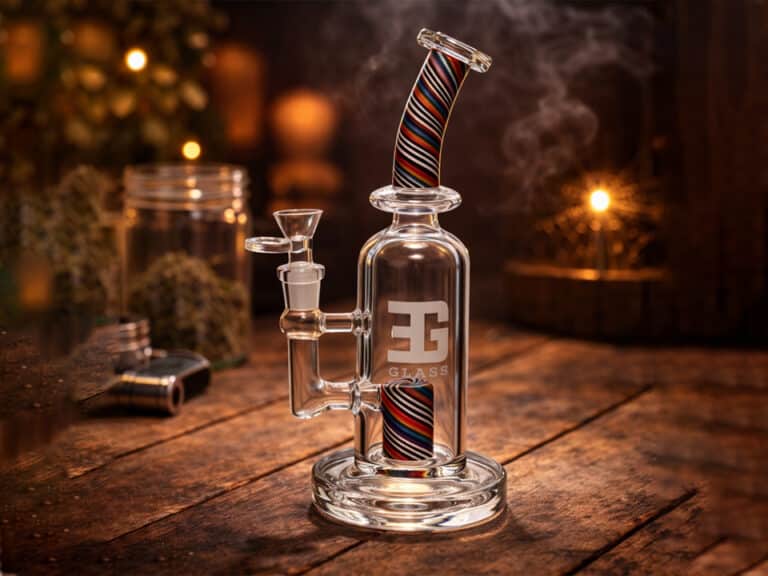
Most buyers obsess over unit price and miss the far uglier math hiding in freight, breakage, labeling, and supplier inconsistency. This guide shows how I would screen a factory, pressure-test packaging, and protect margin before the first container leaves port.
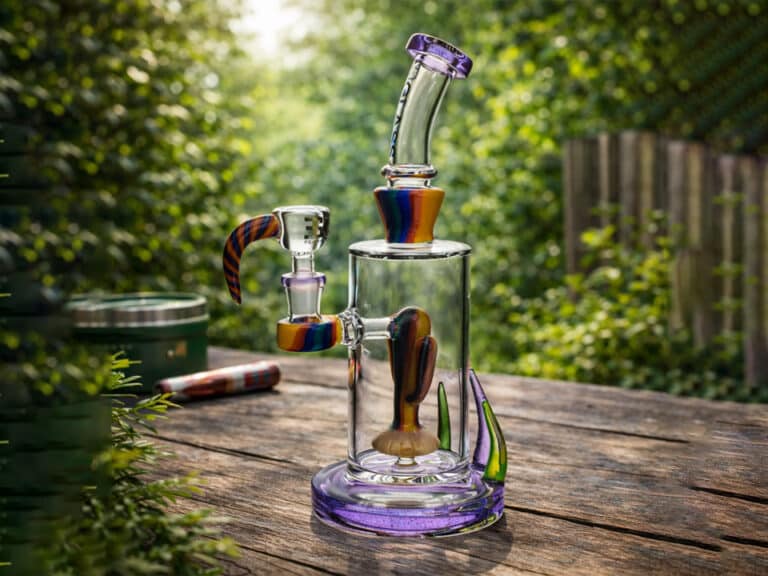
Scientific glass is no longer a novelty buy. It is a design-and-performance category shaped by concentrates, legal change, and buyers who now spot cheap fabrication in seconds.
This piece tracks the real demand signals behind borosilicate glass bongs, dab rigs, and functional smoking accessories, then maps them to product types that still make sense.

Most private-label glass brands do not have care instructions. They have vague disclaimers dressed up as customer guidance, and that mistake gets expensive fast.
This piece shows how I would write care copy that protects buyers, sharpens SEO, and keeps product pages, inserts, and labels from contradicting each other.
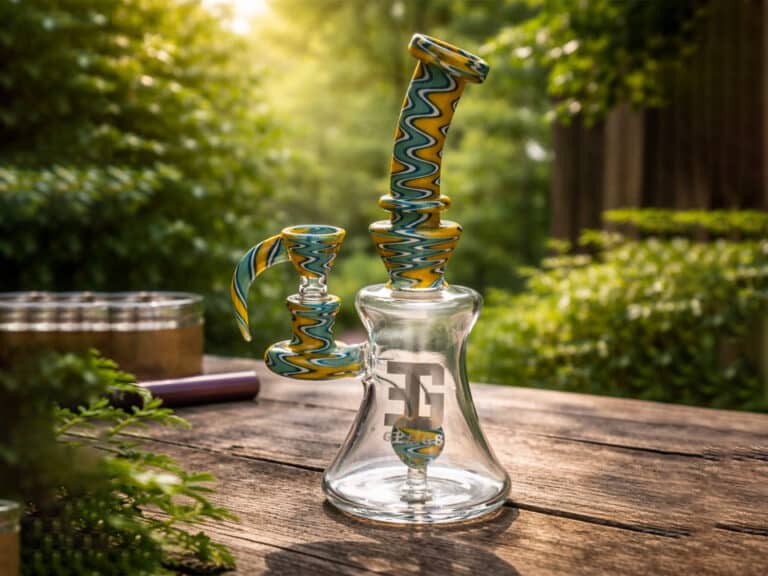
Most retailers do not lose on glass because the pieces are ugly. They lose because the size mix is wrong for the segment, the buyer, and the shelf economics.
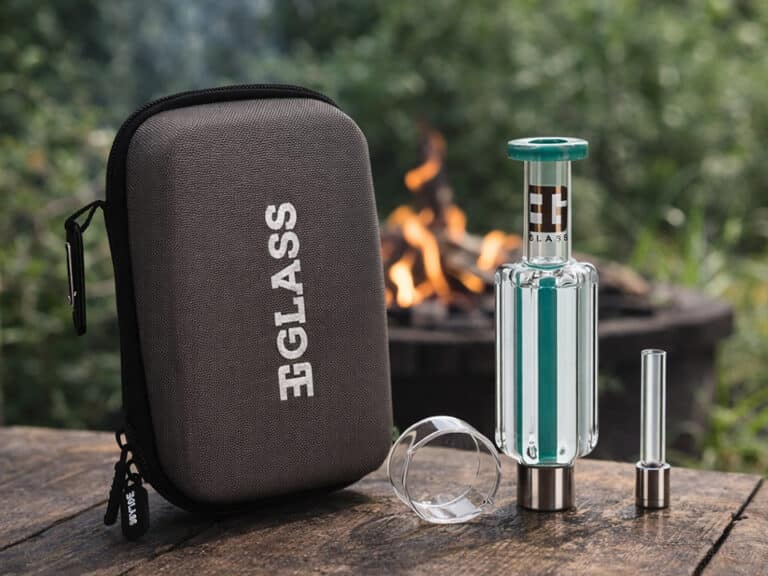
Most buyers shortlist bong manufacturers the wrong way: they chase price, confuse traders for factories, and ignore compliance until customs or breakage forces the lesson. This guide shows how I would vet wholesale bongs suppliers for legal fit, factory proof, accessory consistency, and repeatable volume execution.
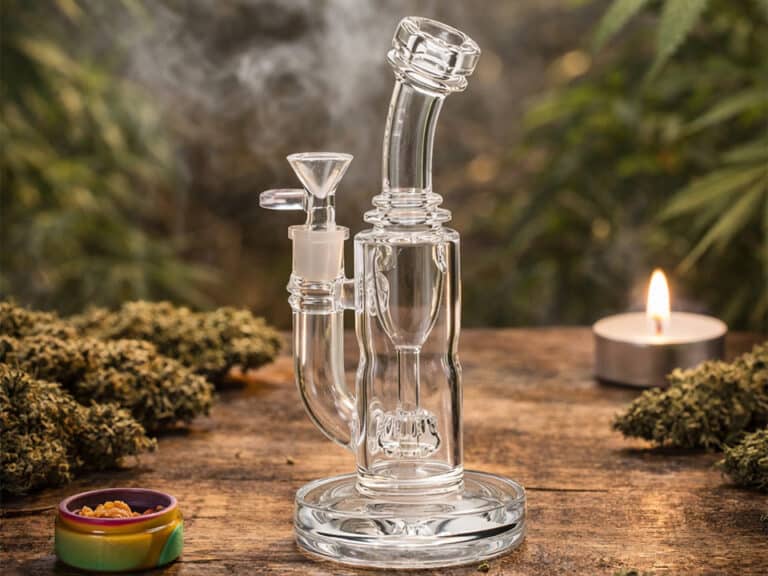
Most wholesale bongs assortments are lazy, oversized, and too dependent on generic beaker shapes. This piece argues for a tighter basket built around velocity, price architecture, and the formats customers actually buy.
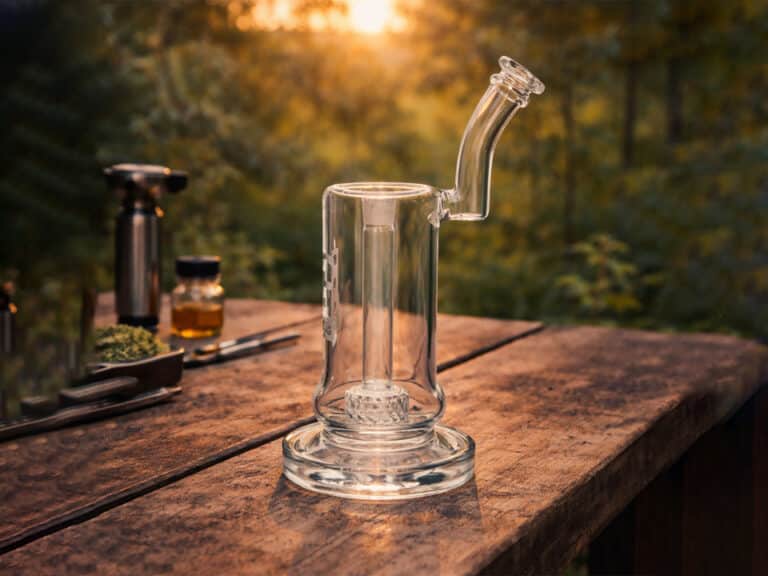
Most new glass suppliers look polished until you ask for process data, defect trends, and traceability records. This piece shows what I would verify before trusting any new partner with serious production.

Most premium glass does not have a product problem. It has a presentation problem. This guide shows how to stage, price-signal, and protect premium borosilicate so shoppers stop browsing and start buying.
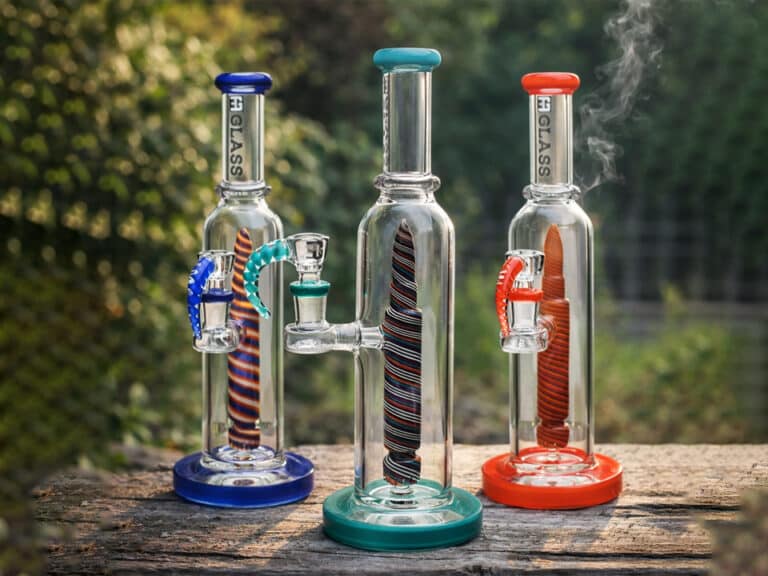
First-time dab rig buyers get sold aesthetics, size, and hype when they should be buying control, durability, and a sane learning curve. This guide cuts through the industry theater and shows what actually matters before you spend a dollar.