Free shipping in the U.S. for orders over $50

Build a Knowledge Base for First-Time Dab Rig Buyers
They puff up the same recycled advice, call every shiny piece “beginner-friendly,” and somehow skip the part where first-time buyers are dealing with chamber volume, borosilicate quality, airflow resistance, heat retention, and concentrates that can hit with absurd force if you treat them like mellow flower. That the game?
From my experience, the first bad dab rig doesn’t just waste money. It teaches ugly habits. Hot pulls. Dirty glass. Way too much concentrate on the tool. Then people say dabbing is harsh, messy, overrated. No—it’s usually the setup. And the sales pitch.
Here’s the ugly truth: concentrates aren’t “just weed, stronger.” In April 2023, the University of Washington’s Addictions, Drug & Alcohol Institute said concentrates commonly land around 60% to 90% THC, and NIDA’s 2024 potency data still tracks hash oil as a distinct extract category; CDC also warns that highly concentrated THC products are tied to more severe cannabis use disorder symptoms. That’s not small stuff. That’s chemistry with attitude.
Table of Contents
What a dab rig actually is, minus the smoke-shop mythology
But let’s kill the dumbest myth first: a dab rig is not “basically a bong.”
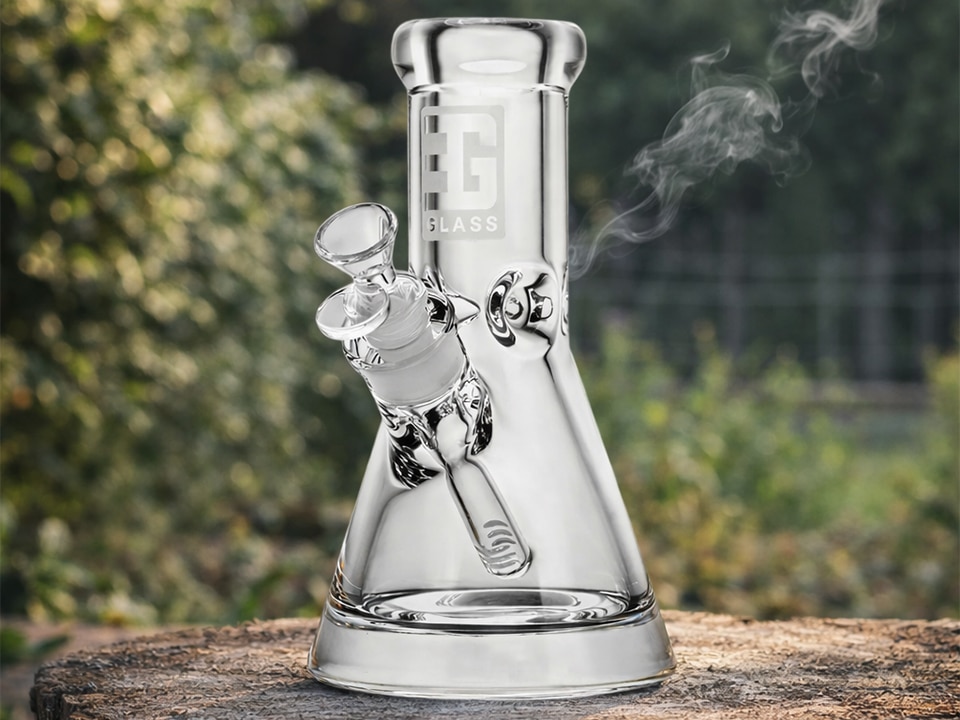
It’s a water-filtered concentrate setup built for wax, shatter, rosin, budder, live resin—your sticky alphabet soup—using a heated surface like a banger or nail instead of a flower bowl, which changes the inhale, the temperature behavior, the pacing, and frankly the margin for user error in a way beginners feel immediately. Huge difference.
And that’s why I get twitchy when retailers blur categories. If what you really want is flower, buy flower gear and stop pretending otherwise. A Bonsai Series Pot hand pipe, an Ocean USA color glass weed pipe, or a Solid Mushroom borosilicate hand pipe lives in a different lane from a dab rig. Same culture. Different mechanics. Different outcome.
Most first-time buyers choose the wrong beginner dab rig
Small is smart.
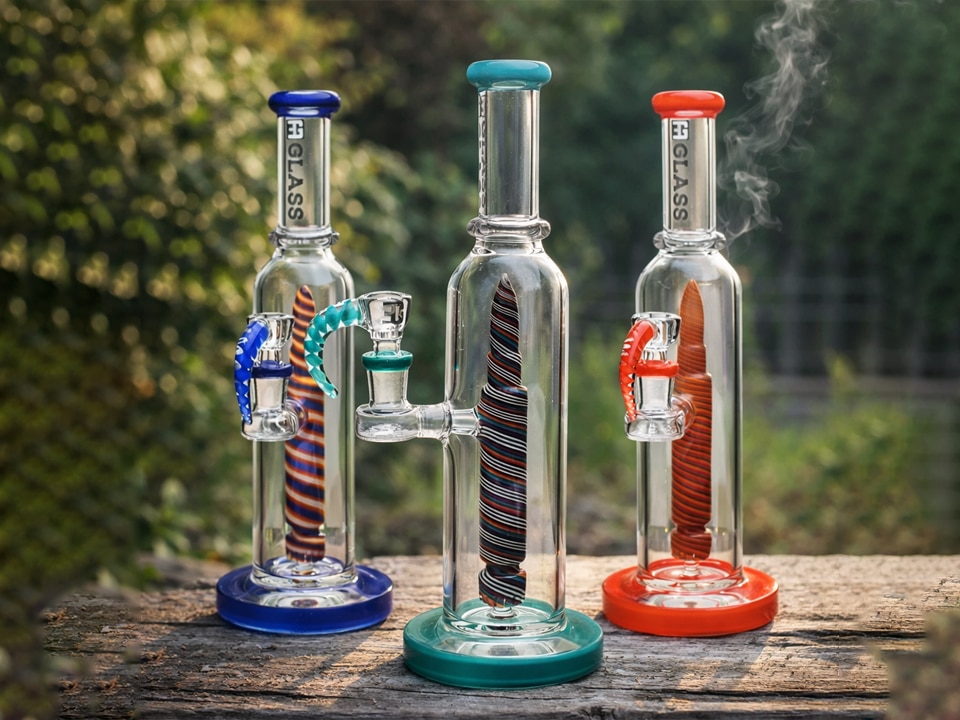
I frankly believe the market has trained beginners to shop with their eyes, not their lungs, so they end up buying oversized glass, goofy recycler gimmicks, or rigs with too many failure points, when what they really need is a stable base, simple airflow, low chamber volume, and a design that doesn’t punish every rookie mistake with a coughing fit. Happens constantly.
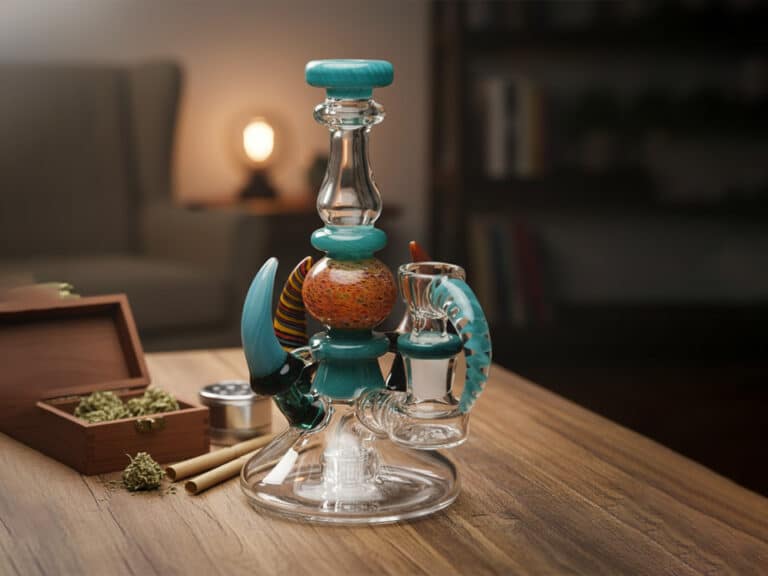
Take the Opal Whistle one-piece mini borosilicate dab oil rig. It’s listed at $44.99, measures 3.3 inches, weighs 70g, and uses borosilicate glass, which is exactly the kind of no-nonsense spec sheet I like for a first-time buyer because it signals restraint instead of theater. Tiny rig. Good.
Would I hand a newbie some giant heady piece with fussy chambers and a price tag inflated by aesthetics? No chance. That’s how you get scared off the category before you even learn what a clean low-temp pull is supposed to feel like.
How to choose a dab rig without getting hustled
Yet this part gets butchered online because most “guides” are really storefront copy dressed up in blog clothing.
Start with material. Borosilicate isn’t a magic shield, but it’s the baseline because repeated heat stress, quick cooldown, and day-to-day handling expose cheap decorative glass almost immediately. Then check footprint and stability, because a top-heavy rig on a crowded desk is basically a future accident waiting for one elbow. Then simplify everything else—fewer joints, fewer weird add-ons, fewer places for reclaim and grime to hide. Simple works. Usually.
And here’s a question most beginners should ask sooner: are you actually shopping for concentrates, or are you just seduced by glass art? That matters. If you’re really after a flower session and a good-looking piece, a cactus pot hand pipe or a bonsai borosilicate hand pipe makes more sense than forcing a dab rig into a job it wasn’t built to do. I’ve seen people do this. It never gets smarter on the second try.
Electric dab rig or standard rig? Here is the clean comparison
Now the fun argument.
People love to act like electric dab rigs ended the glass rig debate—as if one battery and a preset temperature somehow solved user preference, price sensitivity, cleaning habits, and old-fashioned ritual. It didn’t. It just shifted the tradeoffs.
An electric dab rig is easier for a lot of beginners because it cuts out torch anxiety and gives more repeatable temps, which means fewer scorched hits and less guesswork, but then you inherit battery life, atomizer wear, charging, firmware weirdness, and a higher entry cost before you’ve even figured out whether dabbing is going to be a weekly thing or a two-week phase. Tradeoffs. Always.
A standard beginner dab rig is less forgiving at first, sure—but it teaches the actual workflow. Heat, cool, cap, pull, clean. You learn the rhythm. You learn where you messed up. I still think that matters.
| Factor | Beginner glass dab rig | Electric dab rig | Bong or flower pipe |
|---|---|---|---|
| Best use | Concentrates with manual heat control | Concentrates with electronic heat control | Dry flower, not true dabbing |
| Heat source | Torch + banger/nail | Internal battery or powered heater | Lighter + bowl |
| Learning curve | Moderate | Lower at first | Low for flower, wrong tool for concentrates |
| Flavor control | High if temperature is managed well | Consistent, sometimes flatter depending on atomizer | Poor fit for concentrates |
| Maintenance | Glass cleaning + banger care | Atomizer cleaning + charging + parts wear | Simpler for flower use |
| My blunt verdict | Best for learning the fundamentals | Best for convenience-first buyers | Buy this only if you want flower |
My take? If you hate torches, go electric. If you want to actually understand the process—and spend less while doing it—start with a compact glass rig. But don’t buy a bong and call it a dab solution just because somebody at a counter shrugged and said, “Close enough.” It isn’t.
Dab rig accessories that matter, and the junk that does not
However, accessories are where beginners get nickel-and-dimed to death.
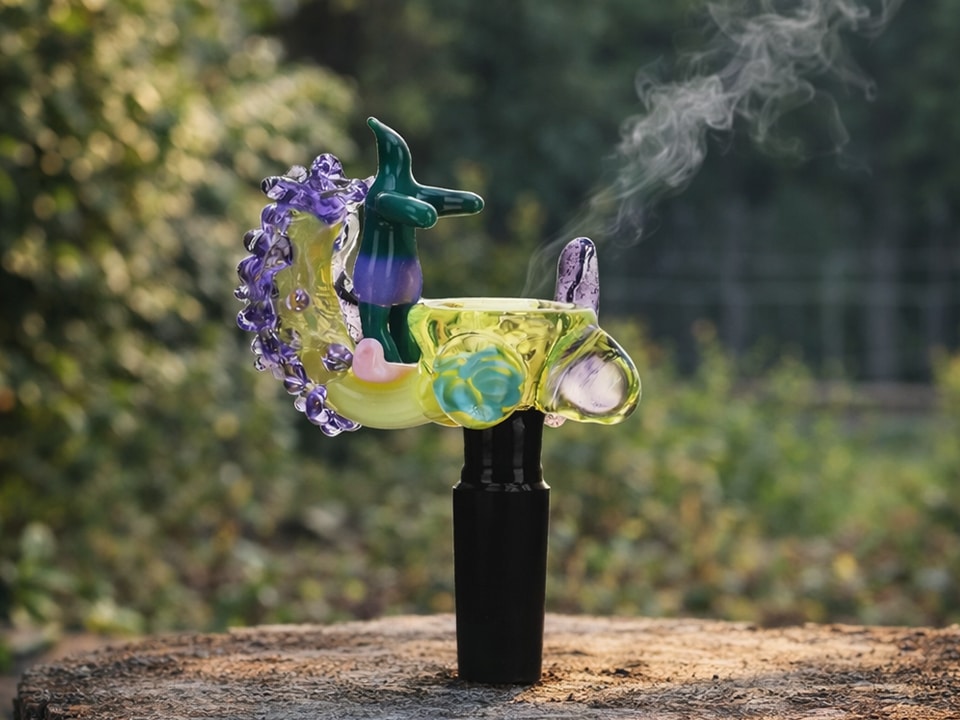
The gear that matters is brutally basic: a solid banger or nail, a carb cap, a dab tool, isopropyl alcohol for cleaning, and a storage routine that keeps your wax, rosin, or BHO from turning into a sticky mess that stinks up the room and ruins the next session. That’s the core kit. Everything else? Maybe later. Maybe never.
CDC reported in 2023 that cannabis-involved emergency department visits among people under 25 stayed above 2019 levels through 2022, with increased availability, highly concentrated THC products, and accidental exposures all part of the picture. So when I tell beginners to get boring about storage and cleanup, I’m not being dramatic—I’m being practical. Keep it sealed. Keep it labeled. Keep hot tools away from chaos.
And yes, reclaim management matters too. Dirty rigs taste foul. Burnt terp sauce tastes worse. Ignore cleanup for a week and suddenly people blame the concentrate, the banger, the cap, the universe. No. Wash the rig.
The legal part buyers ignore until it hurts
But this is where the “bro, it’s legal now” crowd loses me.
Reuters reported in May 2024 that the DEA’s move toward Schedule III would not magically reconcile state-legal cannabis markets with federal controlled-substances law, which means buyers are still navigating a patchwork where possession, purchase, transport, and home-use realities can differ wildly depending on where they live. That’s a mess. Still a mess.
Look at New Jersey: adults 21+ can possess up to 6 oz, the retail tax sits at 6.625%, and private home growing still isn’t authorized under current law. One state. Three numbers. A whole lot of people assume they know the rules and absolutely do not.
So before you obsess over terp pearls, e-rig presets, or whether your banger should be opaque-bottom quartz, check your state rules, your city, your housing situation, and whether you’re buying the kind of product you can actually store and use without getting sloppy. The glass is the easy part. Compliance is the trap.
A practical cheat sheet for first-time dab rig buyers
Here. Keep this.
| Buying question | What I’d choose first | What I’d avoid first |
|---|---|---|
| You want the safest learning curve on glass | Small borosilicate beginner dab rig | Tall, complex novelty rigs |
| You hate torches | Electric dab rig | Manual rig if you know you will avoid learning it |
| You actually prefer flower | Bonsai Series Pot hand pipe or Ocean USA color glass weed pipe | Forcing flower habits into a concentrate setup |
| You want a compact first concentrate piece | Opal Whistle mini borosilicate dab oil rig | Huge chamber pieces sold as “beginner-friendly” |
| You buy mostly for aesthetics | Cactus pot hand pipe or Solid Mushroom hand pipe | Confusing art-glass appeal with concentrate performance |
FAQs
What is a dab rig? A dab rig is a water-filtered device made for inhaling cannabis concentrates such as wax, rosin, shatter, or butane hash oil through a heated component like a banger or nail, instead of burning flower in a bowl, which changes how the session tastes, hits, and behaves from the first inhale. It’s not a flower bong with a cooler name. It’s a different tool for a different material, and beginners should treat it that way.
How do I choose a beginner dab rig? A beginner dab rig should be chosen by focusing on small chamber size, borosilicate durability, a stable base, simple airflow, easy cleaning, and a price that won’t make you baby the thing like museum glass, because what beginners need most is control, not spectacle. From my experience, compact and boring beats big and “impressive” almost every single time. The tiny one-piece borosilicate model above is exactly the kind of spec profile I trust first.
Is an electric dab rig better for beginners? An electric dab rig is a battery-powered concentrate device that uses electronically controlled heating instead of a torch, which usually makes sessions more consistent and less intimidating for beginners, though it also brings its own baggage in the form of charging, atomizer upkeep, and a higher cost before you’ve learned your preferences. Better for some people? Absolutely. Better for everybody? Not even close. If you hate flame and love convenience, it probably fits.
What is the difference between a dab rig and a bong? A dab rig and a bong are both water pieces, but a dab rig is engineered for concentrates and lower-volume vapor while a bong is designed for combusted flower, bowl-based loading, and larger smoke pulls, which is why the two devices may look related yet perform very differently in real use. This is one of the oldest bait-and-switch ideas in the category. If you want flower, buy flower gear. If you want concentrates, don’t improvise.
Are dab rig accessories really necessary? Dab rig accessories are necessary when they directly improve heat control, dosing, airflow, cleaning, and safe handling, which means a carb cap, dab tool, suitable banger or nail, and cleaning supplies matter immediately, while many flashy bundle extras do little besides pad a beginner’s cart with stuff they won’t use properly. I’d rather see a new buyer own four useful pieces than twelve random ones. Especially when CDC data keeps reminding people that concentrated THC and sloppy storage aren’t a joke.
If you want my honest advice, start with the setup that gives you the fewest ways to screw up. That’s usually a compact rig, clean technique, and less ego. Browse the Opal Whistle mini borosilicate dab oil rig if you want a straightforward first concentrate piece; if this whole guide made you realize you’re actually shopping for flower gear, save yourself the wrong purchase and go with the Bonsai Series Pot hand pipe or the Ocean USA color glass weed pipe.