Free shipping in the U.S. for orders over $50

How Often Should Smoke Shops Monitor Competitor Prices?
Check your top-selling and most price-sensitive products every day or every few days. Check mid-range items weekly. Check premium and one-of-a-kind pieces every two to four weeks. Add extra checks around big sales events and whenever your supplier costs change.
One schedule for every SKU wastes time on items that don’t need it and misses the ones that do. Here is how to set a cadence that fits your shop.

Why Competitor Price Monitoring Matters for Smoke Shops
Glass is one of the easiest categories for customers to compare. Shoppers open a few tabs, search the same style of pipe or rig, and buy from whoever looks like the best deal. Most of that comparison happens online, even for people who plan to buy in person.
Monitoring helps you do four things:
- Protect margin. You can spot when you’re underpriced and leaving money on the table.
- Stay competitive. You can spot when you’re overpriced on items shoppers compare most.
- Time your promotions. You can see when rivals are running sales and respond with a plan instead of a panic.
- Make smarter buying decisions. You can learn which categories are getting crowded and which have room for a better margin.
The Right Frequency Depends on the Product
Fast-moving, easily compared products need frequent checks. Distinctive or artistic pieces need fewer.
Daily to Every Few Days: High-Velocity, Easy-to-Compare Items
Check these most often. They are typically low-priced, high-volume products that shoppers know well and compare in seconds:
- Ash catchers
- Bowls and slides
- Entry-level hand pipes
- Basic accessories
An item like the EGA10 Bright Horn ash catcher sits in this tier. It’s a functional add-on that customers often buy alongside a bong. A small price gap on a low-ticket item is obvious to shoppers, so it can sway the sale quickly.
Weekly: Core Mid-Range Staples
Mid-range products usually make up the backbone of your revenue. They are priced high enough that shoppers compare, but they vary enough in size, joint, and build that exact matches are less common. Check these once a week:
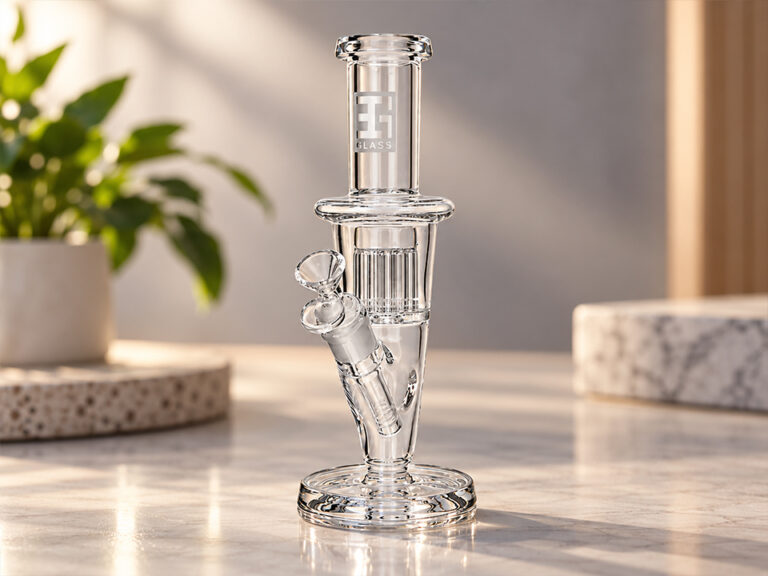
- Straight tube bongs, such as the 11.5in dual bullet water tube or the EG-35 wig-wag bullet tube
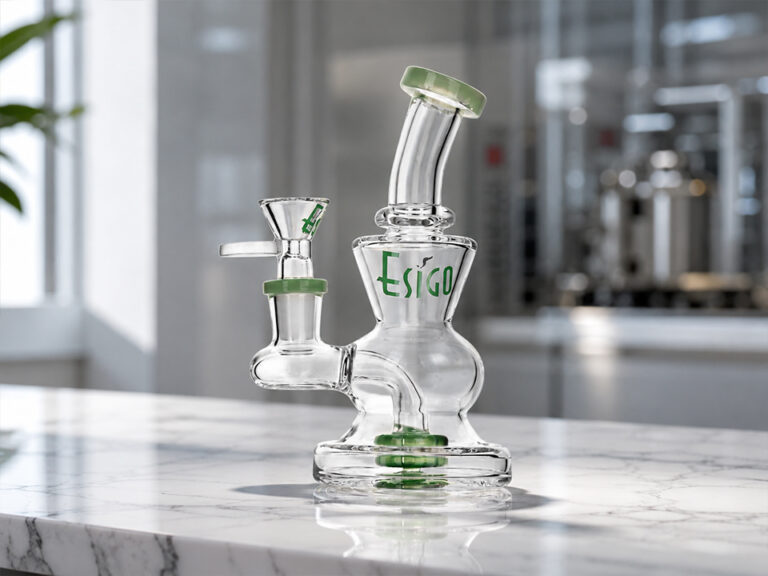
- Standard dab rigs
- Popular hand pipe styles
Because the two straight tube bongs above are close in size and style, they’re good candidates for side-by-side price comparisons against competitors. Keep an eye on how each one stacks up in its own right and against the other.
Every Two to Four Weeks: Premium and Artistic Pieces
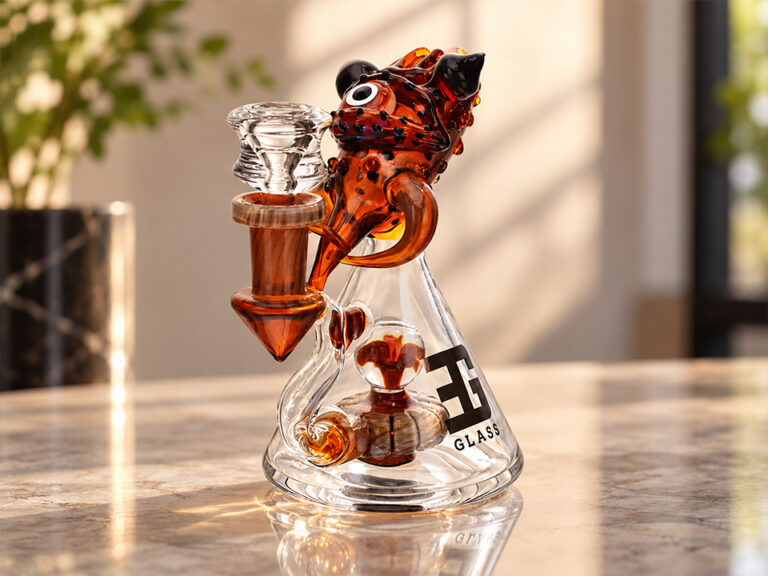
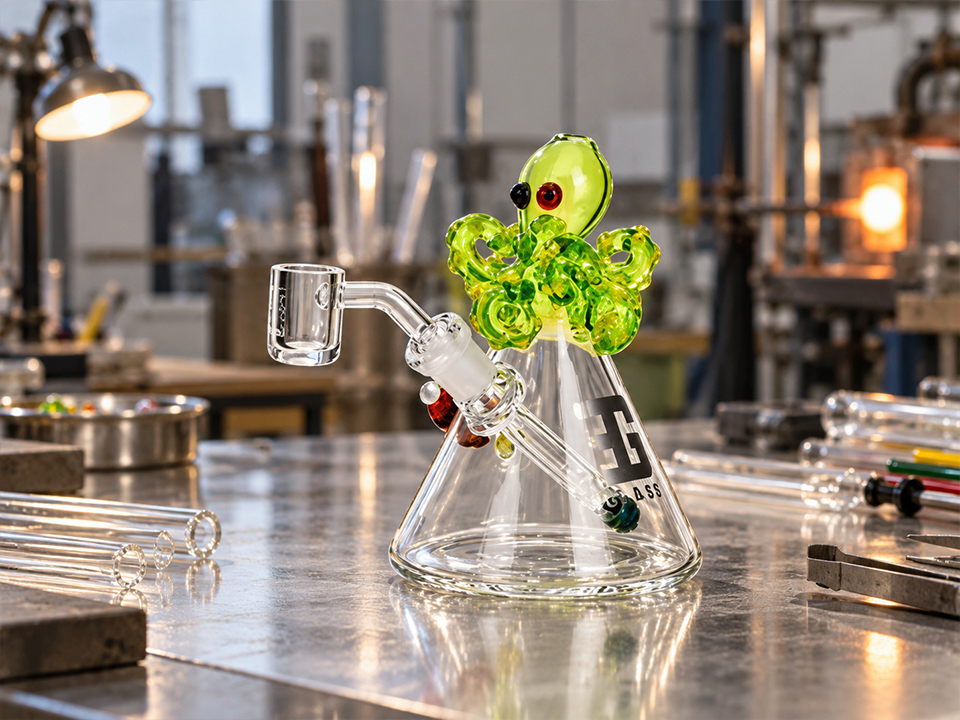
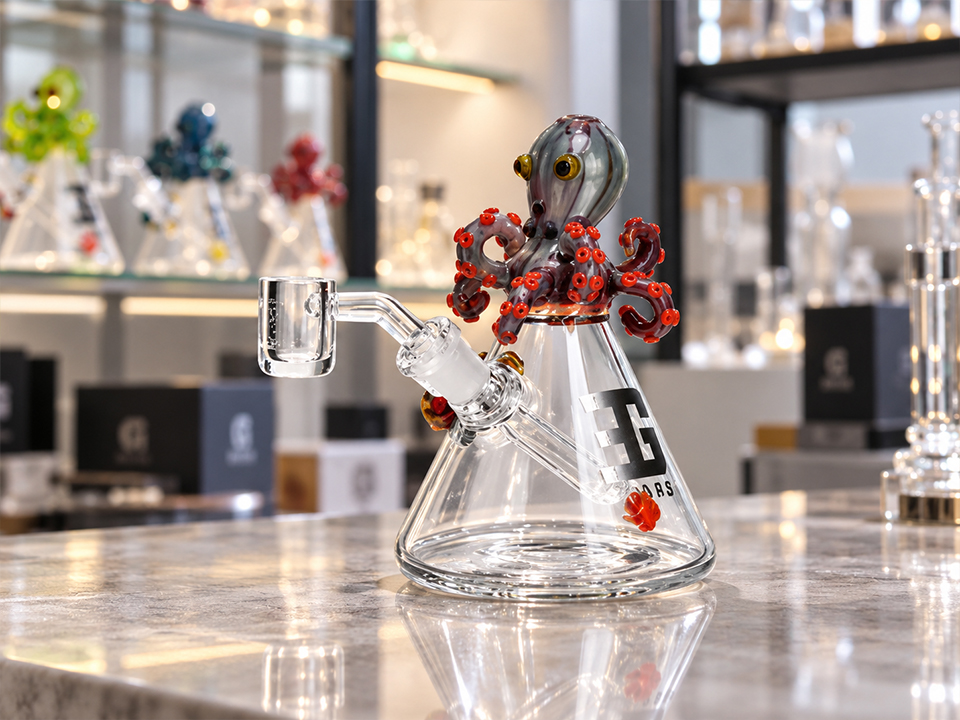
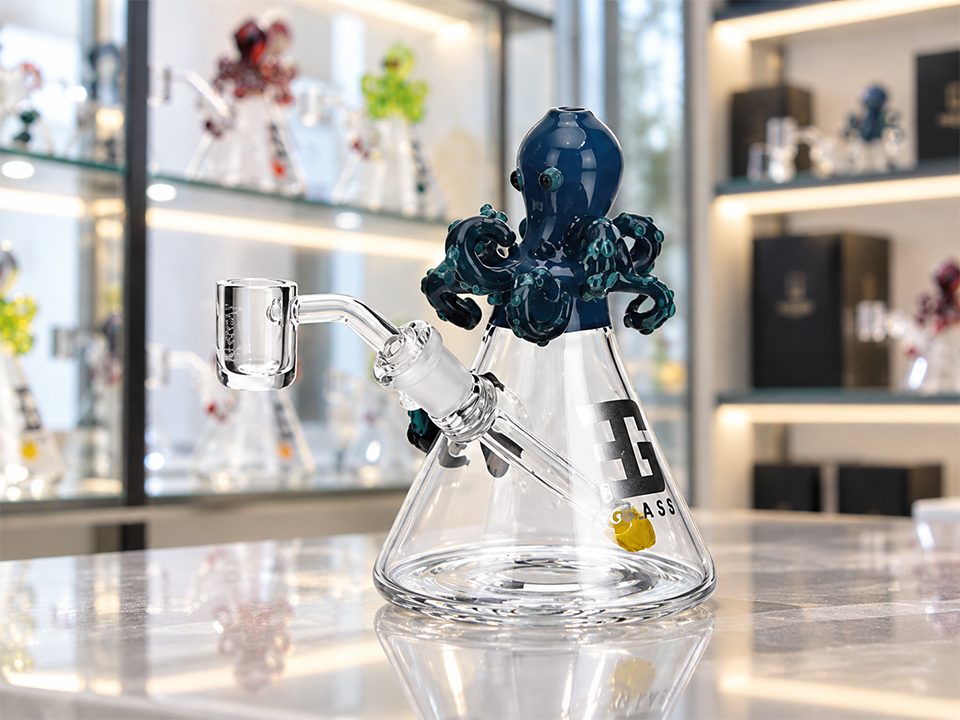
Novelty and artistic glass is harder to compare directly. A shopper looking at a mushroom hand pipe from the Rainbow Series or a fancy yellow duck hand pipe is often buying the design, not just the function. Detailed dab rigs work the same way, such as the ES24834 borosilicate rig with colorful character accents or the EG-60 reef rig with a sea life theme.
Direct competitors are less likely to carry the same piece, so day-to-day price swings matter less. A monthly check is usually enough. Do check that competitors aren’t selling a near-identical design for much less.
A Sample Monitoring Schedule
| Product tier | Examples | Check frequency |
|---|---|---|
| High-velocity accessories | Ash catchers, bowls, slides, basic hand pipes | Daily to every 3 days |
| Core mid-range | Straight tube bongs, standard rigs | Weekly |
| Premium and artistic | Novelty hand pipes, themed dab rigs | Every 2–4 weeks |
| Event-driven | Everything on promotion | Daily during the event window |
Treat this as a starting point and adjust it based on how your shop performs.
Triggers That Should Override Your Schedule
Some situations call for an immediate check, whatever the calendar says:
- Major sales periods. Competitors cut prices around 4/20, Black Friday, Cyber Monday, and the holiday season. Check daily in the week before and during these windows.
- Supplier cost changes. If your wholesale cost goes up or down, re-check the market before you change retail prices.
- A sudden drop in sales. If a steady seller stalls, a competitor price cut is one of the first things to rule out.
- New competitors. When a new shop or online store enters your market, benchmark its prices right away.
- Regulatory or tax changes. Rule changes in your area can shift pricing for everyone at once.
- New product launches. A new line or style from your own catalog needs a price check before you set its price.
How to Monitor Without Burning Hours
You don’t need an expensive system to start.
- Pick your competitor set. Track 5 to 10 competitors: your closest local rivals, the biggest online sellers, and one or two marketplace sellers.
- Start with your top 20 to 30 products. Your best sellers by revenue and volume matter most. Expand later.
- Use a simple spreadsheet. Record the product, competitor, price, date, and any shipping or free-shipping threshold. Capturing the shipping offer matters because a lower sticker price can be offset by shipping costs.
- Compare like with like. Match height, joint size, glass type, and brand. A 14mm rig and an 18mm rig at different prices aren’t a fair comparison.
- Set alert thresholds. Decide in advance what counts as worth acting on, such as a competitor undercutting you by more than 5 to 10%. This keeps you from reacting to every small move.
- Consider automation once you outgrow manual checks. Price-tracking tools can help if your catalog is large, but a disciplined spreadsheet works well for most small shops.
Common Mistakes to Avoid
- Chasing the lowest price on everything. A race to the bottom wrecks your margin. Match selectively on the items shoppers compare most.
- Ignoring total cost to the customer. Shipping, free-shipping thresholds, bundles, and returns policies all affect whether a competitor is truly cheaper.
- Checking too often on low-impact items. Daily checks on a niche piece that sells twice a month take time away from the products that matter.
- Checking too rarely during peak season. A monthly review misses short, aggressive promotions.
- Forgetting value-based pricing. Quality, craftsmanship, service, and selection justify a premium. Don’t treat the cheapest price as the only benchmark.
- Not logging your results. Without history, you can’t see patterns such as which competitors discount regularly and when.
Match Frequency to Your Shop Size
- Small independent shop: Check your top 10 to 15 items weekly and run a fuller review monthly.
- Mid-sized or multi-location retailer: Check high-velocity items every few days and the rest weekly, with an owner or manager reviewing the data.
- Online-first store: Check high-velocity and core items daily, since online shoppers compare prices constantly.
The Bottom Line
There’s no single right answer, but there is a right approach: monitor in proportion to how price-sensitive and how comparable each product is. Frequent checks on your commodity items, weekly checks on your staples, and slower checks on your distinctive pieces will keep you competitive without overwhelming your team.
Pair that cadence with triggers for sales events and cost changes, and you’ll make pricing decisions from data instead of guesswork.
FAQ
Is daily price monitoring necessary for every product? No. Daily checks make sense for your highest-volume, most comparable items. For most other products, weekly or monthly checks are enough.
How many competitors should I track? Five to ten is a good range. That covers your local rivals and the main online sellers without creating more data than you can use.
Should I always match a competitor’s lower price? Not automatically. Consider your margin, the exact product match, shipping costs, and your own value, such as service, selection, and speed. Match selectively on the items where price drives the sale.
How often should I change my prices? Only as often as the data supports. Adjusting too frequently can confuse repeat customers. Make changes when there’s a meaningful, sustained gap or a clear cost change.
Do artistic pieces need price monitoring? Yes, but less often. Check premium and novelty glass every few weeks, since fewer competitors carry the exact same design.