Free shipping in the U.S. for orders over $50
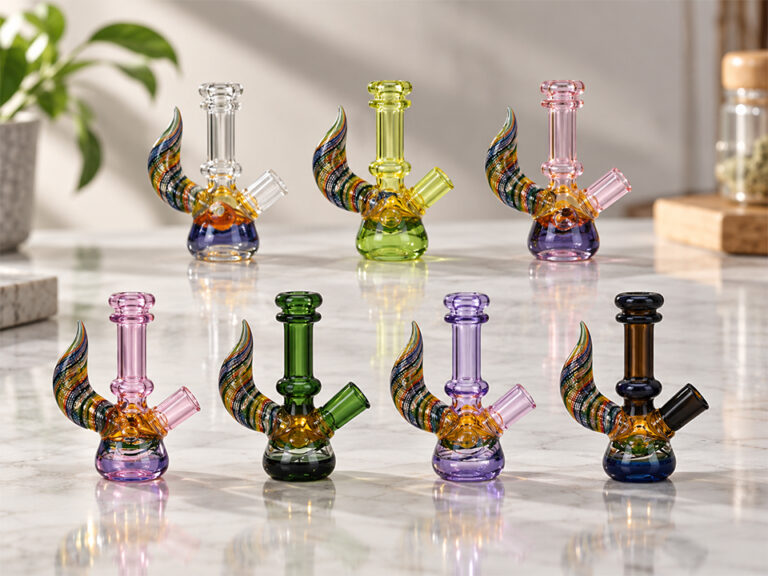
Find Your Perfect Bong: Style, Quality & Value
A wholesale guide to glass bongs: match styles to customers, judge glass quality, compare landed cost and carton data, and prepare an accurate RFQ.
Free shipping in the U.S. for orders over $50

A wholesale guide to glass bongs: match styles to customers, judge glass quality, compare landed cost and carton data, and prepare an accurate RFQ.
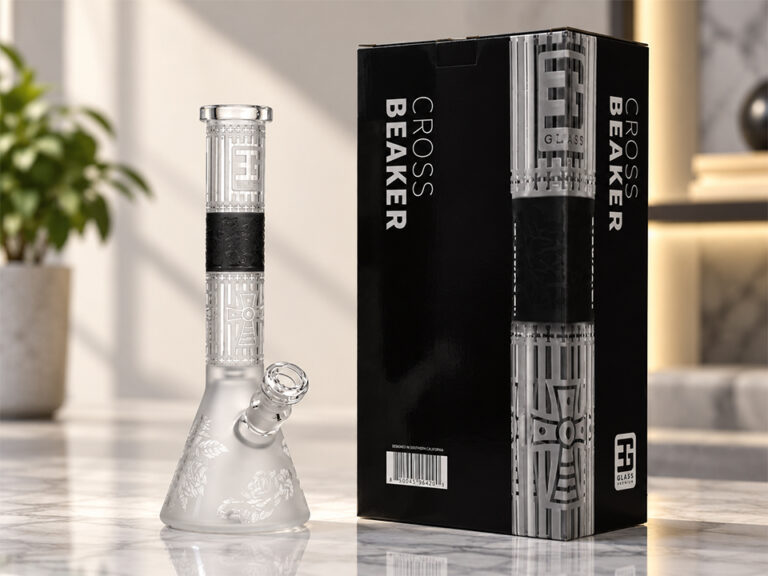
Why 18mm, 18.8mm and 19mm usually describe the same glass joint, how a 1:10 taper affects measurements, and which specs to confirm before ordering.
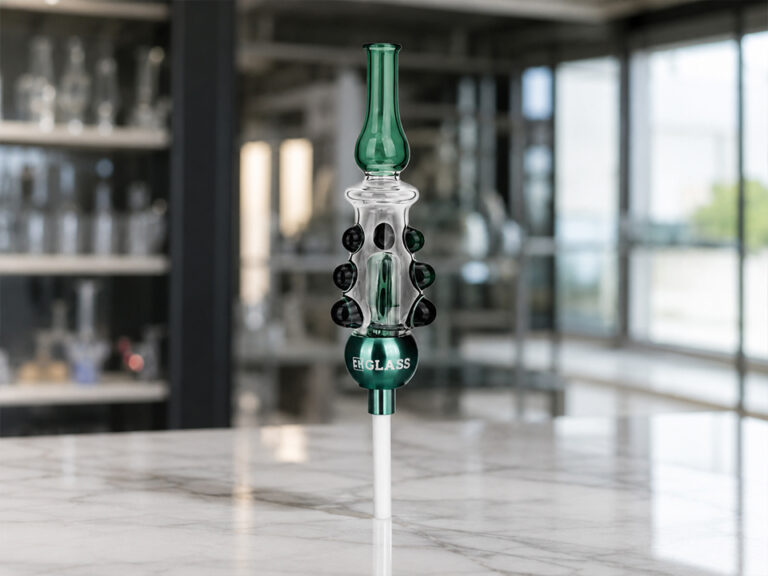
Mid-size bongs generally supply stores the toughest equilibrium of price, rack existence, handling, and wide customer allure. This acquiring overview discusses how to structure a dimension mix, measure real sell-through, and stay clear of connecting money up in oversized statement items.
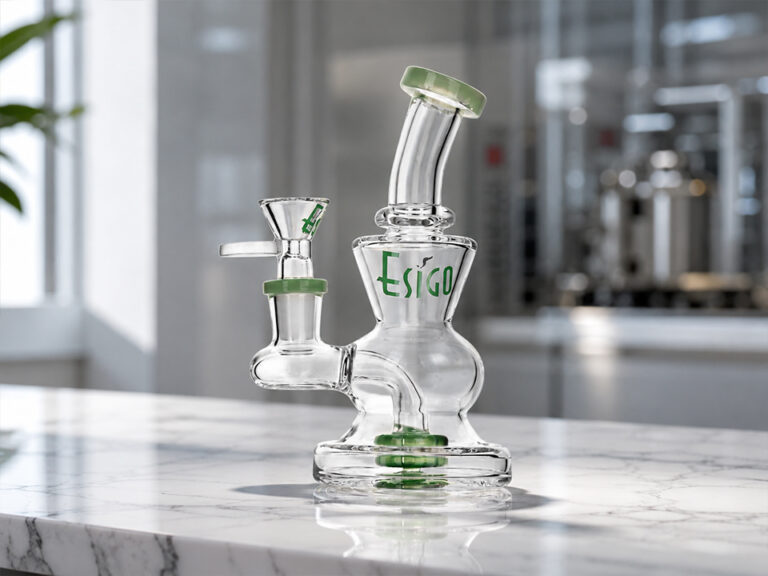
Tourist-market glass does well when consumers recognize its value within seconds. This guide explains exactly how merchants can balance cost, resilience, visual effect, portability, and profit when selecting economical glass wares.
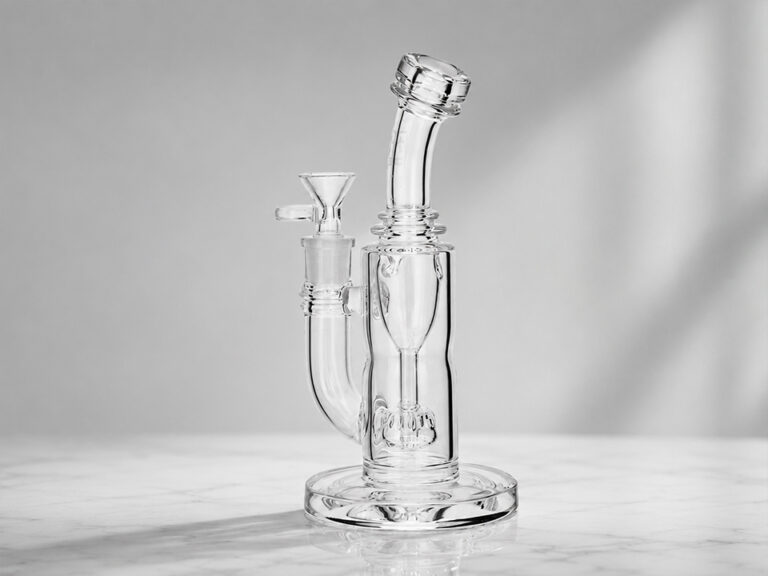
Inconsistent joint size labeling produces preventable compatibility problems, customer complaints, and costly returns for glass accessories. This overview discusses exactly how standard dimensions, accurate product summaries, and validated suitable requirements can boost buyer self-confidence and decrease post-purchase assistance.

Find out exactly how to establish stock turn over targets for smoke shop product groups, from glass hand pipelines and pipes to swab rigs and vape devices. Usage category-level criteria, gross margin analysis, and reorder guidelines to secure capital without lacking tried and tested vendors.

Compatibility errors often look like separated glass product issues, however the real failing normally begins at the user interface between elements. This article explains exactly how dimensional, thermal, useful, and product packaging mismatches become pricey returns-- and how buyers can detect them before shipment.

Clearing time should be measured as engineering data, not judged by eye or described with vague marketing language. This guide presents a repeatable bong and dab rig approval protocol covering airflow, chamber volume, pressure loss, splashback, glass integrity, and catalog accuracy.

Standard glass parts reduce ahead of time danger, but they can develop surprise setting up, performance, and branding costs. This guide explains just how to compare standard and personalized glass components making use of total price, tooling exposure, tolerance requirements, and sensible manufacturing lead times.

The majority of bong specification sheets are sales summaries wearing a technical costume. This guide recognizes the measurable fields wholesale buyers need to call for before authorizing glass bongs for manufacturing, import, or retail.

A 14mm glass joint is usually a small dimension, not an assurance that every point on the taper steps precisely 14.0 mm. This overview describes why vendors use 14mm, 14.4 mm, and 14.5 mm for apparently suitable installations-- and when those tags may hide a real inequality.

Bong base density matters, yet millimeters alone do not determine whether an item is stable or resilient. This overview establishes sensible specs making use of base geometry, weight distribution, annealing high quality, and repeatable damage screening.