Free shipping in the U.S. for orders over $50

How Many Bongs Should a Smoke Shop Buy for Opening Inventory?
For most new stores, I’d open with 24 to 48 bongs and water-pipe units total, because the first job of smoke shop inventory is not to impress your friends or your rep, it is to convert cash into repeatable sell-through without turning your front case into a glass museum full of dust, chips, and ego purchases. Why do so many owners still buy like the grand opening itself is the business model?
Demand is real. According to SAMHSA, 61.8 million people age 12+ used marijuana in the past year in 2023, and CDC still lists bongs or water pipes among common smoking methods, which means there is a real customer base for glass, but not an automatic excuse to stuff your opening wall with too many slow, fragile, high-ticket pieces.
Table of Contents
The hard truth about smoke shop opening inventory
It looks valuable on day one, and that illusion tricks new owners into thinking a fat first order signals seriousness, when in practice dead glass is just trapped money that cannot be used for wraps, disposables, grinders, cleaners, replacement bowls, payroll gaps, or the boring rent week that always shows up faster than expected. You want a showroom, or a business?
I’ve seen this movie before. Owners overbuy premium pieces, then spend the next 90 days discounting them while their actual fast movers were the compact, durable, mid-priced items sitting half-stocked because nobody left budget for duplicates.
And here is the industry backdrop that makes the mistake worse: Reuters noted in January 2024 that U.S. cannabis growth stayed sluggish in 2023, especially in mature markets dealing with oversupply, low prices, and grey-market competition, which is exactly why I would not build a new head shop inventory plan around fantasy demand.
My number for a standard opening: 24 to 48 pieces
If your shop is a normal neighborhood operation, not a destination warehouse, the opening buy should usually sit in this band: 18 to 24 pieces for a very small launch, 24 to 48 for a standard smoke shop, and 48 to 72 only if you already have heavy foot traffic, deep case space, and enough open-to-buy cash to survive a slow first quarter.
I think in layers, not in love. A smart smoke shop inventory list needs entry glass, mid-tier glass, and a few conversation pieces, but it does not need six versions of the same oversized tube in colors your local customer has never once asked for. So why stack the case like a trade-show booth?
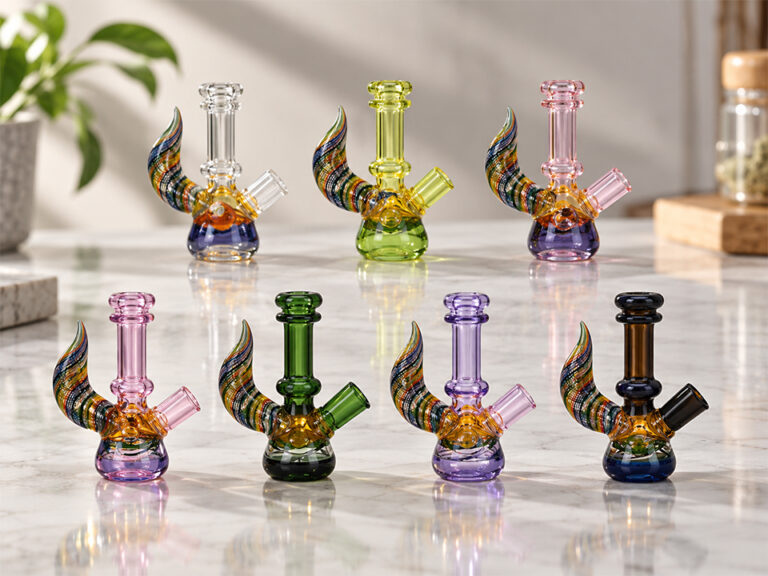
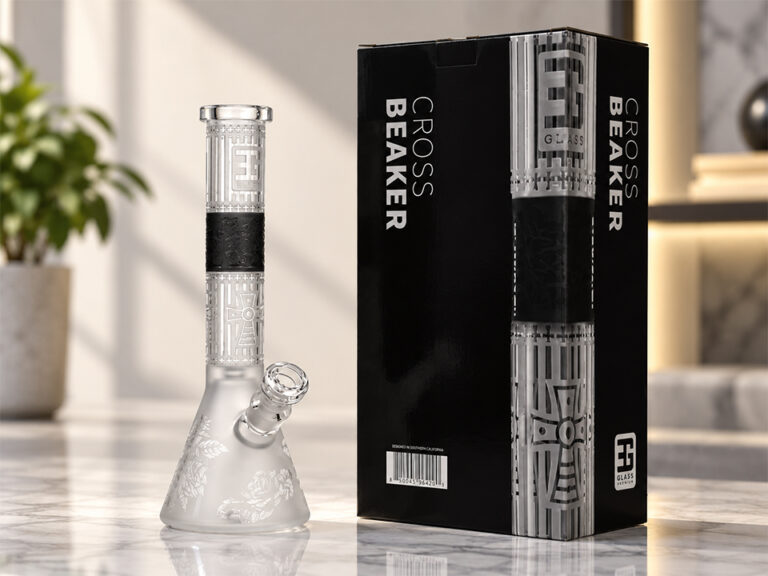
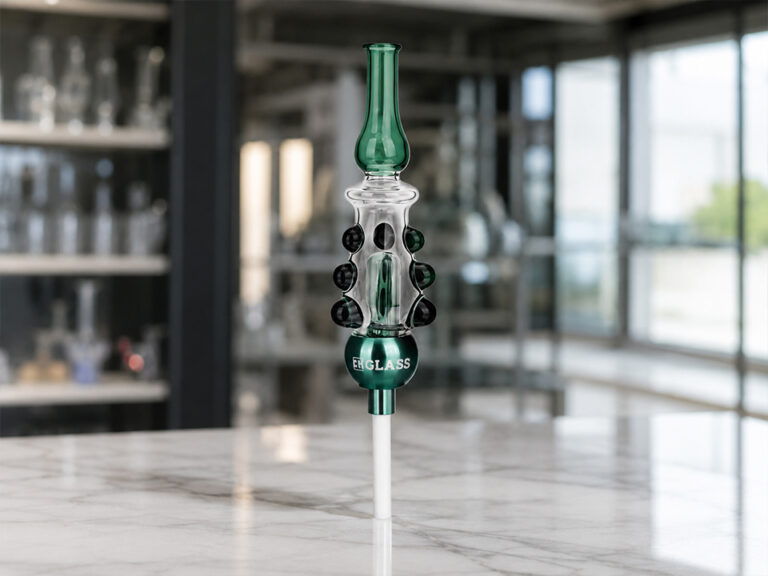
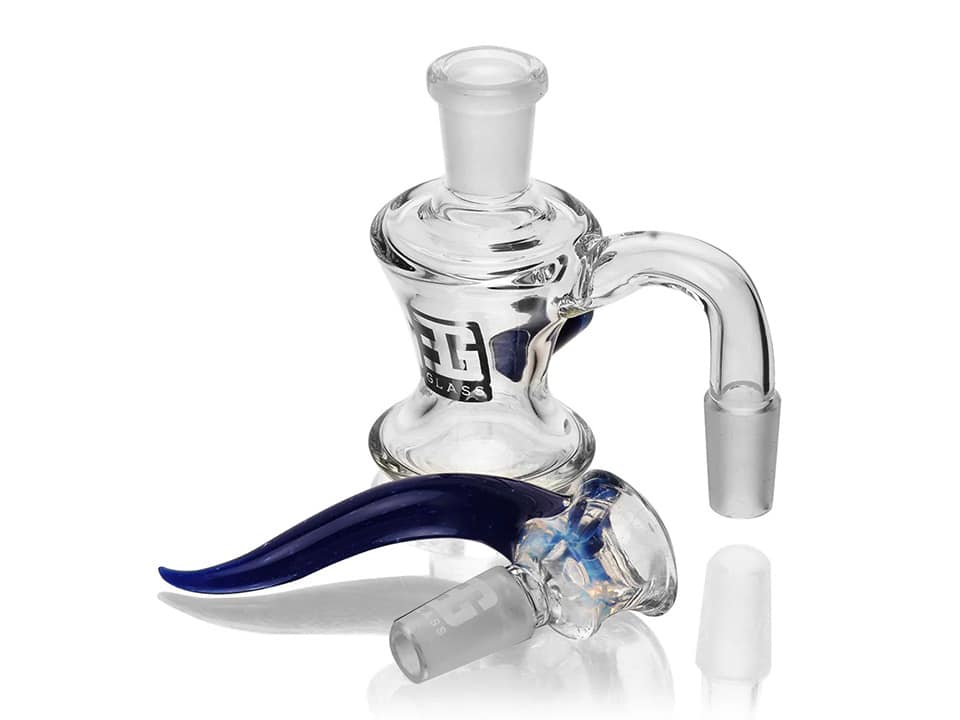
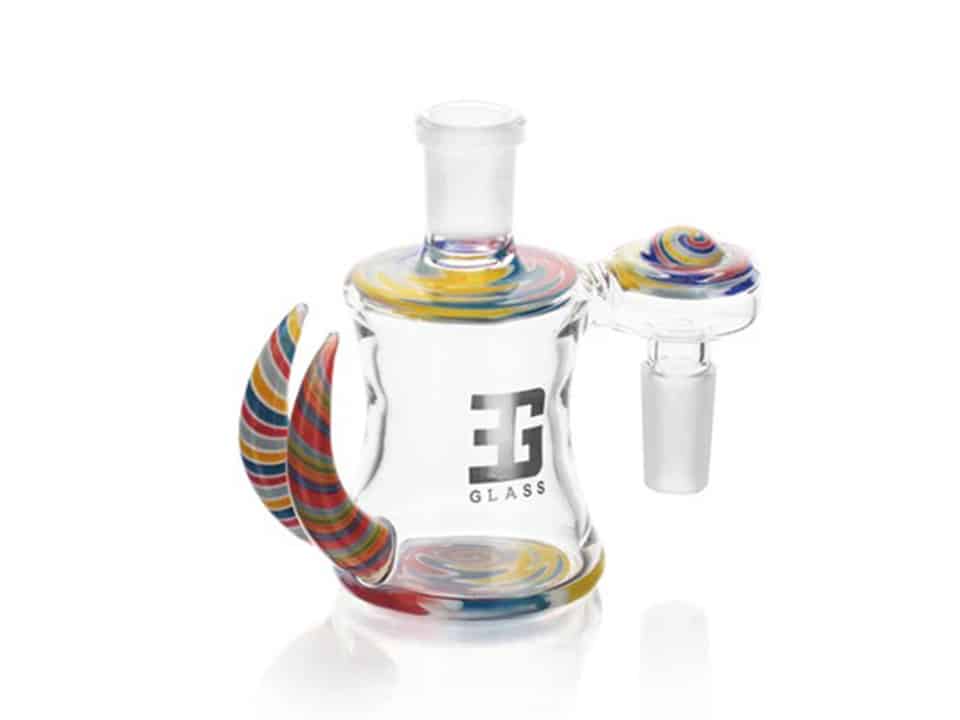
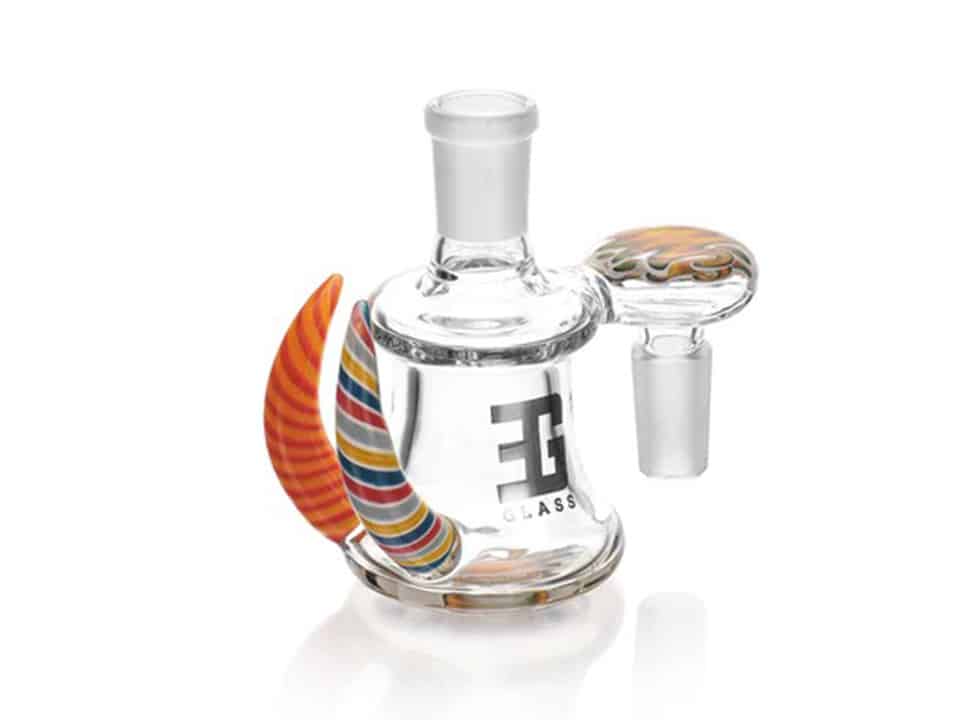
In practice, I’d mix bongs with rig-adjacent water pipes so the case feels wider than it really is. A compact 6.7-inch UFO dab rig gives you small-format energy, the ES24829 9.5-inch borosilicate rig fills the visual middle, the Horned Heirloom recycler glass water pipe gives you one sculptural talking point, and the ES2257 bent neck Klein oil rig gives the shelf height without forcing you into a huge premium bet. On the supplied product pages, those examples sit around $60.99, $65.99, $80.99, and $60.99 respectively, which is a decent reminder that perceived value in glass often comes from form and presentation as much as raw price.
Buy by price ladder, not by personal taste
This matters.
The best bongs for smoke shops are usually not the pieces the owner personally loves most, because retail is an ugly little truth machine that punishes vanity and rewards formats customers understand in five seconds from six feet away, especially when they are spending under pressure and comparing your wall to two other stores plus the internet. Would you rather be “curated,” or sold out?
My preferred opening split for wholesale bongs and wholesale water pipes is simple: 45% entry price, 40% mid-tier, 15% premium/showcase. Entry gets traffic. Mid-tier pays bills. Premium makes the case look serious and occasionally gives you a nice margin pop, but premium should never dominate a new smoke shop inventory build.
I also want shape discipline. Small compact units for impulse. Familiar silhouettes for mainstream buyers. One or two oddballs only. The mistake I hate most is buying twelve artistic pieces before the store has even learned whether its neighborhood buys clear borosilicate, color-heavy recyclers, or old-school straight tubes.
The compliance trap almost nobody budgets for
Here’s the bad news.
Federal law is still not written for your optimism, and 21 U.S.C. § 863 explicitly addresses drug paraphernalia, listing water pipes and bongs by name, while also noting that advertising, instructions, and the way items are displayed can matter in how products are judged; penalties can include fines, imprisonment, and forfeiture. That alone should tell every owner to treat product naming, signage, merchandising, and online copy with more discipline than this industry usually shows.
And state enforcement has not exactly been asleep. In late 2023, New York officials said enforcement teams had already conducted hundreds of regulatory inspections tied to illicit cannabis retail, and in April 2024 California announced action against illegal hemp products, warning that unlawful sales can lead to license consequences; at the same time, Reuters reported the U.S. Justice Department only moved toward rescheduling marijuana in April 2024, which is not the same thing as a magic erase button for store-level risk.
So my rule is boring and profitable: buy clean accessory inventory, avoid sketchy side bets, train staff to stop making wild verbal claims, and build your opening order around defensible product categories you can stand behind.
CDC adds one more reason to keep staff language clean: smoked cannabis can harm lung tissue regardless of how it is smoked, including through bongs and water pipes. Sell products. Don’t sell fairy tales.
What a smart smoke shop inventory list looks like on day one
I want numbers.
Here’s the version I’d actually use before opening, assuming this is glass inventory only and not your full store buy:
| Store Type | Opening Bong/Water-Pipe Units | Price Mix | Duplicate Strategy | Estimated Opening Glass Budget |
|---|---|---|---|---|
| Small neighborhood launch | 18-24 | 50% entry / 35% mid / 15% premium | Duplicate only 1-2 proven small formats | $1,200-$1,800 |
| Standard smoke shop | 30-42 | 45% entry / 40% mid / 15% premium | Duplicate 2-3 likely winners | $2,000-$3,600 |
| High-traffic destination shop | 48-72 | 40% entry / 40% mid / 20% premium | Duplicate 4-6 top SKUs only | $4,000-$7,500 |
Those budget bands are planning numbers, not commandments. But the logic holds: buy shallow, show variety, and let reorders earn the right to exist.
The reorder rule that saves cash
Earn the second case.
I do not like deep opening inventory for glass because you do not know your true color preference, size preference, theft rate, breakage rate, or neighborhood taste until actual customers start voting with money, and until then every extra unit is just a guess wrapped in bubble pack. Why pay tuition twice?
My standard trigger is simple. Reorder a SKU only after it proves movement, and scale depth only after a tier has shown real velocity for 30 to 45 days. A new smoke shop inventory plan should be humble enough to learn.
FAQs
How many bongs should a new smoke shop buy?
A new smoke shop should usually open with 24 to 48 bongs and water pipes, because that range gives enough visible choice across entry, mid, and premium tiers without freezing too much cash in fragile, slow-moving stock before the store has real sales data.
If the shop is tiny, 18 to 24 is often enough. If it is a destination store with real traffic, 48 to 72 can work, but only when cash reserves are healthy.
What are the best bongs for smoke shops?
The best bongs for smoke shops are durable borosilicate pieces in proven sizes and familiar shapes, supported by a few eye-catching premium units, because most stores make their money from accessible, easy-to-understand glass that sells steadily rather than from rare showpieces that impress browsers and stall at checkout.
I prefer a mix of compact impulse-friendly rigs, one strong mid-tier shelf, and just a handful of standout recyclers or taller display pieces.
Should a head shop inventory focus on bongs or dab rigs first?
A head shop inventory should usually focus first on the formats its local customer can buy confidently and repeatedly, which often means a blend of classic bongs, compact rigs, and mid-priced water pipes rather than an all-in bet on one style before real traffic patterns are known.
That is why I like mixing shelf roles. A small rig pulls impulse attention, mid-size glass pays bills, and one premium piece gives the case authority.
How often should I reorder wholesale bongs?
Wholesale bongs should be reordered after proven sell-through, not because the shelf looks emotionally incomplete, because early reorders based on anxiety are one of the fastest ways to bloat inventory and crush open-to-buy flexibility in a new store.
In plain English: let the first order teach you something. Then reorder the winners, not the owner’s favorites.
The hard truth is simple. If your opening smoke shop inventory is heavy on unproven glass, you are probably buying stress, not growth.
Build the first order lean. Let real customers decide what deserves more shelf space. And if you want a clean first glass assortment, start with a tight mix that covers compact, mid-tier, and showcase formats through pieces like the 6.7-inch UFO dab rig, the ES24829 9.5-inch borosilicate rig, the Horned Heirloom recycler water pipe, and the ES2257 bent neck Klein rig.