Free shipping in the U.S. for orders over $50

OEM vs ODM: Which Private-Label Glass Model Fits Your Brand?
Most founders hesitate. And I get it, because “OEM vs ODM” sounds like factory jargon until you realize it decides who controls the design, who owns the margin story, and who gets trapped selling the same borosilicate shape as five louder competitors. So what are you really buying here?
Private label is bigger now. Reuters reported that private-label products reached a record 31.5% of Italian retailers’ revenue in 2023, up from 30.4% in 2022 and 28.3% in 2019, which tells me the old reflex of “customers only trust legacy brands” is getting weaker, not stronger.
My blunt view: if the factory owns the base design, the production know-how, the carton spec, and the speed advantage, while you contribute little more than a logo, you do not own a brand moat. You own a temporary listing. How long do you think that lasts?
Table of Contents
Most brands ask the wrong first question
They ask about MOQ. They ask about unit price. They ask whether the supplier can “do private label,” which is such a loose question that half the industry can answer yes without promising anything that actually protects you.
The first question should be uglier: who owns the product logic after the first successful run? If the answer is “the factory, mostly,” you are in ODM territory whether the sales rep admits it or not. If the answer is “we do, and it is written into the drawings, molds, tolerances, packaging, and exclusivity language,” you are getting closer to real OEM.
And here is the hard truth I have seen too many times: suppliers often market ODM as OEM because brands love the word “custom” and hate paying for what real customization costs. That is why founders wake up six months later and discover the same chamber profile, neck angle, or colorway sitting in a rival catalog with a different decal.

OEM buys control; ODM rents speed
Speed wins attention. When a brand needs to test demand fast, seed wholesale accounts, and avoid tooling costs, ODM feels rational because the factory already has a proven base platform, a sample history, and production rhythm. But rational for launch is not always rational for year two, when copycat pressure starts eating your gross margin.
In functional borosilicate glass, ODM makes sense when your offer is close to catalog retailing: maybe you want quick-turn variants of an 11-inch matrix perc bubbler design or an 8.5-inch borosilicate dab oil rig profile, and your real edge is sales execution, packaging, or channel reach rather than shape ownership.
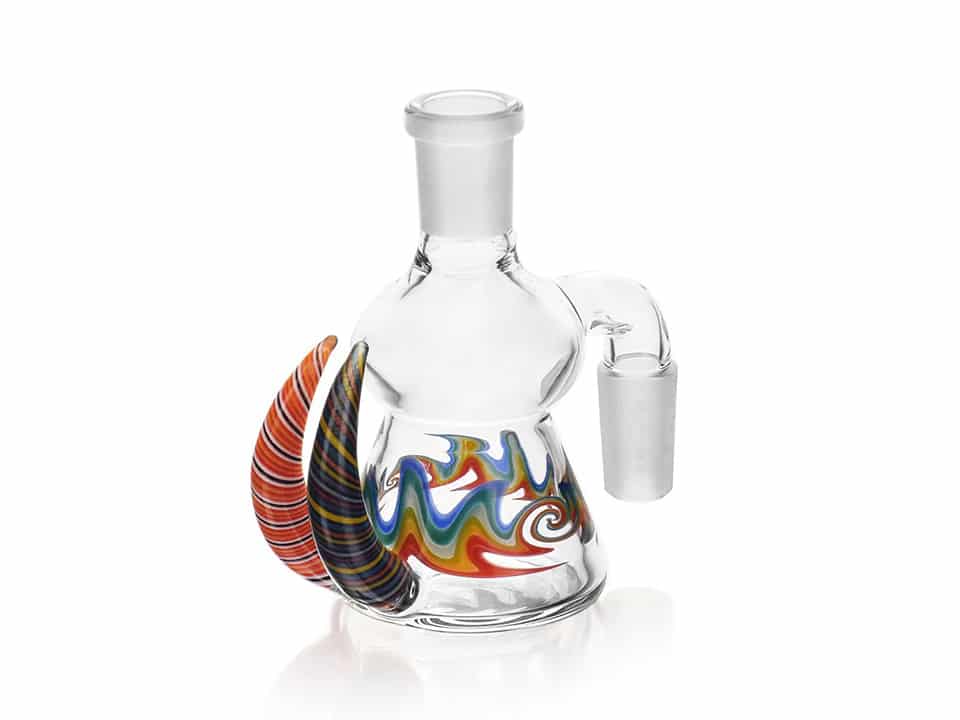
But once your brand starts leaning on recognizable form, you are no longer buying inventory. You are buying identity. A solid cactus curve borosilicate rig silhouette or a colorful winged one-piece glass concept only helps you if customers associate that look with your brand rather than with a supplier’s reusable catalog.
My rule is simple: ODM is fine for demand discovery; OEM is better for brand memory. Why pretend those are the same thing?
Why ODM looks cheap until the real bill arrives
The invoice lies. Not because the supplier is always dishonest, but because the cheapest unit price is rarely the cheapest commercial model once you count duplication risk, weaker exclusivity, softer QC control, and the probability that your “custom” best-seller will appear elsewhere wearing someone else’s logo.
That risk is not theoretical. U.S. Customs and Border Protection said it seized 19,724 shipments containing goods that violated intellectual property rights in FY2023; the fake-goods MSRP, had the products been genuine, was over $2.7 billion, and China plus Hong Kong accounted for 84% of seized MSRP and 90% of total quantity. Anyone telling you IP leakage is a fringe issue in private-label consumer goods is ignoring the seizure data.
And then there is the supply-chain problem that too many brands treat like someone else’s scandal. In June 2024, an Italian Dior unit was placed under court administration after a probe alleged subcontracted suppliers mistreated workers; Reuters reported court records saying some bags were produced by a supplier at about 1/50 of retail price. Different category, same lesson: once you let opaque subcontracting sit inside your margin structure, you are exposed whether you manufacture handbags or borosilicate glass.
So yes, ODM gets you to market faster. It also gives you less control over what happens after the PO is cut. Worth it?
Where OEM hurts, and why that pain is useful
OEM is slower. OEM is more expensive up front. OEM usually forces tougher conversations about tooling, sampling loops, defect tolerances, packaging failure rates, and who pays when the third revision still misses your draw resistance, balance, or finish expectations.
Good. That friction is useful.
When I see a brand willing to define wall-thickness ranges, annealing expectations, color consistency, logo placement tolerance, carton drop standards, and mold ownership in writing, I know they are behaving like an operator rather than a tourist. And operators usually build the better business because they are buying repeatability, not just pieces.
There is another reason I lean OEM for any brand with long-term ambition: legal leverage. In June 2023, the U.S. Supreme Court tossed a $96 million trademark award in the Abitron-Hetronic dispute and narrowed the foreign reach of U.S. trademark law, which is a very polite judicial way of saying that offshore copycat fights can get messy fast. If your protection strategy starts after the problem appears, you are already late.
The decision is less philosophical than people think
You can usually settle this in one meeting. If your hero SKU is mainly a fast-moving catalog derivative, if you still do not know which shapes convert best, and if cash discipline matters more than distinctiveness, ODM is the honest answer.
If, however, your sales pitch depends on a recognizable silhouette, better functional consistency, exclusive mold geometry, or the ability to tell retailers and end buyers that your product is not the same chassis everybody else is passing around, then OEM is not luxury spending. It is brand defense.
Here is the version nobody puts in the sales brochure: OEM protects future pricing; ODM protects present cash. Pick the pain you can survive.
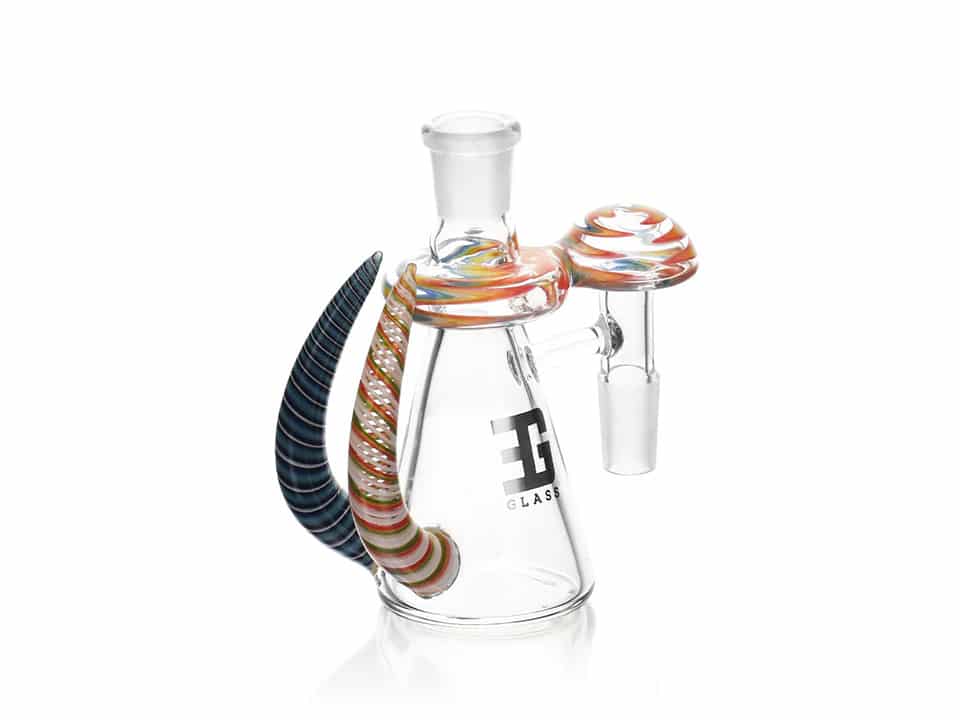
A blunt comparison
| Decision Factor | OEM | ODM | My Take |
|---|---|---|---|
| Product design ownership | Higher control, often negotiable in writing | Factory-led base design | OEM wins if identity matters |
| Time to market | Slower sampling and validation | Faster launch from existing platform | ODM wins for testing demand |
| Upfront cost | Higher due to development and tooling | Lower initial cash burden | ODM is easier on early cash |
| Exclusivity potential | Better, if molds/specs are contractually locked | Weaker, because platforms are often reusable | OEM is safer for hero SKUs |
| QC control | Tighter when tolerances are brand-defined | More limited to existing factory standards | OEM helps when returns hurt margin |
| Copycat risk | Lower if contracts and tooling are solid | Higher, especially with semi-custom catalog items | ODM is riskier than it looks |
| Best fit | Brands building long-term differentiation | Brands validating market demand quickly | Start ODM only if you plan an OEM path |
The supplier checklist nobody should skip
Ask for documents. Not vibes.
You need sample approval records, revision-controlled drawings, tooling ownership language, subcontractor disclosure, defect thresholds, remake terms, and written exclusivity boundaries by region and by SKU family. If a supplier says “trust us, we are flexible,” I hear, “we prefer ambiguity because ambiguity is profitable.”
And ambiguity gets expensive. Fast.
FAQs
What is OEM in private-label glass?
OEM in private-label glass means the factory manufactures to your product brief, dimensions, functional requirements, packaging standards, and branding while you direct the specification and usually negotiate control over molds, exclusivity, or intellectual-property terms, making it the better model for brands that want defensible differentiation. After that definition, the practical test is simple: if the factory can show your drawings, approved samples, tolerances, and ownership clauses, you are dealing with something close to real OEM.
What is ODM in private-label glass?
ODM in private-label glass means the factory starts with an existing design platform, then lets you apply limited changes such as logo placement, color, finish, packaging, and minor geometry edits, which makes it faster and cheaper to launch but weaker at preventing lookalike products. In plain English, you are customizing around someone else’s base idea, not building your own from zero.
Which model is better for a new private-label glass brand?
The better model for a new brand depends on whether you are testing demand or defending identity: ODM is better for low-risk market entry and faster sampling, while OEM is better when your margin story relies on a unique shape, performance spec, or protected design language. I would use ODM for early data and OEM for the product I expect competitors to notice.
How can I tell whether a supplier calling itself OEM is actually OEM?
A factory is acting as a real OEM partner when it can document your tooling ownership, revision-controlled drawings, approved samples, QC tolerances, subcontractor rules, and exclusivity terms instead of merely offering a catalog item with a printed logo and calling that customization. If those documents do not exist, the “OEM” label is probably sales copy.
Is ODM always the wrong choice for borosilicate glass brands?
ODM is not the wrong choice when the goal is fast market entry, lower upfront investment, and quick iteration on proven shapes, especially for brands still learning which chamber styles, perc formats, or aesthetic themes buyers actually reorder. It becomes the wrong choice when you mistake operational convenience for brand equity.
If you are deciding this quarter, ask one brutal question: if your logo disappeared tomorrow, would the product still look like yours? If the answer is no, stop romanticizing cheap speed. Push toward OEM, get mold ownership and subcontractor terms in writing, and build a private-label glass line that competitors cannot clone by next month.