Free shipping in the U.S. for orders over $50

Recommend Adapters and Bangers for Dual-Use Glass Correctly
Most setups fail. Buyers keep getting sold the fantasy that dab rig adapters are basically universal, when the ugly truth is that one wrong call on 10mm vs 14mm vs 18mm, male vs female, or 45° vs 90° turns a clean dual-use build into a crooked, heat-stressed mess that either tips, clogs, or looks ridiculous on the table. Why pretend otherwise?
I’ve watched this category for years, and the hard truth is simple: bad accessory advice is usually not an inventory problem, it’s a language problem. Sellers hide behind vague phrases like “fits most” or “works with many rigs,” even though federal law still treats paraphernalia language seriously in interstate commerce, and even though the legal-commercial environment around cannabis remains uneven despite 2024 rescheduling moves that did not legalize marijuana outright. That is exactly why “dual-use glass” copy has to be precise, not slippery.
And the market is not small. Reuters reported that by late 2024, recreational cannabis was legal in 24 states, medical cannabis in 40, and market forecasts put U.S. sales near $40 billion by year-end; meanwhile, SAMHSA’s 2024 NSDUH found that 17.0% of past-year marijuana users dabbed waxes, shatter, or concentrates, rising to 24.2% among adults ages 18 to 25. So yes, adapter accuracy matters because this is no longer fringe behavior hidden in a basement forum thread.
Table of Contents
The industry lie is “universal fit”
Universal is lazy. A dual-use glass adapter has one job—convert a fixed joint architecture into a safe, stable connection for either a bowl or a quartz banger—and it can only do that correctly when three variables are matched in order: joint size, joint gender, and joint angle. Miss one, and you are not “close”; you are wrong.
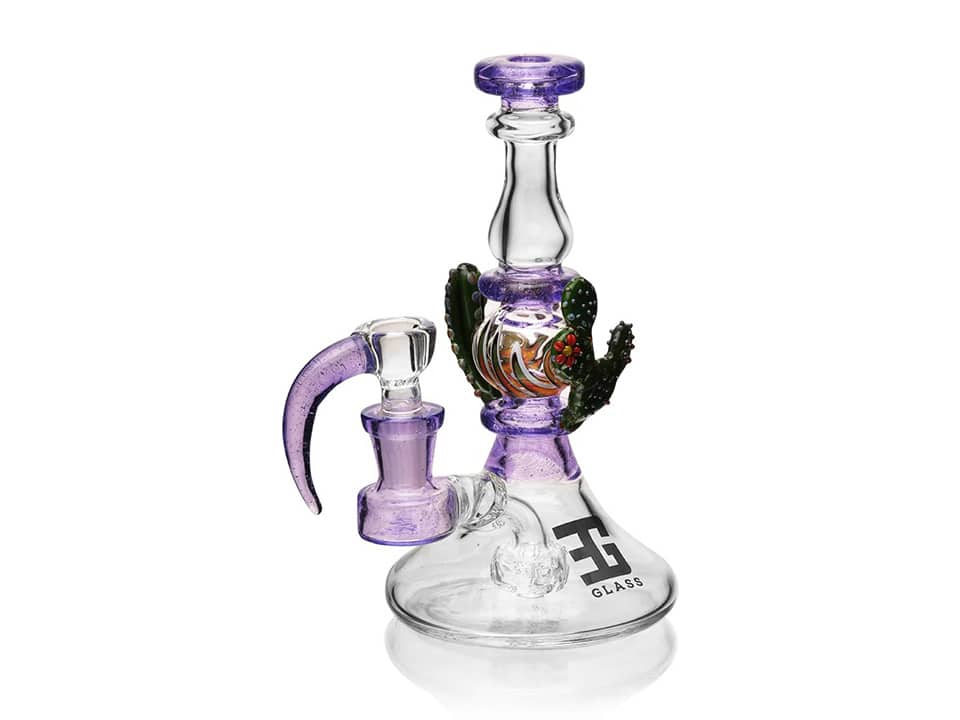
Here’s my opinion, and I know some shops hate hearing it: the body dictates the accessory, not the other way around. If the tube is already telling you the joint spec, believe the tube. The 12-inch clear circle-splash straight tube is a perfect example because the product itself spells out an 18mm downstem and 14mm bowl interface, which immediately narrows the adapter and bowl logic instead of leaving you to guess from a glamour photo.
Start with the glass body, not the quartz banger
This is where I get blunt. People obsess over bucket width, terp pearls, and wall thickness before they even confirm whether the host piece is a beaker, a straight tube, or a compact rig with a short center of gravity. That is backwards.
A short, concentrate-first chassis usually wants less leverage and less nonsense hanging off the side. The EG-84 mini dab oil rig sits at 4.1 inches, weighs 88g, uses borosilicate construction, and is already framed as a compact one-piece rig, which makes it a better candidate for a tight, low-profile quartz setup than for stacking extra adapter height just because a catalog says “dual-use.”
A beaker is different. The EG-76 fumed beaker bong is 7.5 inches, 300g, borosilicate, and built around a broad beaker base with an angled downstem and detachable bowl, so it gives you more forgiveness for a flower-first build that occasionally swaps into concentrates with the right bong and dab rig adapter. That extra stability matters more than people admit.
My matching system for dab rig adapters that actually works
I use a boring system because boring saves money.
First, lock the size. In this niche, 10mm is usually the small, specialized lane; 14mm is the everyday workhorse; 18mm is the larger-format body that often steps down through a downstem or adapter. Second, lock the gender. A male joint needs a female receiving end; a female joint needs a male insert. Third, lock the angle. A 90° quartz banger on a piece built around a 45° sidecar posture is the kind of mistake that makes buyers think the accessory is defective when the real problem is geometry.
Then I ask one more question: is this glass flower-first or concentrate-first? If it is flower-first, I want the conversion path to be short, easy to reverse, and cleanable. If it is concentrate-first, I want the banger seated as low and as close to the centerline as possible, because a top-heavy setup is not “premium,” it is just waiting to chip.
| Glass setup | Native use bias | Adapter call | Better banger choice | Why I’d choose it |
|---|---|---|---|---|
| Compact mini rig | Concentrate-first | Avoid tall stackers; use the shortest correct-size converter only if needed | Smaller quartz banger with modest bucket | Keeps heat low and balance centered |
| 7.5-inch beaker | Flower-first hybrid | Step only once, ideally size or gender, not both plus angle | Medium bucket quartz banger | Stable base tolerates occasional switching |
| 12-inch straight tube | Flower-first but upgradeable | Respect the stated 18mm/14mm joint logic before buying anything | 14mm-compatible banger path | Product specs already narrow the fit decision |
| Shared daily driver with messy concentrates | Mixed use | Add a reclaim catcher adapter only if cleaning frequency justifies it | Standard bucket, not oversized | Reduces residue in the main body without overcomplicating airflow |
The quartz banger is not just a heat tool
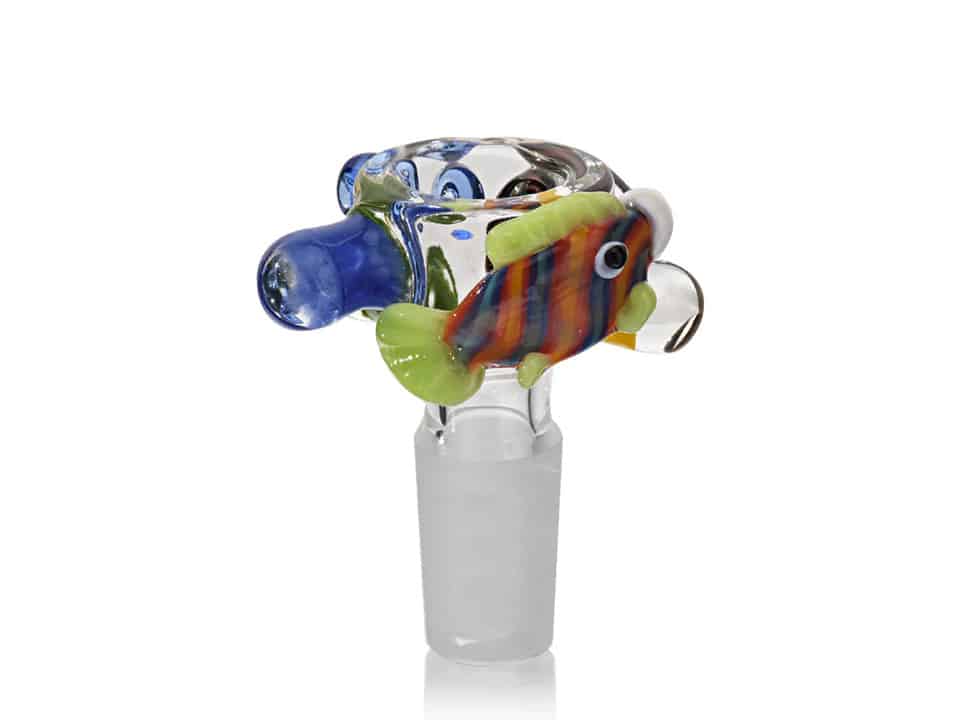
This part gets ignored. Quartz is not magic, and a quartz banger that is too large for the rig body or too heavy for the joint is a performance problem before it becomes a cleaning problem.
NIH’s NIDA noted in 2024 that cannabis flower and concentrates in dispensaries can exceed 40% THC, which is exactly why I think oversized bangers are often a dumb flex on small dual-use glass. Higher-potency material does not automatically require a huge bucket; often it requires better heat discipline, cleaner airflow, and less reclaim drag. Bigger is not smarter here. (National Institute on Drug Abuse)
And there’s another piece people dodge: if dabbing already represents a meaningful share of use behavior, especially among younger adult consumers, then the buying guide has to stop sounding like generic smoke-shop filler and start sounding like engineering. That means saying “14mm male-to-female adapter” when that is what the setup needs, not “premium attachment solution” because somebody in marketing got nervous.
The internal product pairings that make sense
I would build the cleanest concentrate-first option around the mini borosilicate dab oil rig and keep the quartz banger compact. Not flashy advice. Good advice. On a 4.1-inch body, every extra gram and every extra centimeter of leverage matters, so I would avoid turning that rig into an adapter tower. (BuyEGGlass)
For a flower-led dual-use setup, I like the logic of pairing the fumed borosilicate beaker bong with a reversible adapter path and then keeping a dedicated 14mm temple-handle borosilicate bowl slide on hand for the switch back to flower. The reason is not style, though the style helps; it is that the bowl is clearly specified at 14mm, which kills ambiguity before it kills conversion.
If the shopper wants a taller tube with more visual clearance and a more obvious joint map, the 12-inch thick clear straight tube is easier to recommend than many vague “hybrid” listings because the page names the joint configuration directly: 18mm downstem and 14mm bong bowl. That sort of transparency is what I trust. Everything else is marketing perfume.
FAQs
What is a dab rig adapter?
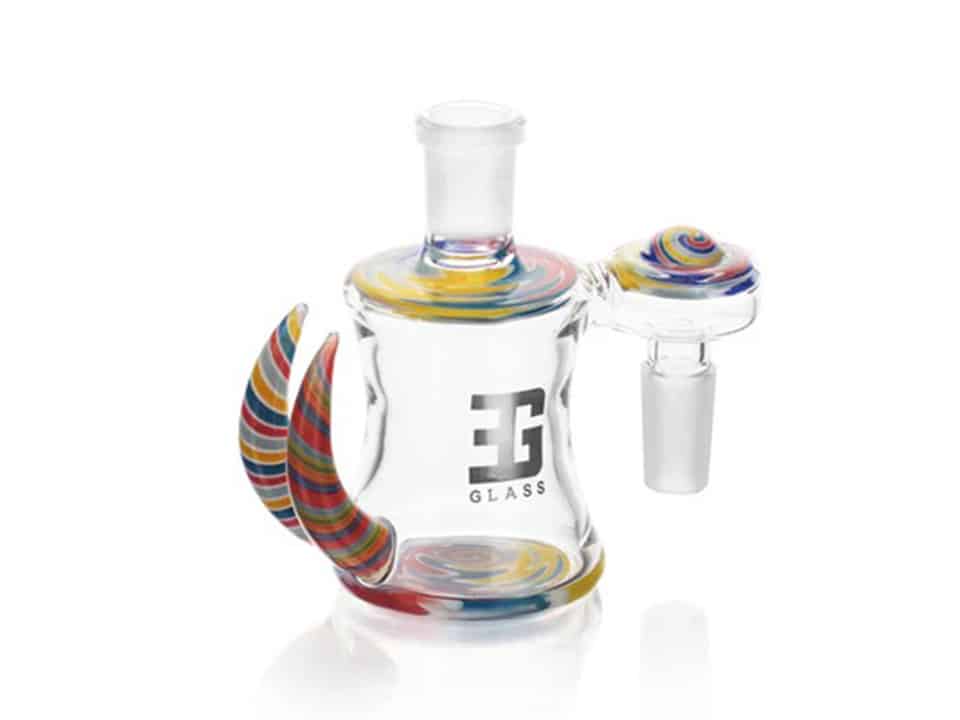
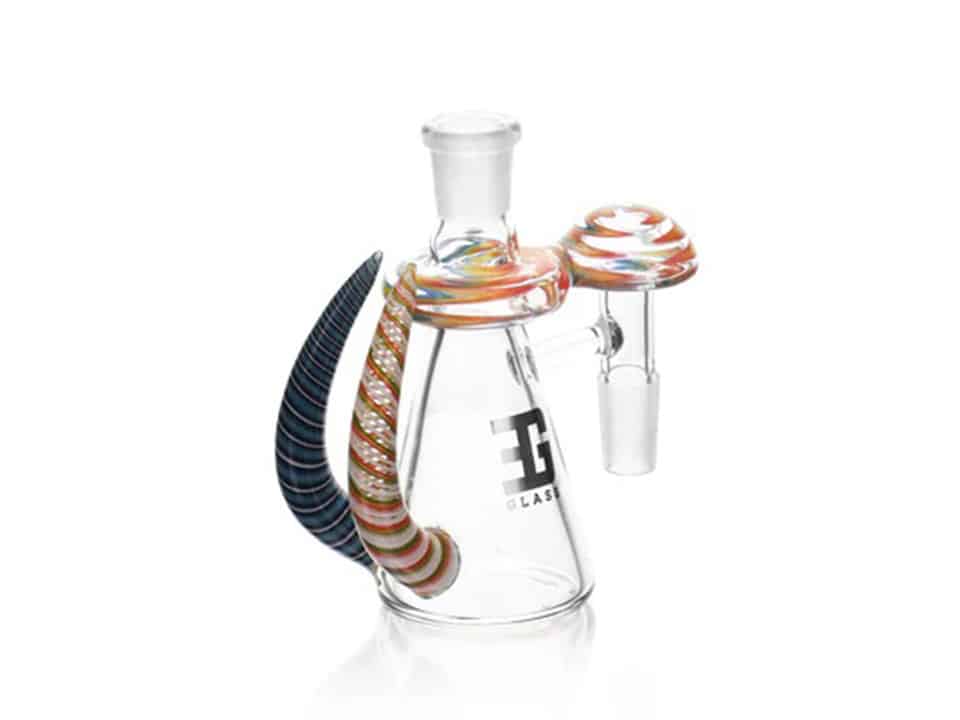
A dab rig adapter is a precision glass connector that changes joint size, joint gender, or joint angle so one water piece can correctly accept either a flower bowl or a quartz banger without forcing the fit, stressing the weld, or creating an unstable, top-heavy setup.
That is why the best dab rig adapter is never “the fanciest one.” It is the one that solves exactly one compatibility problem and no more.
How do I know whether I need a 10mm, 14mm, or 18mm connection?
Joint size is the standardized diameter of the glass connection point, and the right size is determined by the host piece first, not by the accessory you hope to use; 14mm is the most common daily-driver size, while 10mm and 18mm usually signal smaller specialty builds or larger-format bodies.
I tell buyers to inspect the body, then the downstem, then the accessory. Never reverse that order. That is how bad carts get built.
Can one bong really be used for both flower and concentrates?
A dual-use glass setup is a water pipe system engineered to switch between a bowl for flower and a quartz banger for concentrates by preserving correct joint size, gender, and angle so airflow, stability, and heat placement stay controlled during both kinds of sessions.
Yes, it can work. But only when the conversion is disciplined. If you need three adapters and a prayer, the glass was not meant to do both.
What size quartz banger should I buy for dual-use glass?
The right quartz banger size is the smallest bucket and correct joint configuration that matches the host glass without adding unnecessary weight, leverage, or heat exposure, because the goal in a dual-use build is balance, seal quality, and repeatable airflow rather than oversized hardware that looks impressive in a photo.
My rule is simple: size for the rig, not for your ego. Small body, smaller banger. Stable beaker, medium is fine. Unknown joint? Stop and measure first.
Conclusion
If you are serious about selling or buying dual-use glass correctly, stop treating adapters like filler accessories. Build from the joint outward, use the body specs already on the page, and match the banger to the rig’s geometry instead of chasing whatever looks expensive. That is how you recommend dab rig adapters without sounding vague, and how you keep buyers from making the same avoidable mistake twice.