Free shipping in the U.S. for orders over $50

Best Bong Assortments for Medical Cannabis Retail Programs
I frankly believe most dispensary buyers wreck this category before the first unit even lands because they chase eye candy, ignore turn rates, skip the boring-but-profitable core, and then act stunned when the smoke wall turns into a graveyard of over-perced shelf candy that looked clever in a vendor deck and looked dead six weeks later on a peg.
It happens.
But that’s the business, isn’t it? Somebody always wants the weird recycler, the heady silhouette, the “premium” stack with too many chambers, and nobody wants to admit the ugly part: medical retail is less forgiving than lifestyle retail, because patients don’t browse forever and staff usually don’t have ten spare minutes to explain why a hard-to-clean tube with a finicky perc somehow deserves prime real estate.
Table of Contents
The market got bigger. The buying got sloppier
And here’s the ugly truth: growth papers over bad buying for a while, then exposes it all at once. New Jersey’s 2024 annual report said the state opened 123 medicinal and adult-use cannabis businesses in 2024 and hit $2.01 billion in gross sales; Pennsylvania said more than $5.8 billion in medical marijuana products had been dispensed through about 42 million dispensing events by March 1, 2024; New York, meanwhile, said only 32 medical cannabis dispensaries were operating as of December 31, 2024, which is another way of saying access is still patchy and every in-store decision has to work harder.
So, no, I don’t buy the lazy argument that accessories are “just add-ons.” That’s outsider talk. Inside the store, accessories are basket builders, margin balancers, and staff-conversation starters. When the assortment is sharp, attachment rate climbs. When the wall is full of random glass water pipes with no logic—wrong heights, awkward joints, too much fragile diffusion, no price ladder—you feel it immediately in stagnant facings and ugly OTB decisions.
What should actually be on the wall?
Start simple.
From my experience reading too many assortments that try to do too much, the best bong assortment for dispensaries has four jobs and only four: convert the hesitant first-time buyer, upgrade the everyday flower user, catch the concentrate customer before they leave for a specialty shop, and hold one or two “stop-and-stare” pieces that make the wall feel curated rather than warehouse-dumped.
Yet buyers still overcomplicate it. Why?
Because “variety” sounds sophisticated. It isn’t. Variety without logic is just inventory drag wearing nicer clothes.
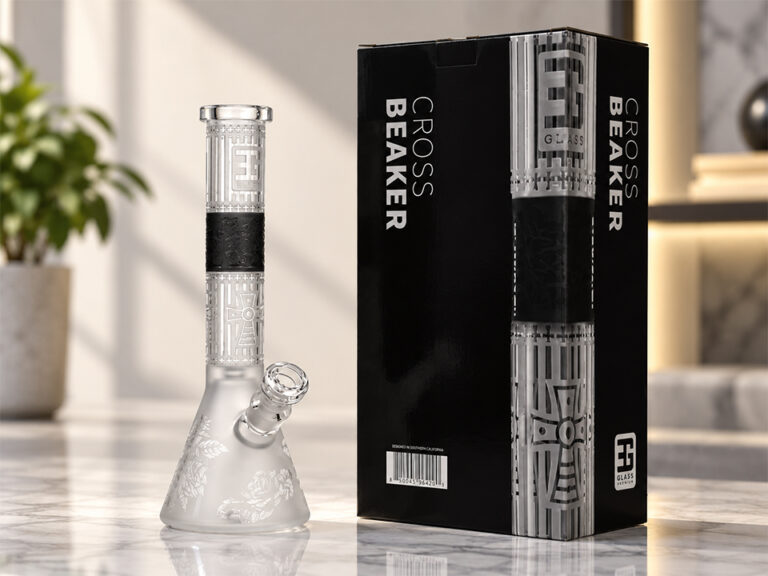
The first slot should be dull in the best possible way. A 12-inch clear beaker bong with 9mm glass is exactly the kind of piece that keeps a program honest: 12-inch height, 9mm glass, an 18mm downstem with a 14mm bowl, and a base shape that doesn’t scare cautious buyers or stressed-out budtenders. That’s not sexy. It sells.
Then you need the mid-shelf earner—the piece that lets staff say, “This is the cleaner hit, better cooling, still not a nightmare to own.” That’s why the 18-inch inline perc straight tube bong works inside a medical-heavy program: 18 inches, borosilicate, 18mm joint, enough visible function to justify a step-up purchase, but not so much perc-stack nonsense that the customer starts mentally pricing breakage and cleanup before they hit checkout.
Flower-only thinking is how you lose the second sale
This part matters.
A surprising number of retailers still build their dispensary supplies around flower habits and treat concentrates like a side quest, which is odd, because even a modest concentrate shopper can be a much higher-value accessories customer if the entry point makes sense and the staff doesn’t bungle the handoff.
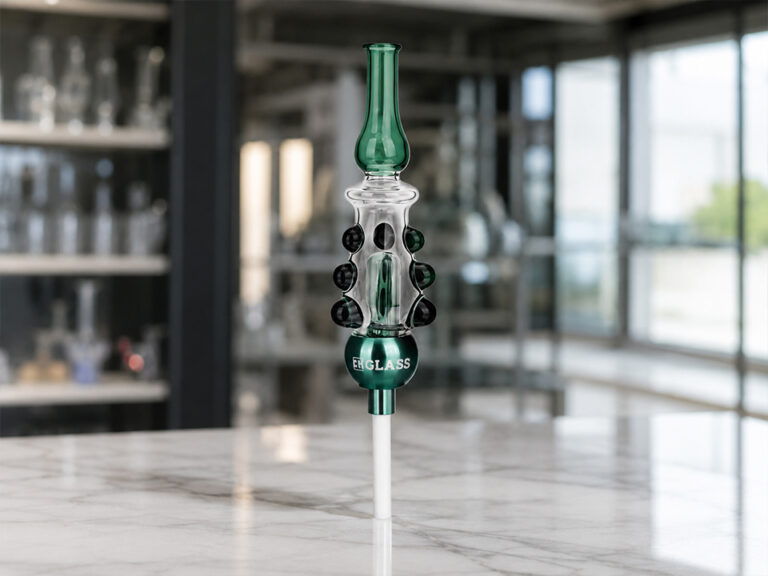
I’d rather see a clean, intentional rig lineup than a bloated wall of generic tubes. The compact 8.6-inch borosilicate dab rig at $73.99 is the kind of compact option that feels giftable and shelf-efficient, the 9-inch bent-neck splash perc rig at $50.99 covers the customer who wants splash control and simple ergonomics, and the 9.5-inch double UFO perc rig at $56.99 gives you a feature-forward step-up without drifting into custom-glass fantasy pricing. That trio tells a coherent story. Random rigs don’t.
And then—yes—one oddball.
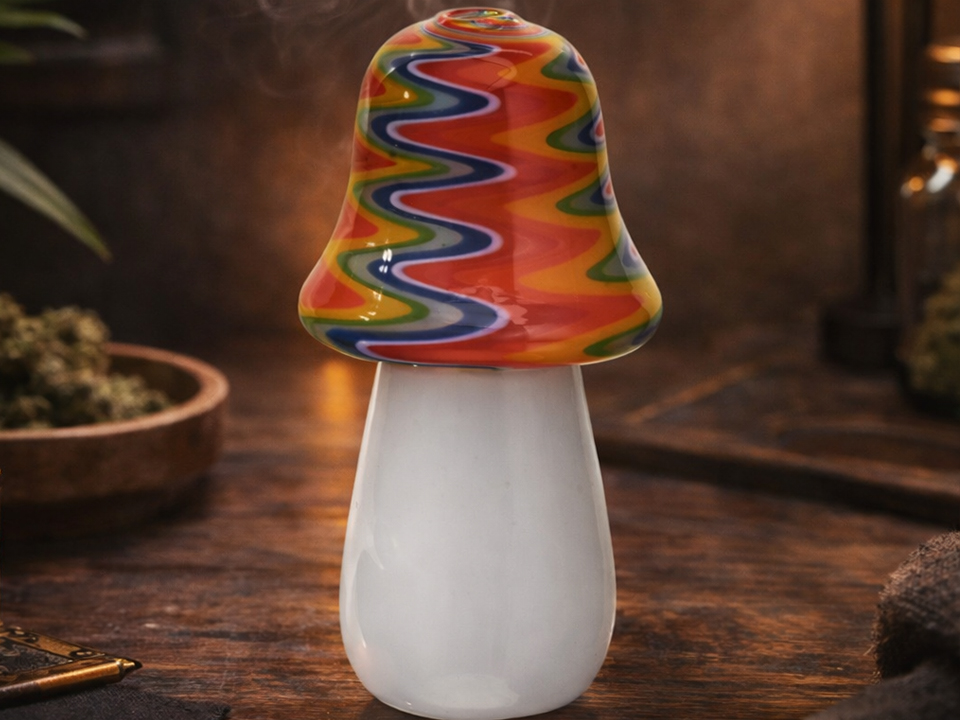
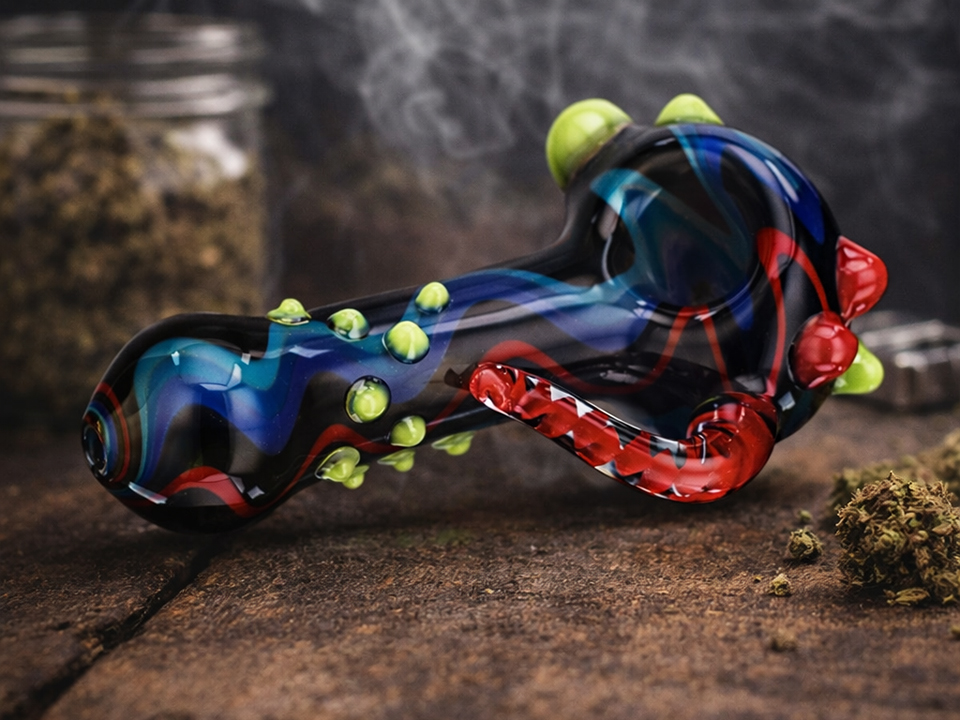
I’m not against flair. I’m against overbuying flair. The Big Eye Octopus Head borosilicate dab rig is exactly where novelty belongs: one slot, light depth, high curiosity, low dependence. At 5.7 inches and $76.99, it’s not the engine of the category; it’s the piece that stops people mid-walk, makes the wall feel alive, and maybe lifts the average basket when handled by staff who know when to pitch whimsy and when to shut up.
The compliance mess changes the math, whether buyers admit it or not
Still messy.
Reuters was blunt in 2024: even if marijuana moves from Schedule I to Schedule III, that doesn’t magically erase the Controlled Substances Act problem, and the practical near-term upside for state-legal operators is tied heavily to Section 280E tax treatment rather than some instant federal cleanup. In regular language, stores still need categories that turn, margins that hold, and purchases that don’t trap cash. That’s why wholesale smoking accessories can’t be bought like vanity inventory.
And I’ll say the part vendors rarely say out loud: most stores don’t need more SKUs. They need fewer bad ones. If your smoke wall looks “deep” but half of it has weak velocity, you haven’t built optionality—you’ve built a storage problem. In New York, where the state itself said only 32 medical dispensaries were operating at the end of 2024, every display inch has to justify itself harder than the average pitch deck admits.
The assortment logic buyers should use instead of guessing
Here’s the structure. Not glamorous. Very effective.
| Assortment role | Recommended format | Example spec | Suggested retail band | Share of open-to-buy | Why it belongs |
|---|---|---|---|---|---|
| Entry anchor | Beaker bong | 12″, 9mm, 18mm downstem / 14mm bowl | $50-$65 | 40% | Stable, easy to explain, easy to clean, broad first-time appeal |
| Core upgrade | Straight tube bong | 18″, inline perc, 18mm joint | $65-$85 | 30% | Better cooling, stronger perceived value, still staff-friendly |
| Concentrate bridge | Compact dab rig | 8.6″-9″, 14mm joint | $50-$75 | 15% | Adds concentrate coverage without bloating complexity |
| Functional premium | Perc-forward dab rig | 9″-9.5″, splash perc or UFO perc | $55-$80 | 10% | Higher feature count for upsell without custom-glass pricing |
| Visual magnet | Artistic novelty rig | 5.7″ sculptural borosilicate rig | $70-$80 | 5% | Stops traffic, supports gifting and impulse interest |
Would I change those percentages sometimes? Sure. If your door mix skews heavily to concentrate users, I’d push rigs from 15% to 20% or even 25%. If your staff is green and your attach rate is soft, I’d cut the complex-perc exposure even harder. But the ladder stays the ladder: entry, upgrade, concentrate bridge, premium flex. Break that sequence and you’ll feel it in slow turns almost immediately.
What buyers get wrong about “premium”
Premium isn’t complexity.
That’s the trap. Retailers see more chambers, more glasswork, more visual chaos—and they assume the piece deserves more facings. I don’t. I’d rather bet on borosilicate durability, clean joint standards, stable bases, and easy staff talk tracks than on a perc stack that looks like a science-fair project. Patients and practical shoppers notice friction fast. They may not say it. They still feel it.
But there’s another layer here. Medical cannabis accessories should reduce decision fatigue, not add to it. A wall that moves is usually a wall that makes sense in under fifteen seconds: one everyday beaker, one straightforward straight tube, two or three concentrate options, and one novelty piece with attitude. The second you start stocking like a headshop trying to impress Instagram, you’re not curating—you’re freelancing with somebody else’s cash.
FAQs
What is a bong assortment for dispensaries?
A bong assortment for dispensaries is a planned mix of entry, mid-tier, and premium glass pieces across sizes, bases, joint standards, and use cases that is designed to improve sell-through, support staff education, protect margin, and meet both flower and concentrate demand inside a regulated retail program. In real store terms, it’s a price ladder and use-case ladder built on purpose, not a random pile of tubes, rigs, and novelty glass.
How do medical cannabis retail programs choose wholesale bongs?
Medical cannabis retail programs choose wholesale bongs by matching stability, cleanability, joint size, price band, and patient use case to actual store traffic rather than vendor hype, novelty appeal, or one-off personal taste. I’d start with beakers and straight tubes, layer in compact rigs, then keep any heady or overbuilt pieces on a very short leash unless the staff can truly sell them.
What are the best bongs for dispensaries to stock first?
The best bongs for dispensaries to stock first are durable borosilicate beakers, straightforward straight tubes, and one or two compact concentrate rigs that cover beginner and repeat-buyer behavior without turning the wall into a maintenance seminar. Put differently: stock the pieces that are stable, understandable, cleanable, and easy for budtenders to demo in one breath, then earn the right to add stranger glass later.
Why do wholesale smoking accessories underperform in some stores?
Wholesale smoking accessories underperform when the assortment is too fragile, too complicated, too expensive for the local basket profile, or too disconnected from how patients actually shop in-store. Here’s the ugly truth: stores often blame traffic, seasonality, or “education gaps” when the real problem is simpler—they bought too many vanity SKUs, skipped a usable price ladder, and buried the items that should’ve done the heavy lifting.
If you want this category to stop acting like decorative filler and start behaving like a real margin engine, trim the deadweight, protect the ladder, and make every SKU earn its peg. That’s the whole trick. Usually.