Free shipping in the U.S. for orders over $50

Downstem and Bowl Maintenance Guides for Better Compatibility
Most people blame the glass, which is funny, because after years of watching buyers complain about a “bad fit” that magically disappears the second the ground joint gets de-gunked, the bowl gets cleared, and somebody finally checks whether they bought 14mm instead of 18mm, I frankly believe the industry has trained people to shop by aesthetics first and measurements last. Bad habit. Expensive one.
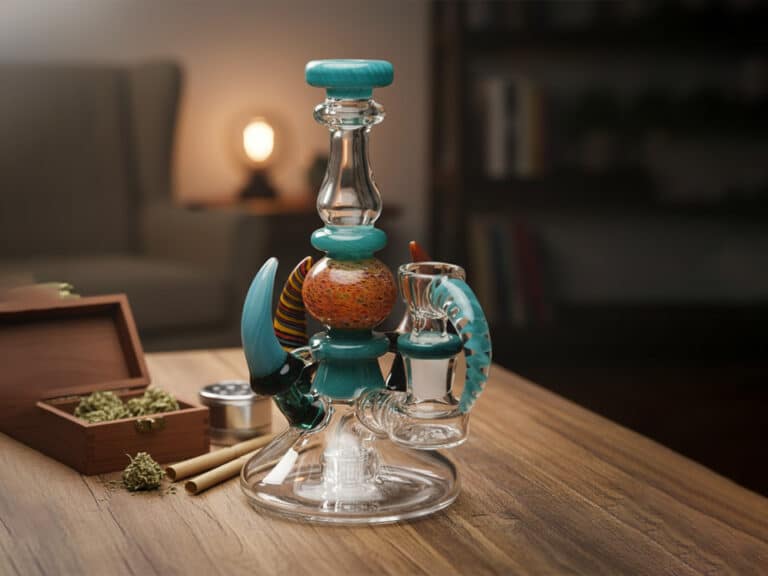
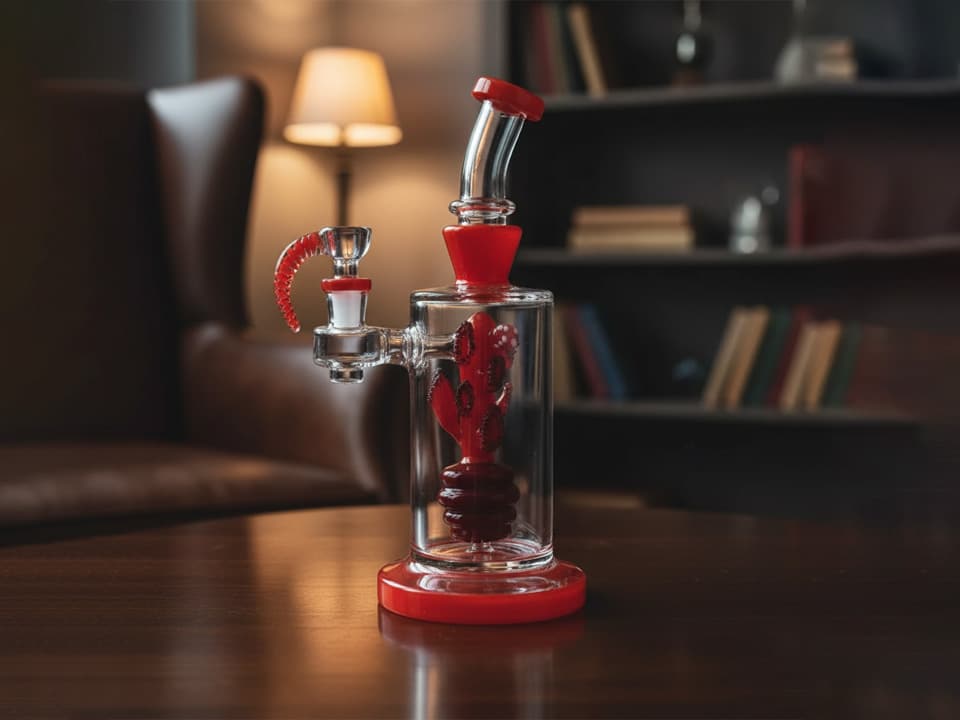
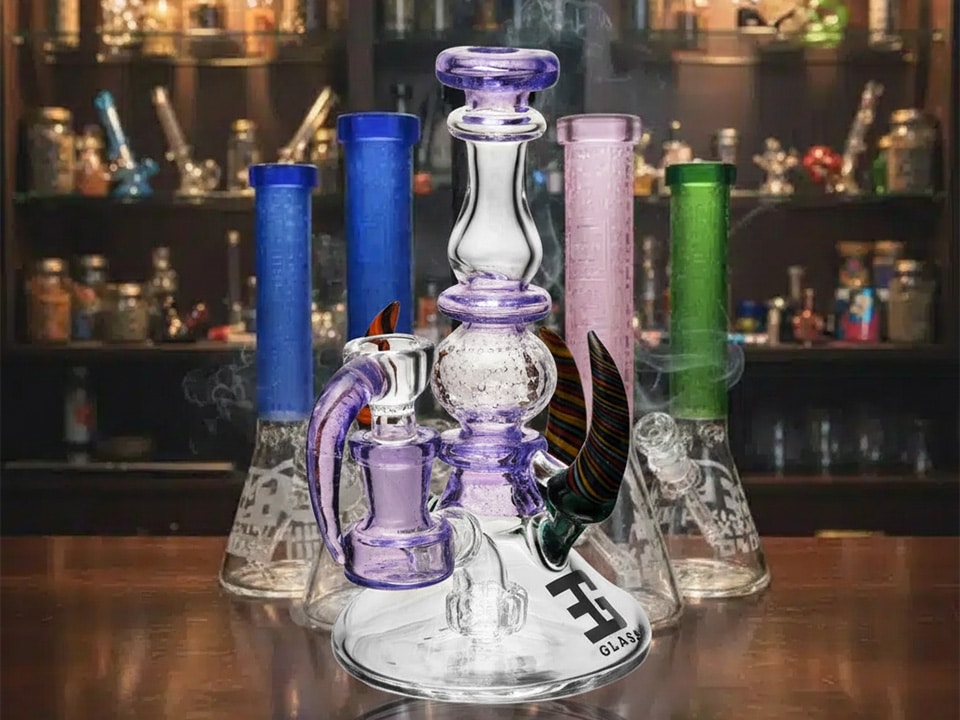
And your own catalog gives the game away. The EG-89 spinning spaceship borosilicate dab rig is 14mm at $64.99 and 10.5 inches, the EG-97 Swiss perc bent neck dab rig is 14mm at $68.99 and 8.5 inches, the 10-inch borosilicate concentrate rig is 14mm, the ES24833 8.6-inch borosilicate rig is 14mm at $73.99, and the spinning NBA jersey borosilicate dab rig is 14mm at $69.99 and 10.83 inches. So, no, I wouldn’t build this page around vague “universal compatibility” fluff. I’d build it around 14mm reality. That’s what the inventory says.
Table of Contents
The compatibility myth is mostly user error
But here’s the ugly truth: “compatibility” gets used like a magic word in this niche when what people usually mean is one of four much less glamorous problems—wrong joint size, wrong joint gender, wrong usable downstem length, or resin sludge on the taper turning a normal seal into a sticky, wobbly mess. That’s it. Mostly.
From my experience, people ignore the boring part because it sounds too simple. Measure the joint in millimeters. Check whether the bowl is male or female. Then check usable length, not just the overall silhouette. 420 Science says it plainly: ground joints come as a male inner piece and female outer piece, measurements are in millimeters, a dime test helps separate 14mm from 18mm/19mm, and downstem length is measured by chamber depth minus the joint section, which is usually about one inch. That’s the real work.
And once you know that, the mystery dies fast. A bowl that “used to fit” but suddenly binds, leaks, or tilts probably didn’t change size overnight—the taper got crusted, the seat got nicked, or someone forced the wrong male/female pairing and pretended it was close enough. With glass, close enough is how you hear that tiny sickening click.
Why 14mm should dominate this page
I wouldn’t bury the lead. Not when your own product set keeps waving a 14mm flag so hard it may as well have neon around it.
The mainstream accessory market leans that way too. One Thick Ass Glass size guide says the most common bong bowl size shoppers run into is 14mm, followed by 18mm for larger pieces and 10mm for compact setups, which lines up almost too neatly with what your product pages are already showing. So the SEO play isn’t subtle: lead with a downstem size guide built around 14mm, then use 14mm vs 18mm bowl and male vs female bowl joint as the cleanup crew for confused buyers.
Why does that matter? Because ranking for a broad term is nice, sure, but converting the reader who’s holding a grimy 14mm slide in one hand and a tape measure in the other is better. Much better.
Cleaning is not optional—it’s part of fit
Yet this is where the industry gets lazy. Brands love showing clean glam shots of fresh borosilicate, but they dodge the part where a dirty joint fakes a compatibility issue, because maintenance copy isn’t sexy and “this piece rips” is easier to write than “scrub the resin collar off your taper before you buy a replacement.”
My routine is not glamorous. Warm rinse. Iso soak. Pipe cleaner through every slit and perc cut. Another rinse. Full dry-down. Then I inspect the joint seat with actual light instead of guessing by touch. It works. Usually.
And there’s a real hygiene angle here, not just a performance one. A 2023 Frontiers study comparing 30 waterpipe smokers with 30 non-smokers found significant changes in the salivary microbiome, including differences in thirty-seven microbial metabolic pathways, while CDC guidance notes that wet surfaces and aerosols facilitate the multiplication and dispersion of microbes. So when I say stale water and sticky glass are a bad combo, I’m not doing pearl-clutching theater—I’m saying dirty gear stays dirty in more ways than one.
And one more thing. People keep tossing around “borosilicate” as if it means invincible. It doesn’t. Corning Museum of Glass explains that borosilicate has very low thermal expansion, which is why it handles heat changes better than soda-lime glass, but better isn’t the same as immortal; don’t go from a cold rinse to heat abuse and act shocked when the joint weld complains.
Bowl maintenance is where airflow gets murdered
Here’s the ugly truth again: most bowl problems don’t start as size problems. They start as airflow problems. Tiny clog in the center hole. Char ring around the lip. Resin halo around the male taper. Then the draw gets tight, the smoke gets hot, and suddenly somebody is online announcing they need a whole new setup because their “compatibility feels off.” No. Their bowl is filthy.
I’ve seen perfectly good 14mm slides hit like garbage because the bowl hole was half-choked and the joint was tarred over. Meanwhile, the owner kept talking about airflow “engineering.” Come on. Clear the hole. Clean the taper. Check the seat. Then talk to me.
And yes, gender still trips people up more than it should. Male bowls go into female joints; female bowls fit over male joints. That sounds basic because it is basic, but 420 Science’s ground-joint explanation exists for a reason—people keep forgetting that a correct millimeter size with the wrong joint gender is still the wrong part.
Compatibility and maintenance cheat sheet
| Checkpoint | What I inspect | What it usually means | What I do next | Why buyers get it wrong |
|---|---|---|---|---|
| Joint diameter | 10mm, 14mm, or 18mm opening | Determines whether the bowl can seal at all | Measure before shopping | People assume all bowls are interchangeable |
| Joint gender | Male or female connection | Determines how the bowl seats | Match opposite genders correctly | Buyers remember size and forget gender |
| Downstem length | Chamber depth minus joint section | Controls water placement and bowl seating height | Measure usable length, not total impression | People buy by photo, not by depth |
| Resin on taper | Brown film or sticky ring | Creates fake tightness, leaks, or sticking | Soak, swab, rinse, dry fully | Dirty parts imitate bad sizing |
| Bowl hole blockage | Restricted center opening | Kills airflow and overheats sessions | Clear with tool and cleaner | Users misread clogging as “too small” |
| Chipped ground glass | Tiny nicks on joint edge | Breaks the seal even with correct size | Replace the damaged part | Buyers keep forcing a broken fit |
That table is the whole fight in one place: measure the joint, match the gender, confirm usable length, then stop pretending resin doesn’t alter how a bowl seats. The size conventions and measuring method are laid out by 420 Science, while Thick Ass Glass separately frames 14mm as the most common bowl size in the market.
Why this kind of page actually converts
So, yes, I’d keep the product mentions grounded instead of generic. The EG-97 Swiss perc bent neck dab rig, EG-89 spinning spaceship borosilicate dab rig, and 10-inch borosilicate concentrate rig aren’t just decorative internal links—they’re proof that your actual assortment is speaking 14mm already. If a buyer lands here wondering whether a replacement bowl or downstem will work, those links reassure them that this isn’t theory. It’s mapped to real stock.
What converts skeptical readers isn’t hype. It’s relief. Relief that someone finally explained why the slide wobbles, why the pull feels choked, why a clean 14mm setup can outperform a nasty 18mm one, and why maintenance isn’t some afterthought tucked under a “care tips” accordion. It’s part of compatibility. Full stop.

FAQs
What is a downstem size guide?
A downstem size guide is a measurement reference that tells you the joint diameter, joint gender, and usable length needed for a replacement downstem so it seals correctly, reaches the right water depth, and accepts the proper bowl without wobble, drag, or air leaks. In plain English, you’re matching the millimeter size first, then the male/female joint, then the actual working length—not eyeballing it from a product photo and hoping for the best.
How do I know if I need a 14mm or 18mm bowl?
You need a 14mm or 18mm bowl based on the diameter of the joint it must mate with, because bowl size is a physical millimeter spec that determines whether the piece seals properly, leaks air, or simply won’t seat at all. The quick-and-dirty field test is the dime trick: if a dime placed over the female joint doesn’t slide in, it’s usually 14mm; if it does, you’re usually looking at 18mm or 19mm.
What is the best way to clean a downstem?
The best way to clean a downstem is to remove it, loosen and dissolve resin buildup with isopropyl alcohol, clear the slits or perc openings with a pipe cleaner or similar tool, rinse thoroughly, and let the piece dry fully before reassembly so residue does not keep sabotaging the seal. I’d add one practical note the industry rarely says out loud: cleaning for fit and disinfecting for surface hygiene overlap, but they’re not identical jobs, even if CDC guidance notes 70% isopropyl alcohol can disinfect certain reusable equipment surfaces in controlled settings.
Why does my bowl still feel incompatible after I cleaned it?
A bowl that still feels incompatible after cleaning usually points to the wrong diameter, the wrong joint gender, a chipped ground-glass edge, or an incorrect downstem length that changes where and how the bowl seats in the joint. So if the bowl is clean and still loose, sticky, or tilted, quit scrubbing and start measuring—the problem is probably geometry now, not grime.
If I were publishing this today, I’d lean into the blunt version: 14mm is the center of gravity here, dirty joints cause fake compatibility drama, and the buyer usually doesn’t need a miracle—they need a ruler, a dime, and maybe five less minutes of wishful thinking. Start there, then route them naturally to the EG-97 Swiss perc bent neck dab rig, the EG-89 spinning spaceship borosilicate dab rig, or the 10-inch borosilicate concentrate rig. Cleaner glass. Better fit. Fewer dumb returns.