Free shipping in the U.S. for orders over $50

What Buyers Should Know About Colored Glass Consistency
Most buyers think color inconsistency is an aesthetic issue. I think it is a process-control issue first, and a trust issue second.
Free shipping in the U.S. for orders over $50

Most buyers think color inconsistency is an aesthetic issue. I think it is a process-control issue first, and a trust issue second.

Freezable glycerin bongs look like easy premium glass. I think they are profitable only when buyers treat them like a risk-managed category, then use that same discipline to expand into dab rigs without bloating dead stock.

Most retailers do not lose on glass because the pieces are ugly. They lose because the size mix is wrong for the segment, the buyer, and the shelf economics.

Most new glass suppliers look polished until you ask for process data, defect trends, and traceability records. This piece shows what I would verify before trusting any new partner with serious production.

Cheap wholesale quotes are rarely cheap once freight, defects, and reorder friction hit the ledger. This piece shows how serious buyers protect margin while still securing competitive wholesale pricing.

Most buyers do not lose money because glass is bad. They lose money because they guessed the joint size, ignored joint gender, or forgot the downstem entirely.

Most glass-shipment “validation” is theater. This guide shows what packaging validation methods hold up under real parcel abuse, audits, and skeptical procurement review.
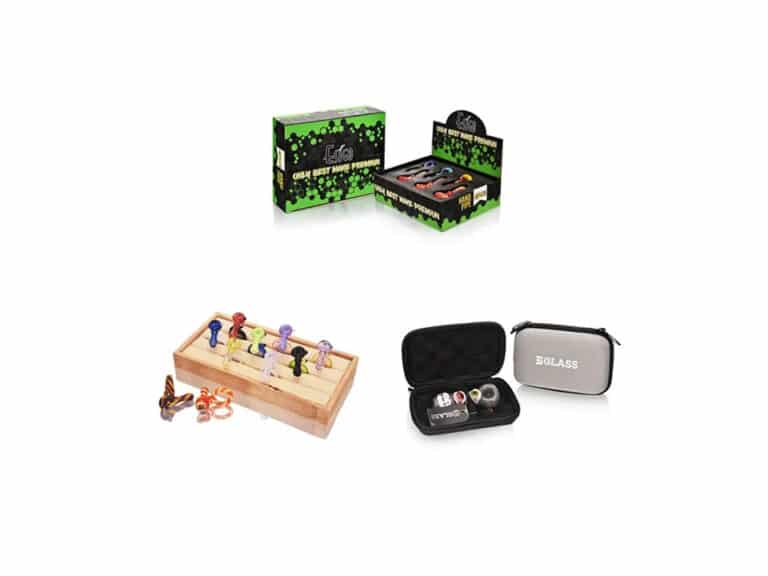
Most buyers judge glass by color, thickness, or branding. I don’t. This guide shows how I identify high quality glass using material data, manufacturing clues, and the red flags that usually show up right before a piece fails.

“Real glass” sounds simple until money is on the line. This piece breaks down how buyers should verify a borosilicate claim, catch weak QC, and avoid legal and return-driven headaches in wholesale.
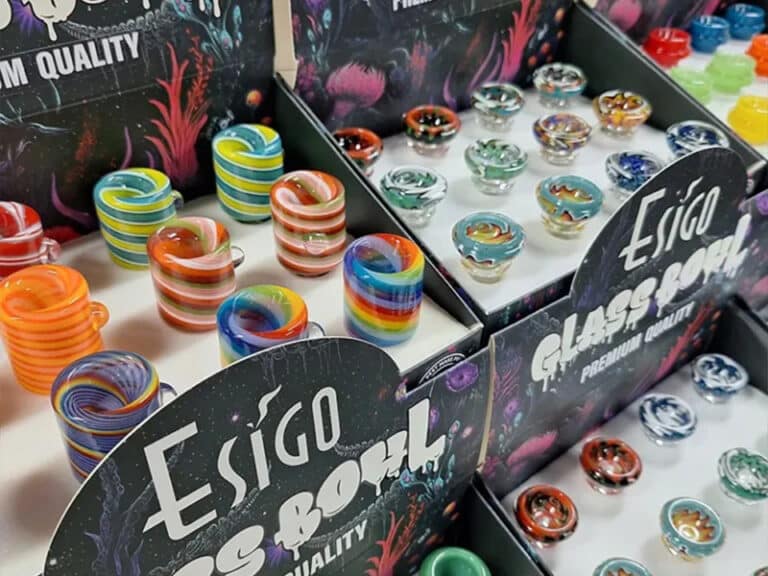
Most buyers inspect the quote and ignore the support system behind it. That is how “good pricing” turns into dead stock, refund fights, and slow-moving inventory nobody wants to touch twice.
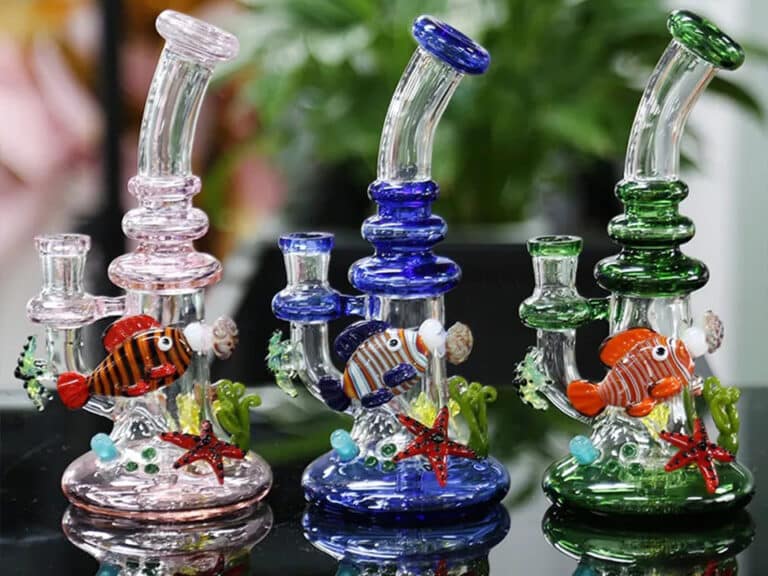
Most sellers choose freight mode backwards. This piece explains when air, sea, or express actually makes financial sense for fragile borosilicate glass, and where the real losses show up: delays, claims, and bad pack-outs.

Most private-label glass brands do not pick between OEM and ODM based on strategy; they pick based on short-term cash pressure. That is usually how brands end up with generic borosilicate SKUs, weak IP protection, and zero pricing power.