Free shipping in the U.S. for orders over $50

Seasonal Buying Patterns in Glass and Accessory Categories
I don’t, and I say that because I’ve watched too many merchants torch margin by treating glass like one flat bucket when it’s actually a messy stack of gift buys, collector buys, replacement buys, and “saw-it-loved-it-added-to-cart” buys that spike for totally different reasons. It’s not subtle. It never was.
But here’s the ugly truth: the calendar does half the selling. Not the copy. Not the pretty product grid. The calendar.
That’s why the macro retail read matters. NRF said 2024 core holiday sales rose 4% to a record $994.1 billion, while Reported online holiday spending climbed 6.7% year over year, the last five days drove 10% of all holiday spending, and the season was squeezed into just 27 days between Thanksgiving and Christmas. That combo changes buyer behavior fast—people stop browsing like collectors and start buying like sprinters.
Table of Contents
The seasonal buying patterns most stores misread
And this is where merchants get cute.
They lump everything into “glassware trends,” then wonder why a high-AOV rig stalls while a tiny novelty piece keeps printing sales, even though both live in the same category tree and technically share the same audience. I frankly believe that’s bad merchandising disguised as reporting discipline. Same category. Different mission.
From my experience, you need at least two lanes. One lane is flex glass—the hero SKU, the collector bait, the piece somebody shows off on a shelf or posts in a close-up. The other is fast-move merch: lower-friction accessories, friend-giftable pieces, add-on items that don’t need a ten-minute internal debate before checkout. If you mix those signals, your sell-through data lies to you.
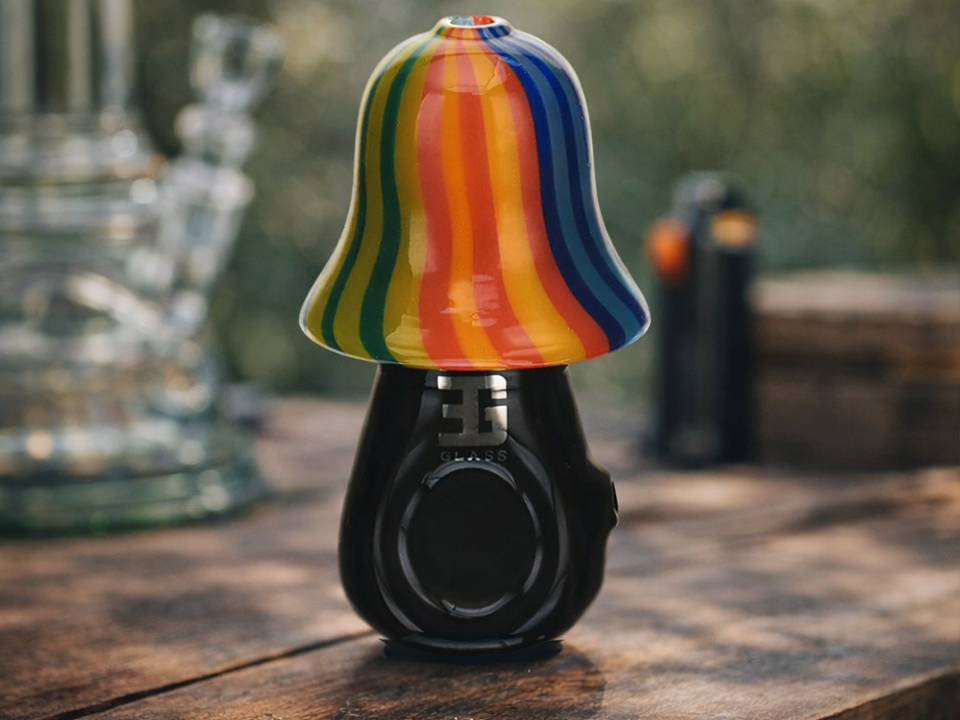
On this catalog, the split is pretty obvious. The transparent cactus pot hand pipe is listed at $30.99 and 5.5 inch; the BSH12 cactus honeycomb pot hand pipe sits at $32.99 and 4.7 inch; the cherry tree pot hand pipe is $34.99 and 4.7 inch; and the rainbow mushroom hand pipe is $32.99 and 4.3 inch. Those are classic low-friction pieces. Then the bigger glass takes over: the Custom EG-21 cactus wig wag ball rig is 7inch, 248g, 14mm, while the ES24834 borosilicate glass dab oil rig is 9.8 inch, 450g, 14mm. Entirely different shopping tempo.
Spring and April don’t reward boring glass
Spring wakes buyers up.
Not because they suddenly become rational—come on—but because color, novelty, and cultural timing start stacking together, and that favors accessories with personality over dead-serious utility pieces that need too much explaining. That’s why I keep circling back to : Reuters reported LeafLink expected infused flower and pre-roll sales to jump 500% to 1,000% around 4/20 in 2023. When the whole ecosystem heats up like that, themed glass doesn’t need a lecture. It needs visibility. (Reuters)
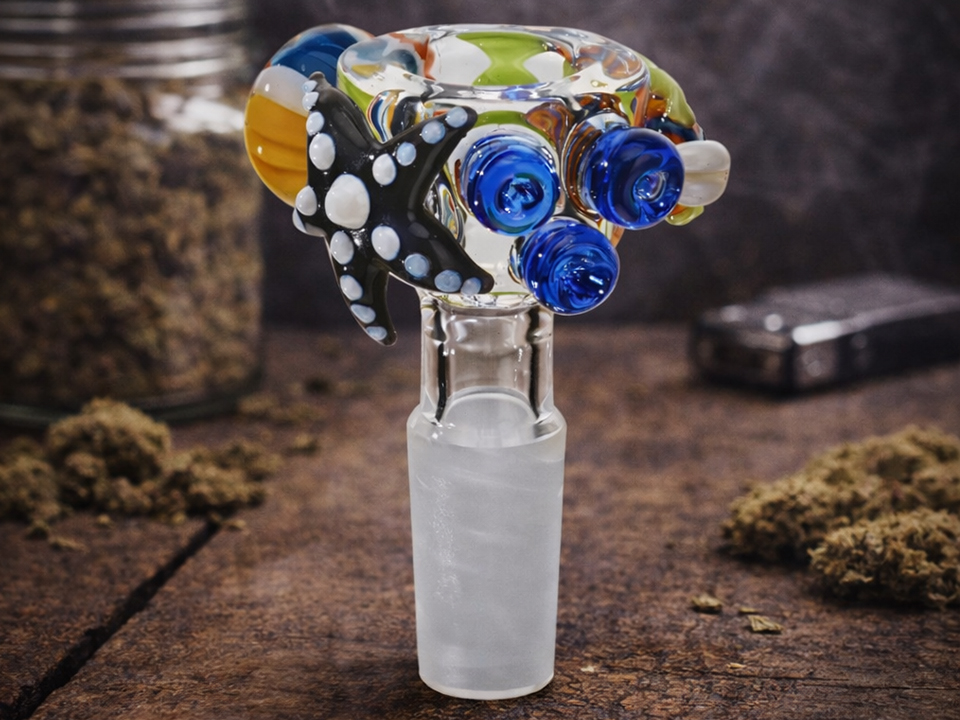
So yes, I’d push the playful stuff first—and I wouldn’t apologize for it. The transparent cactus pot hand pipe, the BSH12 cactus honeycomb pot hand pipe, the cherry tree pot hand pipe, and the rainbow mushroom hand pipe all sit in that easy-entry zone where buyers don’t need to “justify” the purchase with a spreadsheet. They just need a reason. Spring gives them one.
Summer sells function… until weather wrecks the vibe
Summer lies. Usually.
Retail people love saying warm weather lifts everything adjacent to social life, but that’s only half true.Reported a wet UK summer in 2024 hurt drinks demand, which is a useful reminder that seasonal demand isn’t magic; it still depends on people going out, staying out, entertaining, traveling, and generally feeling active instead of soggy and stalled. Weather can kneecap mood-led categories. Fast.
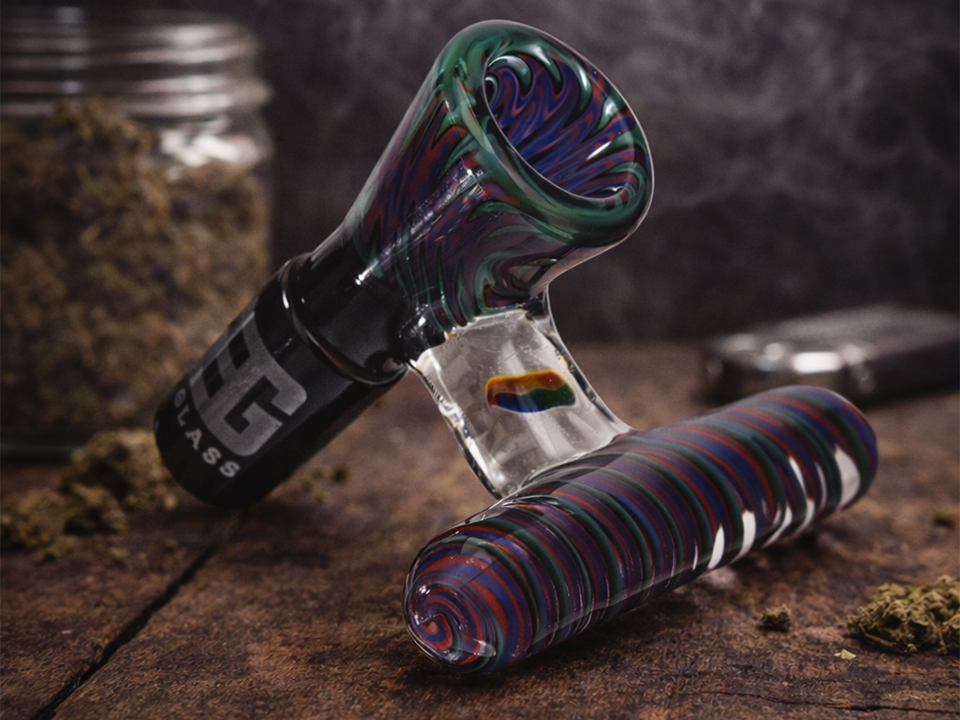
That’s why, in summer, I’d merch by use-case—not by season-themed fluff. The Custom EG-21 cactus wig wag ball rig has the compact 7inch / 248g / 14mm profile that reads like a tight, showable hero piece, while the ES24834 borosilicate glass dab oil rig at 9.8 inch / 450g / 14mm is more of a sit-down piece—less toss-in-the-rotation, more deliberate session glass. Different shopper. Different pitch. Same mistake if you merch them together like twins.
Fall is where accessory buying trends split from collector buying trends
Yet fall is my favorite read.
It tells you whether buyers are actually confident or just browsing with vibes.Reported in 2024 that European glass demand had stabilized, but consumers were still trading down or buying smaller quantities after a long squeeze. That matters more than people admit, because stabilization is not the same thing as conviction. It’s just less bad.
So fall is where the category cracks into two clean halves. The collector still has pulse. The cautious buyer starts circling cheaper, weirder, easier-to-explain pieces. I’ve seen this movie before: the merchant panics, throws blanket promos across the whole merch stack, and suddenly the hero SKU gets dragged into a discount war it never needed. Bad move. The better play is to let collector pieces like the Custom EG-21 cactus wig wag ball rig hold posture while smaller pipes do the conversion heavy lifting.
Q4 belongs to giftability, bundles, and fast reads
This part’s blunt.
Q4 does not reward the most “serious” assortment. It rewards the assortment that scans instantly on mobile, feels giftable without explanation, and can be bundled without the buyer doing math in their head. reuters.com already told us the season was compressed, online outpaced stores, and the last-minute surge mattered more than usual. That screams one thing to me: your thumbnail does more work than your prose.
And there’s a clean merchandising trick sitting right on the site. EG Glass advertises free U.S. shipping on orders over $50, which means a two-piece accessory bundle is often more persuasive than a blunt sitewide markdown. Pair the transparent cactus pot hand pipe with the rainbow mushroom hand pipe. Or the BSH12 cactus honeycomb pot hand pipe with the cherry tree pot hand pipe. That’s not fancy. It works.
The seasonal demand for glassware, mapped
| Season | Demand trigger | Buyer mindset | Best-fitting assortment | Pricing posture | What I would push |
|---|---|---|---|---|---|
| Spring | 4/20 attention, color reset, gifting moments | Novelty-first, visual, collectible | Motif-led hand pipes, themed small accessories | Light promo, strong bundles | Story-led visuals and seasonal motifs |
| Summer | Social activity, travel, display value, weather | Function with personality | Compact rigs, durable borosilicate, easy-to-show pieces | Protect margin, selective offers | Use-case language and clean spec presentation |
| Fall | Budget caution, trade-down behavior, browsing | Comparison-heavy, slower conviction | Split tiers: collector hero pieces + affordable add-ons | Tight markdown control | Segment high-AOV and entry-AOV traffic |
| Holiday/Q4 | Gift urgency, shorter calendar, mobile buying | Fast-deciding, gift-first | Sub-$35 art pieces, bundles, threshold offers | Bundle value over blunt discounting | Obvious gifting paths and fast decision architecture |
| January reset | Post-holiday fatigue, cash recovery | Deal-seeking, low emotional urgency | Slow seasonal leftovers, practical carryovers | Clearance where needed | Clean-up, not overpromotion |
FAQs
How do seasons affect glassware sales?
Seasonal buying patterns in glassware are recurring shifts in traffic, conversion, basket size, and product preference that happen around holidays, weather swings, gifting periods, and culture-driven dates, giving retailers a reliable map for when shoppers want collectible statement pieces, lower-ticket accessories, or practical everyday glass. In plain English, spring lifts novelty, summer favors use-case glass if the weather cooperates, fall exposes price sensitivity, and Q4 turns giftable accessories into the easiest win on the board.
What is the best time to buy glass accessories?
The best time to buy glass accessories is usually either right before a major seasonal demand spike, when selection is deepest and the freshest drops are live, or right after the spike, when sellers are more willing to bundle, trim aged inventory, or sweeten offers to keep stock moving. If I were buying, I’d watch late spring and post-holiday. If I were selling, I’d load inventory before the demand wave, not during it.
Why do smaller themed accessories often outperform during the holidays?
Smaller themed accessories outperform during the holidays because they sit in the sweet spot of price comfort, visual clarity, and giftability, which lets rushed shoppers make a fast decision without comparing specs, second-guessing budget, or worrying whether the item feels personal enough to count as a real gift. That’s exactly why the cactus, honeycomb, cherry-tree, and mushroom pipes make sense in Q4—they’re readable, affordable, and easy to bundle past the $50 free-shipping line.
Are borosilicate rigs seasonal or evergreen?
Borosilicate rigs are evergreen products with seasonal accelerants, meaning baseline demand can stay steady throughout the year while conversion improves during gifting windows, culture-heavy sales periods, and moments when buyers are already primed to spend more on craftsmanship, specs, and display-worthy pieces. So no, they’re not flat SKUs. They’re patient SKUs. The ES24834 borosilicate glass dab oil rig and the Custom EG-21 cactus wig wag ball rig need the right traffic temperature, then they wake up.
I’ll put it plainly: stop treating this like one big happy category. It isn’t. Run spring for novelty, summer for use-case, fall for segmentation, and Q4 for bundles and gift speed. Do that—and the category gets less mysterious, less promo-drunk, and a lot more profitable.