Free shipping in the U.S. for orders over $50

Sanitize Display Models Without Damaging Glass or Finishes
I’ve seen a pristine display go sideways in one bad cleanup cycle—too much fluid, the wrong wipe, somebody rushing through the closing checklist with “sanitized” on the brain—and by the next morning the glass is cloudy, the trim looks tired, and the whole case has that dead, overworked look buyers notice even when they can’t explain it. It’s common. Painfully.
But I’m going to say the quiet part out loud: most people don’t know the difference between cleaning and nuking a display. They just keep flooding the piece until it squeaks. That’s not care. That’s ham-fisted benchwork.
Table of Contents
Most damage comes from “routine,” not disasters
Here’s the ugly truth. The damage almost never starts with one dramatic mistake; it starts with the daily wipe-down, repeated over and over, where dust gets turned into a fine abrasive paste, liquid gets pushed into seams, and whatever coating or accent work the item has starts taking tiny hits that add up fast.
CDC makes the sequence pretty plain: clean first, disinfect second, and don’t pretend disinfectants are a substitute for cleaning unless you’re using a combined detergent-disinfectant product. It also points out that neutral detergents in the pH 6 to 8 range are the default pick for most cleaning work. That matters more than people think.
So no, I don’t start wet. I start dry. Always. Dust first. Grit off the surface. Then I decide whether the piece needs a simple de-smudge, a proper clean, or actual sanitizing on the touch zones. Different jobs. Different chemistry.
The cloth matters more than the bottle
A lot of people obsess over which spray looks “professional.” Wrong obsession. From my experience, cloth control is where the job is won or lost, because a soaked wipe with the perfect liquid still wrecks the finish if you drag grit across it or let runoff creep into joints and glued details.
That’s why the boring university guidance is actually better than most packaging copy. wiki.millersville.edu says use a microfiber cloth, keep it only lightly dampened, don’t apply liquid directly to the device, and don’t use spray bleach. I’d extend that logic straight to display glass and mixed-material merch fixtures. It holds up. wiki.millersville.edu (wiki.millersville.edu)
Three words. Less liquid wins.
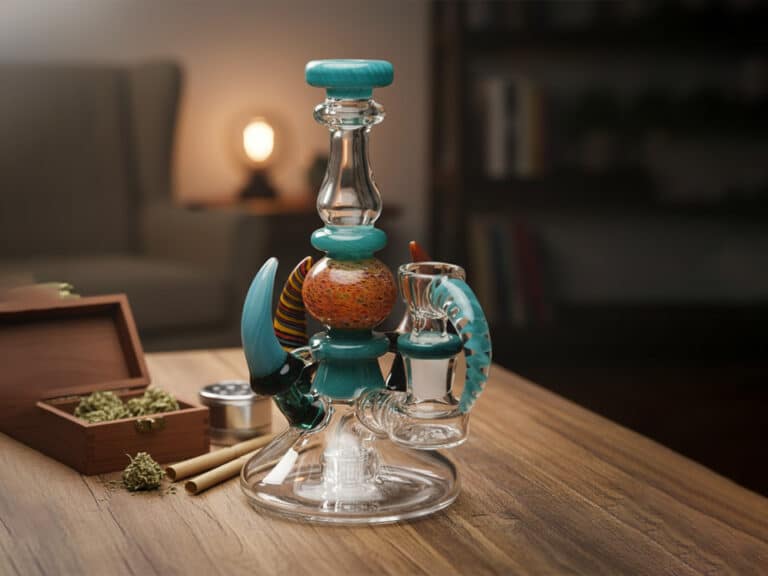
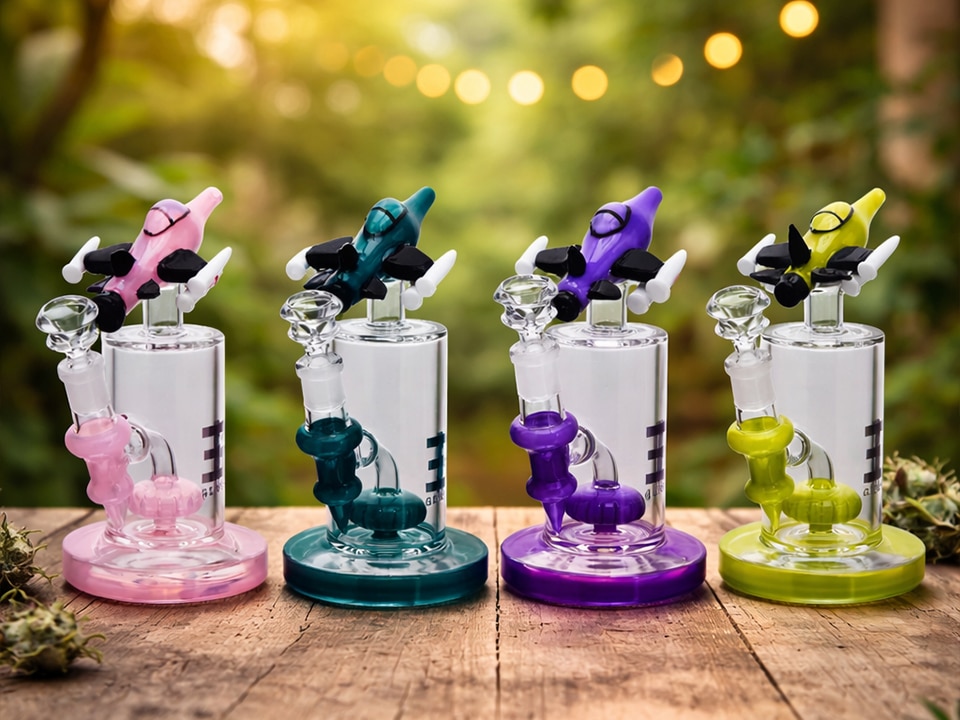
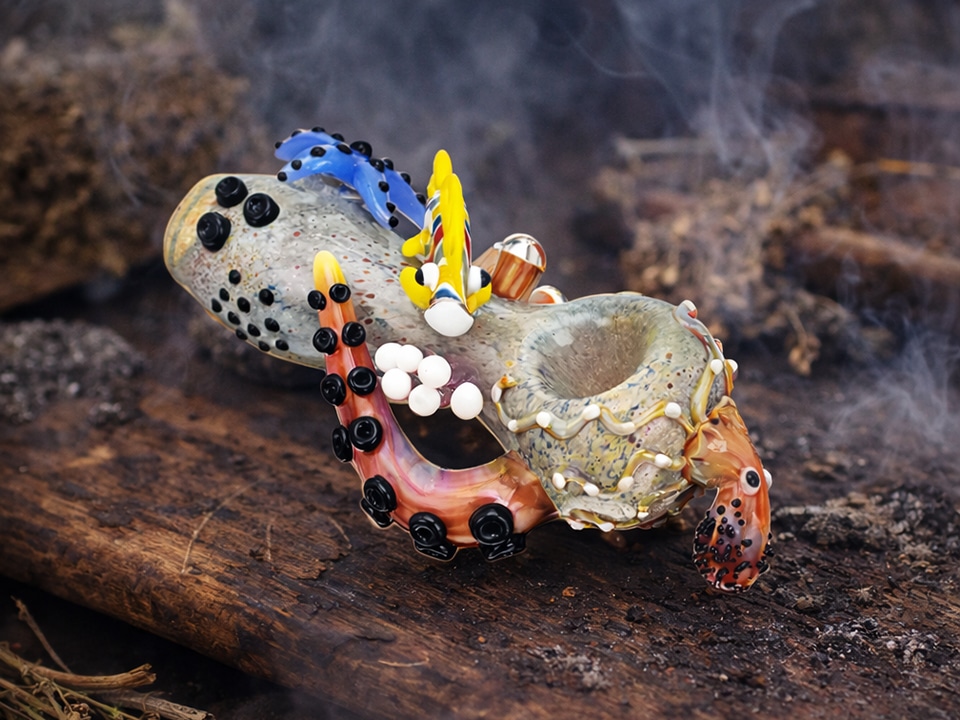
And with sculptural pieces, that matters even more. Something like the Custom EG-22 Cactus Drop Solid Color Rig or the Dab Oil Rigs EG-60 Reef Rig Change From Solid Cabin Sea Life may have strong borosilicate structure, sure, but the showpiece details—the visual work that sells the object—are usually where the risk sits. That’s the part amateurs miss.
Alcohol is useful. It’s not magic.
People love 70% isopropyl because it feels clean, flashes off fast, and doesn’t leave the same obvious residue that sloppier products do. Fair enough. But CDC’s own material notes are more nuanced: alcohol can work well on small hard surfaces, yet rapid evaporation can make contact-time compliance hard on larger ones, and it can damage plastics, silicone, rubber, and glues. That’s not a side note. That’s the catch.
I frankly believe this is where a lot of finish-loss gets blamed on “cheap glass” when the real problem was process. Bad wipe discipline. Too much saturation. Repeated passes. Sloppy edge control. Same story every time.
Don’t sanitize the whole piece like a maniac
A weirdly useful clue comes from outside retail. A 2024 PLOS Computational Biology study found that disinfecting public surfaces every two hours in airports could reduce modeled norovirus infection risk by 83.2%, which tells me targeted surface work actually matters—just not in the theatrical, soak-everything way people love.
That’s how I handle display environments. I hit the real touchpoints harder than the hero object itself: case handles, shelf lips, tray edges, lock tabs, price tags, and staff lift zones. The piece gets restraint. The infrastructure gets the heavier sanitation routine. That’s the split.
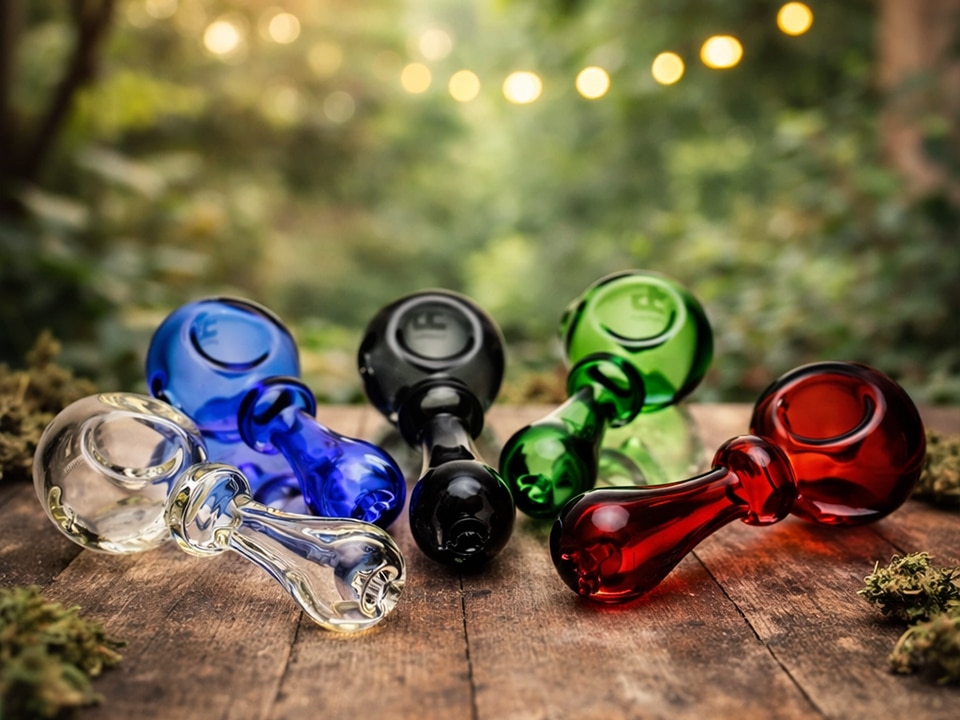
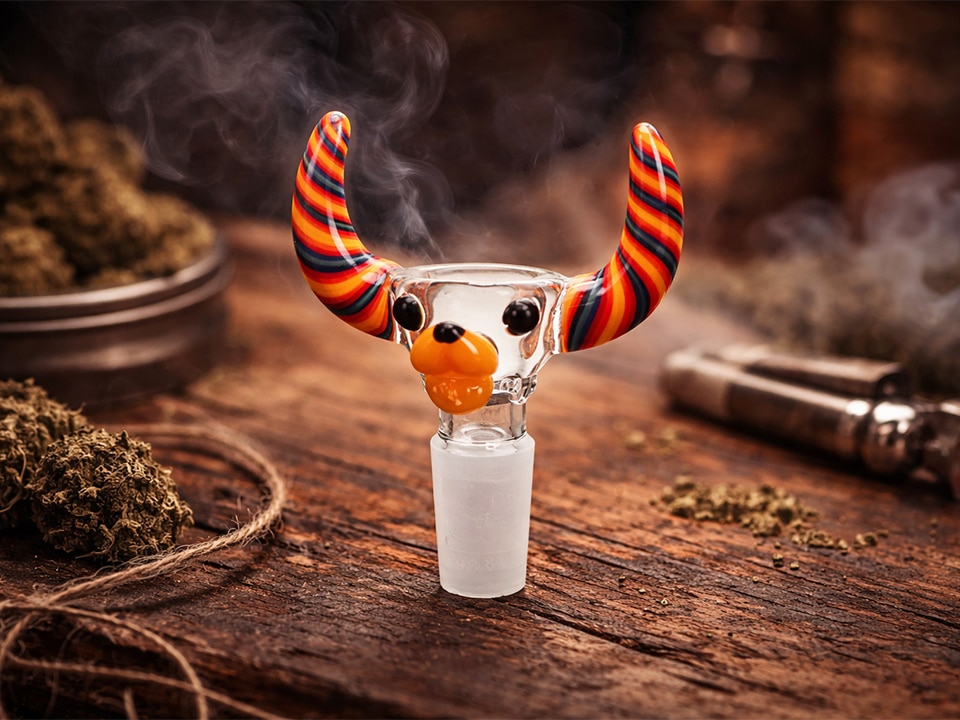
And yes, I apply the same logic to more whimsical or detail-heavy items like the BSH13 Bonsai Series-Transparent Cactus Pot Hand Pipe Buy Now and the Glass Hand Pipe Fancy Yellow Duck Borosilicate EGH26 5in. Those shapes have visual pinch points—little contour traps, decorative turns, tight zones where fluid loves to pool. Looks cute. Cleans badly.
Spray culture is bad tradecraft
Let me be blunt: a lot of spray-heavy sanitation routines are just optics. They look rigorous. They aren’t. They atomize chemistry, create overspray, and make it way too easy to treat delicate merchandise like cafeteria furniture.
That concern isn’t imaginary. A 2024 occupational paper archived at stacks.cdc.gov reported an odds ratio of 1.97 for sprays in building surface cleaning and new-onset asthma. Different setting, obviously—but the takeaway is still useful: aerosolizing cleaners all day isn’t some noble pro move.
And I keep thinking about that annual exposure tally at piper.filecamp.com, because the industry has this stubborn habit of equating harsher chemistry with better standards. It’s backwards. Usually.
What I actually do on the floor
My workflow is not glamorous. It’s just repeatable. Dry microfiber first. Second cloth for controlled damp cleaning. Third cloth only when I need a final buff under direct light. No direct spray onto the object. No soaking the wipe until it drips. No “one cloth does everything” nonsense.
If the setup has mixed materials, I sanitize around the piece more aggressively than I sanitize the piece itself. Shelf edge, riser, tag mount, latch, counter surface, handoff zone—those get the tougher routine. The object gets finesse. That’s true with clean-lined pieces, and it’s even more true when there’s accessory glass nearby like the Ash Catcher Bongs EGA10 Bright Horn Borosilicate Glass, where the surrounding setup is often a bigger contamination vector than the decorative body.
The cheat sheet I’d hand to any retail team
| Surface or component | What I use | What I avoid | Why I made that call |
|---|---|---|---|
| Plain exterior glass, visibly dusty | Dry microfiber first, then a lightly damp microfiber | Wet wipes on top of dust | Dust plus liquid becomes a scratching slurry |
| Plain exterior glass, true touchpoint sanitizing | Lightly damp microfiber with 70% IPA on nonporous areas | Direct spray, soaking, fake “one-pass” disinfection | Better control, less pooling, less residue |
| Painted, coated, or decorative finishes | Minimal moisture and a non-abrasive glass cleaner on the cloth, not the item | Bleach, heavy alcohol use, abrasive pads | Finishes usually fail before the base glass |
| Glued seams, silicone, rubber feet, labels | Careful cleaning around the seam; sanitize adjacent touchpoints instead | Repeated alcohol saturation | CDC notes alcohol can damage some materials and deteriorate glues |
| Shelves, handles, case edges, stands | Scheduled targeted disinfecting with label-compliant dwell time | Whole-case fogging or indiscriminate spraying | The highest-touch zones deserve the strongest routine |
| Staff workflow | Gloves, ventilation, no aerosols unless truly necessary | Habitual spray disinfection in closed cases | Spray-heavy routines add exposure with little display benefit |
That table is basically the whole playbook. Not sexy. Just right. Clean first, sanitize second, keep the liquid on the cloth instead of the object, and build the method around the weakest finish in the display—not the toughest chunk of glass in the lineup.
FAQs
What is the safest way to sanitize display models without damaging glass?
The safest way to sanitize display models without damaging glass is to remove dry dust first, then disinfect only the true touchpoints with a microfiber cloth that is lightly dampened with a finish-safe product for hard, nonporous surfaces, while keeping liquid away from seams, labels, adhesives, and decorative coatings. That’s the straight answer. My less polite version? Stop drenching the piece. Most of the damage I see comes from too much fluid and lazy wipe control, not from “bad glass.”
What is the best sanitizer for glass display models?
The best sanitizer for glass display models is usually a controlled application of 70% isopropyl alcohol on a microfiber cloth for plain, nonporous exterior touchpoints, rather than direct spray or bleach-heavy cleaning across the entire object, especially when the display includes mixed materials or decorative finishes. Usually. Not universally. If there’s silicone, rubber, glue, or trim in the build, I downshift fast because CDC specifically flags material compatibility problems with alcohol on some components.
Can I use bleach to disinfect glass display surfaces?
Bleach can disinfect hard, nonporous surfaces, but it is a poor default choice for display models because it can leave residue, stress finishes, and create collateral damage on nearby materials that were never meant to take that kind of chemical hit during routine merch care. I don’t ban it outright. I just think using it casually on display pieces is clumsy work, and the university guidance explicitly says not to use spray bleach on devices.
Why does glass still look hazy after sanitizing?
Glass looks hazy after sanitizing when dust was left on the surface before wet cleaning, when too much product was used, when residue dried in place, or when the chemistry interacted badly with nearby coatings, adhesives, silicone, or other trim materials that create visible dullness or streaking. That’s the technical answer. Here’s the shop-floor answer: you probably overworked it—too wet, too many passes, wrong cloth rotation, rushed buff-out, same wipe for everything. cdc.gov (CDC)
If your display has to look expensive, act like it. Sanitize display models with restraint, use a microfiber cloth for glass cleaning, keep your non-abrasive glass cleaner on the cloth—not blasted over the object—and protect the finish the same way you protect the sale.