Free shipping in the U.S. for orders over $50

Freezable Glycerin Bongs: Risks Wholesale Buyers Must Review
Freezable glycerin bongs look like easy premium glass. I think they are profitable only when buyers treat them like a risk-managed category, then use that same discipline to expand into dab rigs without bloating dead stock.


I get why buyers chase freezable glycerin bongs: the pitch is simple, the shelf story is visual, and the price ladder usually feels cleaner than basic beaker inventory, but the hard truth is that “cooler hit” SKUs often seduce wholesalers into buying feature density when what actually decides profit is damage rate, reorder friction, replacement policy, and whether the product creates repeat traffic instead of one-time curiosity.
And that’s the part too many catalogs hide, isn’t it?
Table of Contents
Build a Profitable Dab Rig Expansion From a Bong Product Base
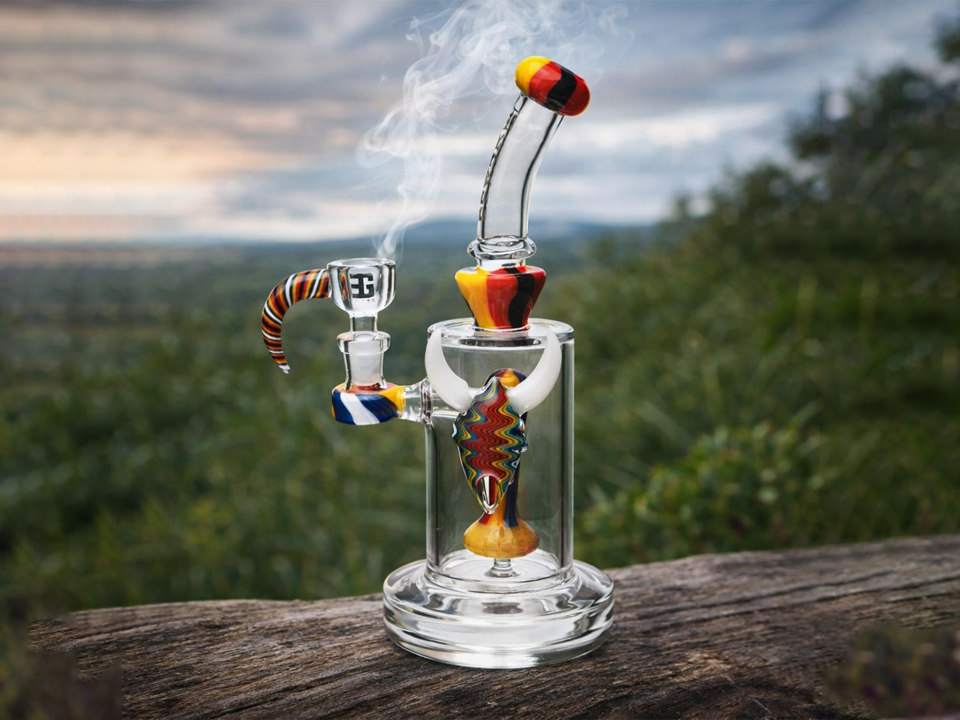
Here is my unpopular view: most smoke shops do not need more bong styles; they need a better migration path. If compact water pipes already move for you, something like this 7-inch tiny water pipe or this colorful wig wag water pipe is already telling you what matters most in your store, whether that is footprint, color, or impulse-friendly pricing.
So don’t expand sideways forever.
Expand forward. The cleaner move is to turn that bong traffic into concentrate traffic with a tight step-up assortment, starting with a one-piece opal whistle dab rig or a 6-inch transparent dab rig. If the customer is not ready for a rig, lower-risk companions like a bonsai borosilicate hand pipe or a solid mushroom hand pipe keep the basket alive without forcing a high-AOV close.
The cold-hit pitch is easy; the return math is not
Freezable glycerin bongs sit in that dangerous middle zone between commodity and premium. They are not plain enough to be carefree. They are not expensive enough to survive sloppy quality control. A buyer hears “glycerin” and thinks differentiation. I hear sealed chamber, freeze-thaw stress, longer transit exposure, and a customer who will absolutely blame the shop if the coil clouds, leaks, or cracks after a weekend in the freezer.
That is not cynicism. That is wholesale math.
The broader regulatory mood matters too. In the U.S., the Department of Justice and FDA launched a new illicit e-cigarette task force on June 10, 2024, after the FDA had already issued more than 1,100 warning letters to manufacturers, importers, distributors, and retailers tied to unauthorized tobacco products. I would not pretend that pressure lives in a neat little vape-only box; when a channel is under scrutiny, age-gating, paperwork, descriptions, and vendor diligence get more serious across adjacent smoke-shop categories.
Why wholesale buyers get trapped by feature-heavy glass
Cooler is not cleaner.
That sentence should be printed on half the product sheets in this business, because public-health evidence on waterpipe smoking is brutally clear: the CDC says the water in a hookah does not filter smoke, and even after passing through water the smoke still contains high levels of toxic agents; it also notes that a typical one-hour session can involve about 90,000 ml of smoke, roughly 100 to 200 times the volume of a single cigarette. A freezable glycerin chamber may change feel, but that is not the same thing as changing what the smoke is.
That distinction matters for buyers because staff love to oversell comfort as safety. Bad habit. Expensive habit. Once a clerk starts implying that a freezer-cooled piece is “healthier,” you have handed your store a customer-service problem and maybe a compliance problem too. I would train the pitch harder: smoother, colder, more novel, more premium-looking. Not safer.
And the youth-appeal issue is not fading quietly. The 2024 National Youth Tobacco Survey found current e-cigarette use fell from 7.7% in 2023 to 5.9% in 2024, but that still translated to 1.63 million U.S. middle and high school students, with 87.6% of current users reporting flavored products. That is exactly why regulators keep staring at colorful, novelty-driven smoke-shop inventory and why wholesale buyers need cleaner records, cleaner packaging language, and cleaner vendor files than they needed five years ago.
The real risks inside wholesale glycerin bongs
I would audit this category in five buckets.
First, structural risk. Glycerin bongs are often sold on the neck or coil, which means more geometry, more joints, more handling points, and more transit vulnerability. Second, seal risk. A chamber that survives factory inspection can still fail after repeated freeze-thaw cycles in real homes. Third, packaging risk. Fancy glass with mediocre foam is just a delayed refund. Fourth, training risk. Staff say the wrong thing, and the return counter gets busy. Fifth, inventory risk. These pieces photograph better than they reorder.
That last one hurts.
Because plenty of stores confuse attention with sell-through. A freezable coil bong can stop traffic and still be a weak SKU if the reorder interval is long, the breakage allowance is vague, and the supplier ghosts you when serial defects show up in batch two. I have a simple rule: if a vendor cannot state damage replacement timing in writing, carton specs in writing, and MOQ flexibility in writing, I assume the margin is fake.
Reuters’ reporting on the 2024 U.S. vape market should sober up any wholesale buyer who still thinks supply-chain opacity is a small problem. One Reuters review of private retail data said unauthorized flavored disposable vapes accounted for about $2.4 billion in U.S. sales in 2024, or 35% of the tracked market. Another Reuters investigation found CBP seized more than 3 million illegal vapes valued at $76 million in 2024, while customs mismatches pointed to unusually wide gaps between Chinese export data and officially received U.S. imports. Different product class, yes. Same message for smoke-shop buyers: weak diligence attracts bad inventory.
The smartest dab rig expansion starts with size discipline
This is where most buyers get greedy.
They move from bong basics into rigs and immediately buy ornate pieces that are beautiful, slow, fragile, and weirdly hard to demo in thirty seconds. I would do almost the opposite. Start small. Start stable. Start with rigs that make sense to a shopper who already buys compact glass and wants a modest step-up, not a museum piece.
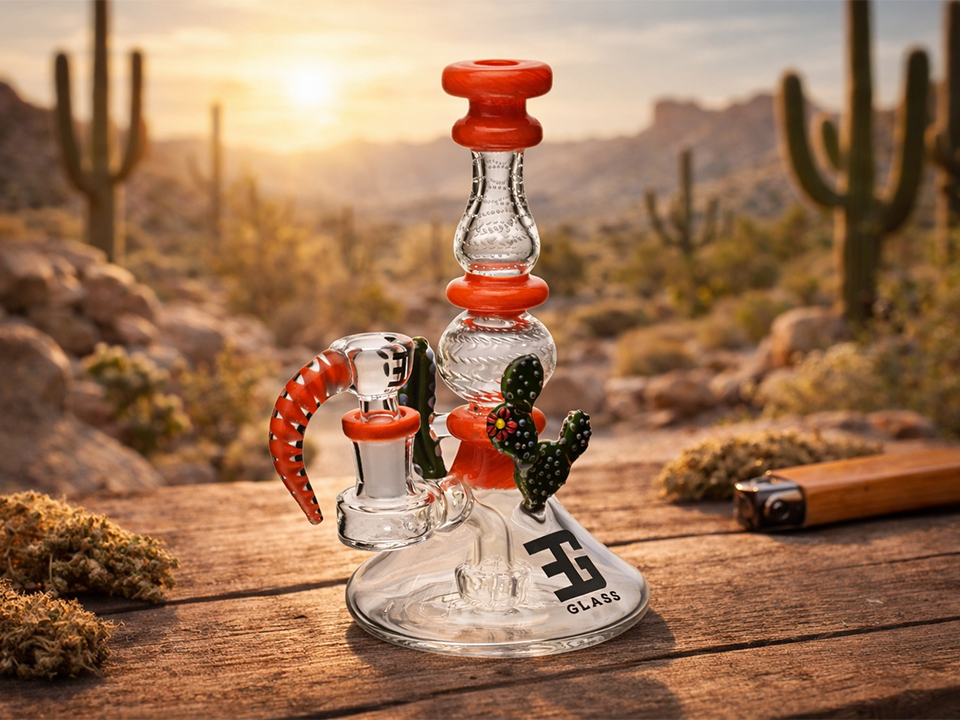
That is why mini rigs beat fantasy rigs in real stores. A compact one-piece opal whistle dab rig makes a better bridge from a 6-inch to 7-inch water-pipe customer than a giant statement piece ever will. The transparent 6-inch rig is even more useful for testing whether your shoppers respond to function-first concentrate gear or only to loud color stories.
You do not need twenty dab rigs. You need three answers.
One answer for the first-time concentrate buyer. One answer for the shopper upgrading from a small bong. One answer for the collector who wants visual punch. Everything else is ego inventory.
What I would actually stock first
My opening buy would be boring on purpose. Two dependable compact water pipes. Two mini rigs. Two lower-ticket hand pipes. That mix tells you fast whether your shop’s gross profit comes from premium feature selling or from cleaner turnover with fewer headaches.
Here is the framework I would use before sending a purchase order.
| Category | What the customer thinks they are buying | What the buyer is really buying | Return pressure | Shelf role |
|---|---|---|---|---|
| Standard compact water pipe | Familiar function | Reliable turnover | Moderate | Core traffic SKU |
| Freezable glycerin bong | Colder, smoother novelty | Higher ASP with higher failure risk | High if seals or packaging are weak | Premium story SKU |
| Mini dab rig | Entry into concentrates | Category expansion with controlled cash exposure | Moderate | Margin bridge SKU |
| Hand pipe | Easy add-on | Fast basket-builder | Low to moderate | Cash-flow support SKU |
And here is my bias, stated plainly: I would rather miss one flashy glycerin bong sale than fill my back room with fragile “premium” glass that converts slowly and comes back cracked. Buyers hate hearing that. Buyers need hearing that.
The numbers that should decide your next PO
If you want wholesale glycerin bongs to work, track four numbers, not two. Everyone watches landed cost and sell price. Fine. I care more about damage-adjusted margin, days-to-reorder, defect response time, and attachment rate into neighboring categories like rigs and hand pipes. If the glycerin SKU does not lift the rest of the basket, it is probably just expensive theater.
And basket behavior tells the truth fast. A shopper who buys a compact water pipe today and returns for a mini rig in 30 to 60 days is worth more than the shopper who buys one feature-heavy bong, posts it online, and disappears. The point is not to stock more glass. The point is to stock the right sequence.
FAQs
What are glycerin bongs?
A glycerin bong is a water pipe built with a sealed glycerin-filled chamber, usually in the neck or coil, that is frozen before use so smoke feels colder and smoother, while the product remains a standard smoking device rather than a medically safer or legally privileged format. Buyers should treat that chamber as both the selling feature and the main failure point.
Are freezable glycerin bongs safer than standard bongs?
No: freezable glycerin bongs are cooling accessories, not harm-reduction devices, because colder smoke may feel less harsh but public-health evidence on waterpipe use shows that water and cooling do not remove the main toxic agents that matter to regulators, staff training, and skeptical wholesale buyers. That is why I would ban “safer” language from product cards and sales scripts. (CDC)
How should wholesalers source wholesale glycerin bongs?
Wholesale glycerin bongs should be sourced through a failure-rate audit that checks borosilicate thickness, seal integrity, freeze-thaw stability, packaging drop performance, replacement policy, and invoice accuracy before you ever debate colors, because breakage and after-sale friction erase margin faster than a flashy neck coil creates sell-through. I would ask for written carton specs, written damage terms, and a small first run before any scale order.
How do dab rigs fit a bong-first catalog?
A profitable dab rig expansion means using your existing bong customer base to introduce smaller, simpler concentrate SKUs with lower cash exposure, tighter footprints, and clearer upsell logic, instead of jumping straight into ornate rigs that impress staff, tie up inventory dollars, and stall on shelves. In practice, that means pairing compact water pipes with compact rigs and using hand pipes as low-risk companions.
What is the biggest risk wholesale buyers miss with glycerin bong wholesale orders?
The biggest hidden risk in glycerin bong wholesale orders is not the ex-factory price but the gap between perceived premium value and actual post-sale durability, because once freeze-thaw stress, transit damage, and vague replacement policies enter the equation, your apparent markup can collapse into admin cost and refund noise. I think that is where most “good deals” die.
If I were building this category today, I would keep the bong base tight, test freezable glycerin bongs in small controlled batches, and use compact rigs plus dependable hand pipes to build a cleaner profit ladder. Start with the SKUs that answer real shopper behavior, not supplier hype: a compact water pipe, a mini rig, and one or two add-on hand pipes that keep cash moving.