Free shipping in the U.S. for orders over $50

First-Use Instructions Every Glass Brand Should Include
They’ll spend weeks arguing about can diameter, weld symmetry, perc count, neck pitch, and whether the hero photo shows enough shimmer in the can, then they’ll toss in a throwaway insert that says “handle with care,” which is basically another way of saying, “Good luck, hope you don’t flood the chamber or thermal-shock the piece.” That’s it?
I frankly believe this is where a lot of “premium” glass brands expose themselves.
And, yes, I’m going to say the awkward part out loud: the keyword first time wearing glasses doesn’t really belong to a brand selling rigs, beakers, and heady borosilicate. Eyewear owns that phrase. But the search intent hiding underneath it? Dead useful. First-use anxiety is real. New buyers want setup help, rinse steps, water-line guidance, heat discipline, and cleaning instructions that don’t sound like they were written by a bored compliance intern.
Table of Contents
The first-use moment is where brands quietly win or lose the customer
But here’s the ugly truth.
The sale isn’t the finish line. For functional glass, the first ten minutes after unboxing do more damage to retention than most brands will admit, because that’s when buyers guess at fill level, overpack the bowl, torch too aggressively, miss a hairline crack, or assume all borosilicate behaves the same under fast heat swings. From my experience, support tickets aren’t born in “product discovery.” They’re born in that first messy session.
The public-health side backs up the common-sense version of this. The 2024 National Academies review says the impact of cannabis use depends on product type, amount consumed, who’s using it, and the method of administration, which is exactly why one generic insert for every SKU is lazy nonsense if you’re selling different forms of glass with different airflow and heat behavior.
And the risk isn’t abstract. CDC reported 539,106 cannabis-involved emergency department visits among people under 25 between December 30, 2018 and January 1, 2023, and it also noted that higher-THC routes like vapes and dabs are common among adolescents and young adults, with stronger intoxication risk when concentrations climb. That should make every glass brand rethink the smug little “easy to use” line on the box.

What the insert should actually say before session one
Not much. But enough.
I don’t mean twelve paragraphs of sanitized fluff. I mean a real first-use card with sequence, numbers, and warnings that sound like a person who has actually snapped a joint, flooded a perc, or watched a rookie blast a cold rig with heat way too fast.
At minimum, every serious brand should include this:
- Inspect the mouthpiece, welds, joint, base, and perc slits under bright light.
- Rinse with warm water before first use—never boiling water on a cold piece.
- Explain the water line with a usable range, not “fill as needed.”
- Tell people exactly how to clean it: 91% or 99% isopropyl alcohol, full rinse after, no residue left in the chamber.
- Warn against thermal shock—don’t go sink-cold to torch-hot.
- Explain safe storage in blunt language.
- Tell buyers what to do if the piece is chipped, contaminated, or performing weirdly on the first pull.
That last part matters more than the industry wants to admit, because regulators don’t write like lifestyle marketers do. In a 2024 California recall notice over chlorfenapyr contamination, the Department of Cannabis Control told buyers to check identifiers, stop using the product if it matched, and either dispose of it properly or return it to the retailer; that’s direct, useful language, and glass brands should steal that clarity immediately.
One insert for every SKU? That’s fake help
Yet this still happens.
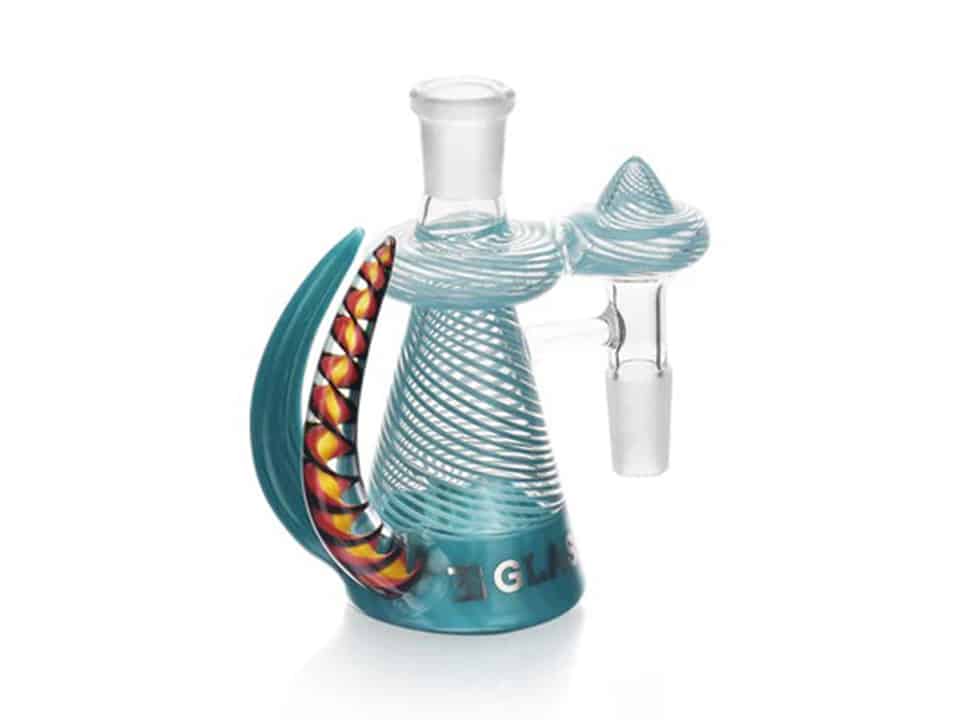
A 12-inch clear beaker bong does not need the same first-use note as a 9-inch bent neck super splash perc rig. And a 9-inch straight-neck double super UFO perc rig sure doesn’t behave like a borosilicate octopus head dab rig. Different can volume. Different splash behavior. Different drag. Different user mistakes. Same insert? Come on.
What should change by product? Water-fill steps, for one. A beaker can tolerate a little user clumsiness. A perc-stacked dab rig can’t. Decorative headwork changes how people handle the piece. Bent necks change splashback dynamics. Straight neck multi-perc rigs need staged filling or the thing just chugs badly and the buyer blames “bad quality” when the real culprit is bad onboarding.
| Product style | First-use risk brands ignore | What the instructions should actually say | Why this matters |
|---|---|---|---|
| Beaker bong | Overfilling, stale warehouse dust, unstable placement | “Rinse with warm water, fill to just above the downstem opening, place on a flat surface, and test draw before packing.” | Beakers are forgiving, but they punish sloppy fill levels and wobbly surfaces. |
| Bent neck splash perc rig | Splashback, restrictive pull, trapped rinse water | “Add water slowly in 5-10 mL steps, test inhale resistance, and empty fully after rinse to avoid trapped water in the perc path.” | Bent-neck geometry changes user feel fast; too much water kills the experience. |
| Straight-neck double UFO perc rig | Multi-chamber overfill, hidden moisture, drag complaints | “Fill the bottom chamber first, then test the second perc gradually. Stop when bubbles stack cleanly without pulling water upward.” | Perc-heavy pieces need staged setup, not guesswork. |
| Dab rig with decorative headwork | Thermal shock, torch misuse, reclaim buildup | “Do not apply flame to cold decorative glass. Heat the quartz or nail only, allow cool-down, and keep flame clear of worked sections.” | Heady designs crack when users treat the whole piece like a heat target. |
Buyers are overconfident, and brands write as if they aren’t
Here’s the ugly truth again.
A lot of consumers think they already know how to use the piece. They don’t. A 2024 paper using 2022 U.S. National Survey on Drug Use and Health data looked at 12,796 past-year adult cannabis users and found that one-half reported no perceived risk from smoking cannabis one to two times a week; the paper also said more research is needed on the risks around dabs/concentrates. That’s a giant blinking sign telling brands not to rely on user intuition.
So, no, I don’t buy the old excuse that “people don’t read inserts.” People ignore weak inserts. Big difference.
And storage copy? Usually terrible. Poison Control says U.S. poison centers handled 2,092,689 human exposures in 2024, and 39% involved children younger than 6. If you sell cannabis-use glass and your storage language still sounds like scented-candle packaging, your priorities are upside down.
What good first-use copy sounds like in the real world
Short. Specific.
Something like this: rinse the piece with warm water for 30 to 60 seconds, inspect the welds and joint under direct light, add water in small increments until filtration starts without splashback, dry the exterior fully, and keep direct flame off the body of the glass. For dab setups, say it plainly—heat the banger or nail, not the rig body, and let the setup cool slightly before the pull.
That works. Usually.
But most brands still write vague junk: “Wash before use.” “Handle with care.” “Use responsibly.” That’s not usable copy. That’s box filler. And when the first session tastes dusty, or the chamber floods, or the buyer gets too much drag from an overfilled perc stack, they don’t blame the insert. They blame the glass.
From my experience, the best onboarding copy also kills a few myths fast: thicker-looking headwork isn’t a license for sloppy heat, fresh-out-of-box glass still needs a rinse, trapped water inside a perc path can wreck the next session, and reclaim buildup starts earlier than people think—especially when users run too hot and never dry the piece properly between sessions.
FAQs
What first-use instructions should a glass brand include?
A glass brand’s first-use instructions should give the buyer a clear sequence for inspection, rinsing, water-fill setup, safe heat exposure, cleaning chemistry, storage, and what to do if the product arrives chipped, contaminated, clogged, or behaves abnormally during the first session.
After that, the brand needs to stop pretending all glass functions the same. A beaker, a splash perc rig, and a multi-perc dab piece need different setup notes—or else the “instruction card” is just dead paper.
How should someone clean a new glass piece before first use?
Cleaning a new glass piece before first use means removing dust, loose particles, packaging residue, and stale warehouse debris with a warm-water rinse first, then fully drying the piece and, where needed, using high-strength isopropyl alcohol carefully so no chemical residue remains inside the chamber or joint.
I’d keep it brutally simple: warm water first, no extreme temperature swing, no perfumed soap, no lazy half-rinse afterward. If alcohol is used, make it 91% or 99%, rinse thoroughly, then let the glass dry all the way.
Why do new glass rigs crack during the first heat cycle?
New glass rigs usually crack during the first heat cycle because users create thermal shock by heating a cold, damp, or recently rinsed piece too fast, often directing the torch too close to worked glass, joints, or decorative sections instead of only heating the intended surface.
That mistake happens constantly. Especially with newer buyers who think “borosilicate” means indestructible. It doesn’t. It means more tolerant than soda-lime glass—not immune to bad habits.
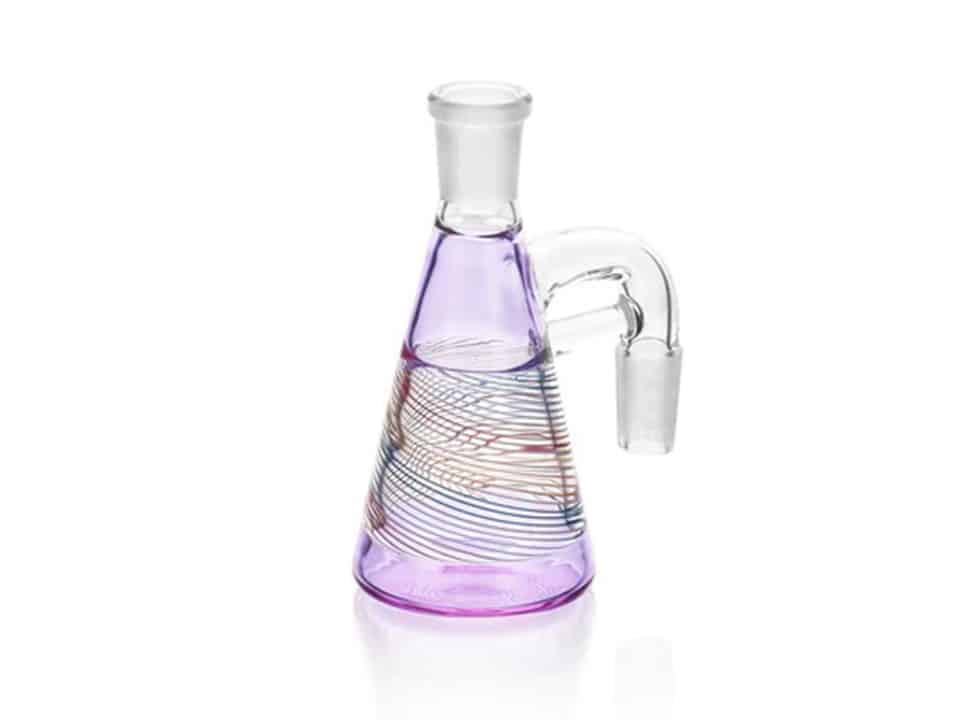
What warning should a glass brand print on the box?
The box warning should state that the product is fragile borosilicate glass, must be inspected and rinsed before use, should be kept away from children and pets, must not be exposed to sudden temperature changes, and should be retired immediately if cracking, contamination, or recall concerns appear.
And I’d go one step further: tell people what to do next, not just what to fear. California’s 2024 recall language did that well—check identifiers, stop use, dispose properly, or return it. More brands should write that way.
If your brand still treats first use like an afterthought, you’re not selling a finished product. Start with the setup card, rewrite it by SKU, and benchmark it against the real needs of pieces like your beaker bong, bent-neck splash perc rig, and double UFO perc dab rig. Brands that make the first rip feel obvious, clean, and controlled are the ones buyers come back to.