Free shipping in the U.S. for orders over $50

Expand Beyond Bongs Into Full Smoking Accessory Programs
Bongs still pull eyes, sure, but I’ve watched too many owners stack their walls with shiny glass, call it a strategy, and then act surprised when the register starts wheezing because attention alone doesn’t pay rent, payroll, freight, shrink, and the endless drip of reorder mistakes that come from buying for ego instead of buying for turns. It happens. A lot.
But here’s the ugly truth: a bong wall is usually wall candy. It’s not a full retail engine. It’s the opener, not the whole set.
And the demand base is sitting there in plain view. Federal survey data for 2024 showed smoking was still the most common mode of marijuana use among past-year users at 73.9%, or 47.4 million people, and among adults 18 to 25 who used marijuana in the past year, 83.4% reported smoking. That matters because stores keep behaving as if smoking is some side behavior when, plainly, it isn’t.
Table of Contents
The bong-only model is a retail trap
I’ve seen this up close—owner walks me through the store, points proudly at a row of big tubes, maybe a few worked pieces, maybe a rig section, then we get to the cash-wrap and it’s chaos: random lighters, stale papers, no real grinder ladder, no cleaning logic, no coherent step-up path. That isn’t merchandising. That’s drift.
Three-word diagnosis: too much glass.
From my experience, the shops that underperform don’t usually lack hero products. They lack program thinking. They mistake showcase SKUs for a category plan. So the customer buys one nice piece, disappears for eight weeks, and the owner wonders why traffic feels expensive. Why would that customer come back next Tuesday?
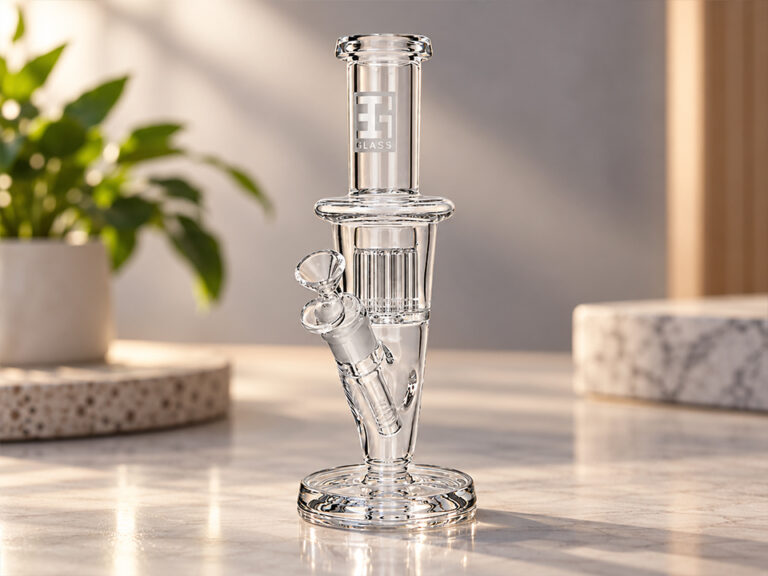
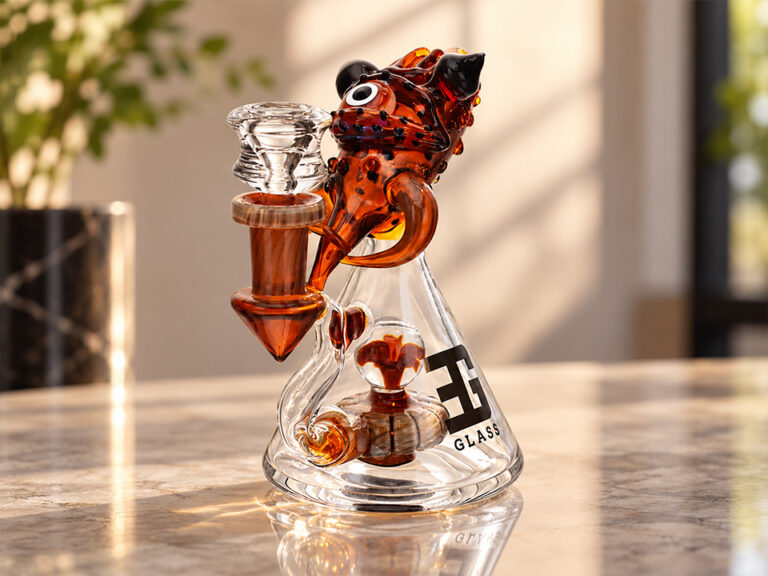
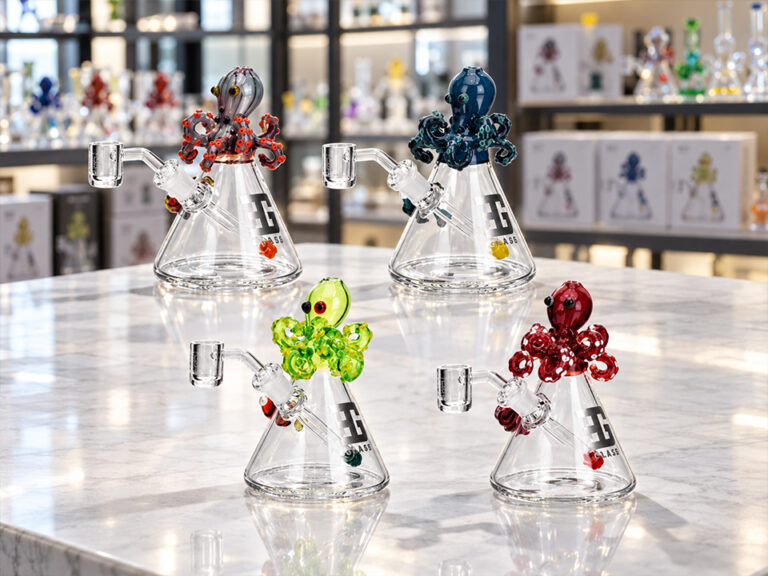
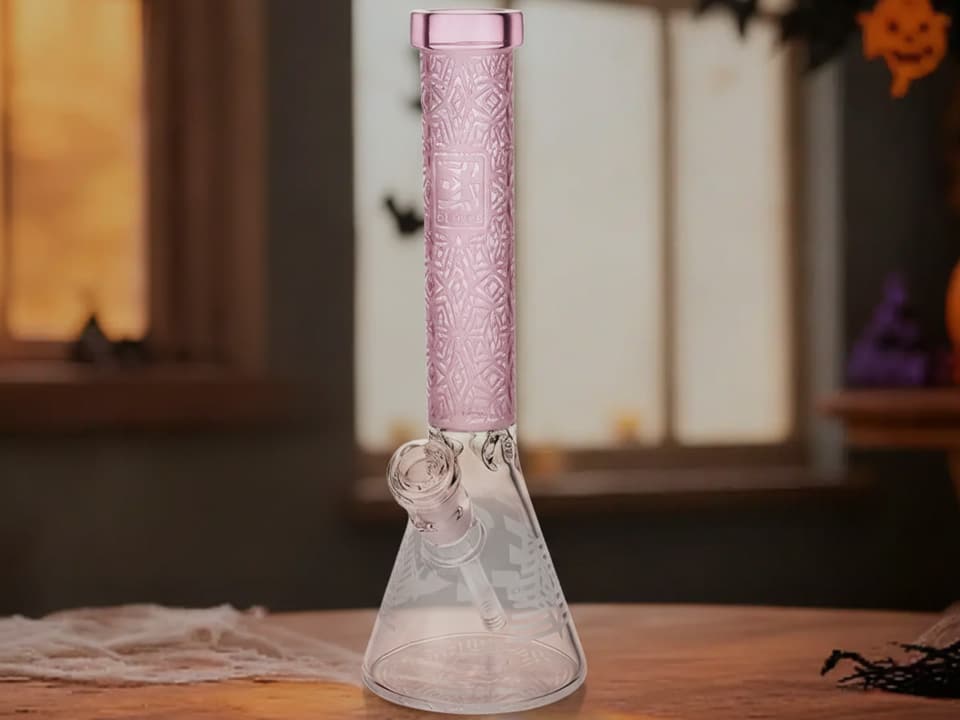
A bong should start the sale. It shouldn’t have to drag the whole month. I’d still keep a straight tube bong with wig wag detail on the wall, a cactus borosilicate dab rig, and a smaller entry piece like a bonsai prickly pear hand pipe. I’m not anti-glass. I’m anti-lazy assortment.
A real smoking accessory program has layers
Let me say it plainly: most stores don’t have a smoking accessories program. They have a pile. Big difference.
A full smoking accessory program is a deliberately tiered retail mix that combines core glass, repeat-purchase consumables, prep tools, maintenance items, and impulse add-ons so a store can capture both high-ticket showcase sales and lower-ticket recurring purchases from the same customer over time.
That’s the definition. Now the less glamorous part—the part that actually makes money.
| Program Layer | What belongs here | What it does | Common mistake |
|---|---|---|---|
| Hero Glass | Bongs, dab rigs, featured hand pipes | Stops traffic and signals identity | Overweighting too many similar SKUs |
| Replenishables | Rolling papers, cones, tips, butane, screens | Drives repeat visits | Treating them like checkout junk |
| Prep Tools | Rolling trays, grinders, storage, pokers | Raises basket size fast | Under-merchandising next to glass |
| Maintenance | Cleaners, brushes, caps, ash catchers | Protects the original purchase | Ignoring post-purchase needs |
| Impulse Upgrades | Novelty pipes, premium lighters, travel cases | Adds margin without friction | Pricing too high for grab-and-go |
That table looks obvious on paper. In-store? Shops still blow it.
I frankly believe the most profitable stores build around behavior, not object type. One customer buys a bong today. Fine. But that same customer can come back for rolling papers and grinders, cleaner, storage, screens, cones, or a compact secondary piece that rides in a pocket or glove box. That’s where the attach rate starts to breathe. And yes, a wig wag cactus pot hand pipe or a bonsai borosilicate pot hand pipe helps there because it lowers the commitment threshold without cheapening the shelf.
Where the money hides isn’t sexy
Here’s the part people hate. The real money often sits in the boring stuff.
Turning Point Brands said in its 2024 annual filing that net sales in the Zig-Zag products segment increased by $11.9 million, or 6.6%, and that increase was driven primarily by $11.5 million of growth in papers, wraps and accessories. The same filing also showed Zig-Zag cigarette papers at 32.8% market share. That is not decorative revenue. That is a giant neon sign telling you where repeat demand lives.
So when someone tells me the best smoking accessories for smoke shops are just “whatever looks premium,” I tune out a little. Because premium without movement turns into dead stock, markdown pressure, and a buyer pretending their miss was “brand building.” No. It was overbuying.
Papers move. Cones move. Grinders move. Cleaner moves. Small-format utility moves. That’s the heartbeat. The giant showpiece on the top shelf? Nice for Instagram. Usually.

Merchandising by session beats merchandising by object
Walk the floor like a customer, not a catalog rep. That’s my rule.
Most head shop accessories sections are arranged by supplier logic—pipes here, papers there, tools in some sad spinner, cleaning stuff hidden like it’s embarrassing. But customers don’t shop that way. They shop in little ritual bundles. Daily driver. Road setup. Roll-up kit. Dab night. Cleanup refill.
That’s why I’d rather build mini-worlds than categories.
Put the grinder beside the tray. Put the cones beside the jar. Put the cleaner where the glass customer can’t miss it. Put the pocket pipe where the big-glass buyer can justify it as a “second piece” without thinking too hard. A shelf should answer the next question before the customer asks it.
And there’s a wider shift here that too many operators are late to. Reuters reported in October 2024 that cannabis retailers were reworking products and branding around women as buying influence and spend grew; the piece cited women making up 55% of the user base on Jointly, and in one New York legal dispensary, average purchase size for female buyers topped $91 versus $89 for male buyers in September. Read that again. The market isn’t frozen in the old bro-shop script.
So yes, broaden the mix. But don’t do it sloppily. Do it with intent.
The compliance risk is real, and it’s not optional
A lot of operators still talk about compliance like it’s a separate department. That’s fantasy.
In June 2024, Reuters reported that the DOJ and FDA launched a task force targeting illicit e-cigarettes after the FDA had already sent more than 1,100 warning letters to manufacturers, importers, distributors, and retailers for unauthorized new tobacco products, with only 23 tobacco-flavored e-cigarette products authorized for sale at that point. That’s not background noise. That’s enforcement pressure with teeth.
And then there’s New York City. Also ugly. Reuters reported in July 2024 that the city had closed 640 unlicensed smoke shops since early May, seized $20 million in illegal products, and imposed more than $51 million in civil fines. If that doesn’t make you rethink your assortment discipline, I don’t know what will.
My bias? Simple. I want smoke shop supplies that sell clean, reorder clean, and don’t drag the store into gray-zone nonsense just because somebody chased a hot margin for five minutes.
The operating model I’d use right now
Not fancy. Effective.
I’d run it roughly like this: 20% hero glass, 35% replenishable smoking accessories, 20% prep tools, 15% maintenance, 10% impulse upgrades. Not because those numbers are sacred—they aren’t—but because they force discipline and stop buyers from turning the shop into a museum of slow cash.
And I’d ask four brutal questions before any SKU lands. Does it attach to a real behavior? Does it create a credible repeat trip? Does it reduce friction after the first sale? Does it earn its peg or shelf without needing a speech from staff every time?
If the answer is no, cut it.
That, to me, is how to expand beyond bongs without becoming bloated: fewer vanity duplicates, more ecosystem logic, tighter turns, better adjacencies, stronger cash-wrap conversion, and a shelf that feels lived-in rather than staged. Stores that get this right don’t just sell glass. They sell the habit system around it.

FAQs
What is a full smoking accessory program?
A full smoking accessory program is a structured retail mix that combines hero glass, replenishable consumables, prep tools, maintenance products, and impulse add-ons so a smoke shop earns from both occasional high-ticket purchases and frequent lower-ticket repeat visits tied to real customer routines.
That’s the clean answer. My rougher answer? It means you stop running a glass gallery and start running a store.
How do you expand beyond bongs without overloading inventory?
Expanding beyond bongs without overloading inventory means adding smoking accessories in adjacent layers that support actual customer use—papers, grinders, cleaning products, storage, and portable second-use pieces—while cutting redundant large-glass SKUs that fight each other for the same slow purchase cycle.
Don’t widen the buy just to feel diversified. Tighten the logic first.
What are the best smoking accessories for smoke shops?
The best smoking accessories for smoke shops are the items that combine repeat demand, clean merchandising logic, compliance safety, and easy attach-rate potential, which usually means papers, cones, grinders, cleaners, storage solutions, screens, and lower-barrier hand pipes rather than endless duplication of large hero glass.
That answer isn’t glamorous. It is, however, how shops usually make steadier money.
Why are rolling papers and grinders so important in a shop program?
Rolling papers and grinders are important because they sit in the sweet spot between affordability, replenishment, and daily-use behavior, which makes them unusually strong for increasing basket size, driving repeat visits, and smoothing revenue between larger glass purchases.
They’re not filler. That’s the mistake. They’re often the glue holding the whole program together.
If your store still treats smoking accessories like random extras orbiting a bong wall, I’d fix that now. Keep the showpieces. But build the real money in the layers around them—tighter, smarter, and a lot less romantic.