Kostenloser Versand in den U.S.A. für Bestellungen über $50

Wie Kompatibilitätsfehler zu Rückgaben bei Glasproduktlinien führen
Eine rissige Wandoberfläche, ein lockerer Keramikzeiger, ein instabiler Sockel oder eine schlecht sitzende Schale mögen wie ein einzelnes defektes Gerät erscheinen, doch wiederkehrende Probleme deuten in der Regel auf eine Produktreihe hin, die aus Komponenten besteht, die einzeln abgenommen, aber niemals als funktionierende Gesamteinheit geprüft wurden.
Was hat sich zwischen dem Ausstellungsstück und dem zurückgegebenen Karton geändert?
In der Regel sind es weniger Fälle als beim Hersteller. Ein paar Zehntelmillimeter in einer Fuge, eine andersfarbige Glascharge, ein geänderter Temperzyklus oder ein Ersatzteil von einem anderen Zulieferer können schon ausreichen. Der Kunde sieht ein defektes Produkt. Ich sehe eine unkontrollierte Schnittstelle.
Diese Unterscheidung ist wichtig, da die Qualitätskontrolle bei herkömmlichen Gläsern darauf ausgerichtet ist, erkennbare Fehler in der Glasherstellung aufzudecken: Blasen, Steine, Drähte, Risse, Schwankungen in der Wandstärke, Kratzer, Absplitterungen und veränderte Profile. Kompatibilitätsfehler sind schwieriger zu erkennen. Jedes einzelne Bauteil kann die Prüfung bestehen, während das zusammengebaute Produkt dennoch undicht ist, klemmt, überhitzt, Fehlfunktionen aufweist oder zerbricht.
Was ein Glas-Kompatibilitätsfehler tatsächlich bedeutet
Ein Kompatibilitätsfehler tritt auf, wenn eigentlich für sich genommen geeignete Komponenten nach ihrer Kombination nicht mehr funktionieren. Bei Glasproduktlinien lässt sich diese Inkompatibilität in der Regel einer der folgenden fünf Ursachen zuordnen:
- Maßkompatibilität: Ein Verbindungsstück, ein Schlauch, eine Spitze, ein Kopf, ein Tauchrohr, eine Dichtung oder ein Auslass liegt außerhalb des Funktionswiderstands seines zugehörigen Teils.
- Thermische Verträglichkeit: Verbundene Bauteile dehnen sich bei unterschiedlichen Temperaturen aus und ziehen sich zusammen, wodurch sich Spannungen vor allem in der Nähe von Schweißnähten, farbigen Abschnitten, Verbindungsstellen und erwärmten Spitzen konzentrieren.
- Mechanische Kompatibilität: Durch diese Anordnung entstehen Belastungen, Resonanzen, Einwirkkräfte oder Probleme mit dem Schwerpunkt, denen der Glaskörper nicht standhalten kann.
- Praktische Kompatibilität: Luftstrom, Filterung, Reinigungszugänglichkeit, Wasserstand oder das Verhalten von Rückständen weichen von den Vorgaben des Gesamtkonzepts ab.
- Kompatibilität der Produktverpackungen: Ein Artikel passt zwar in die Verkaufsverpackung, bietet jedoch nicht genügend Freiraum, Schutz oder Stabilität, um Stößen beim Paketversand standzuhalten.
Aus diesem Grund lehne ich es ab, wenn Produktionsbetriebe “es passt” als Voraussetzung für die Markteinführung heranziehen. Die Passgenauigkeit ist eine momentane Beobachtung. Kompatibilität hingegen bedeutet wiederholbare Effizienz über Toleranzen, Temperaturbereiche, Reinigungszyklen, Wartungsbedingungen und Fertigungsserien hinweg.
Probleme mit Glaskomponenten treten in der Regel an der Benutzeroberfläche auf
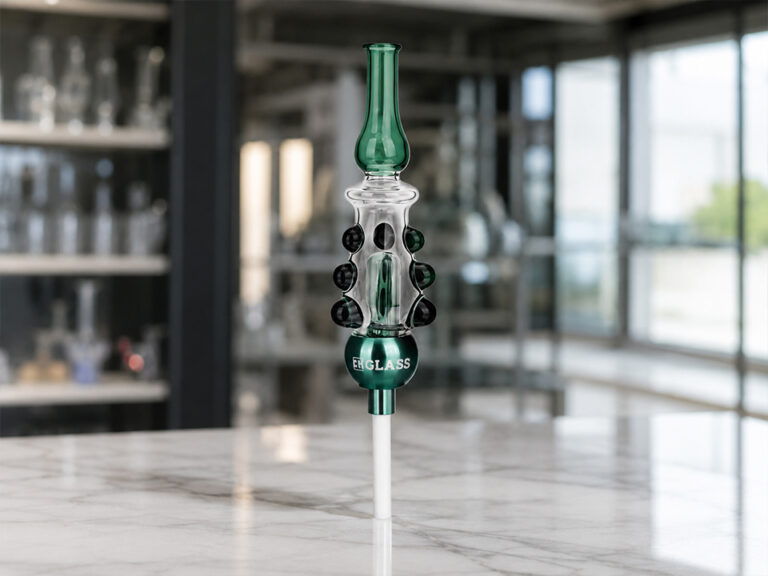
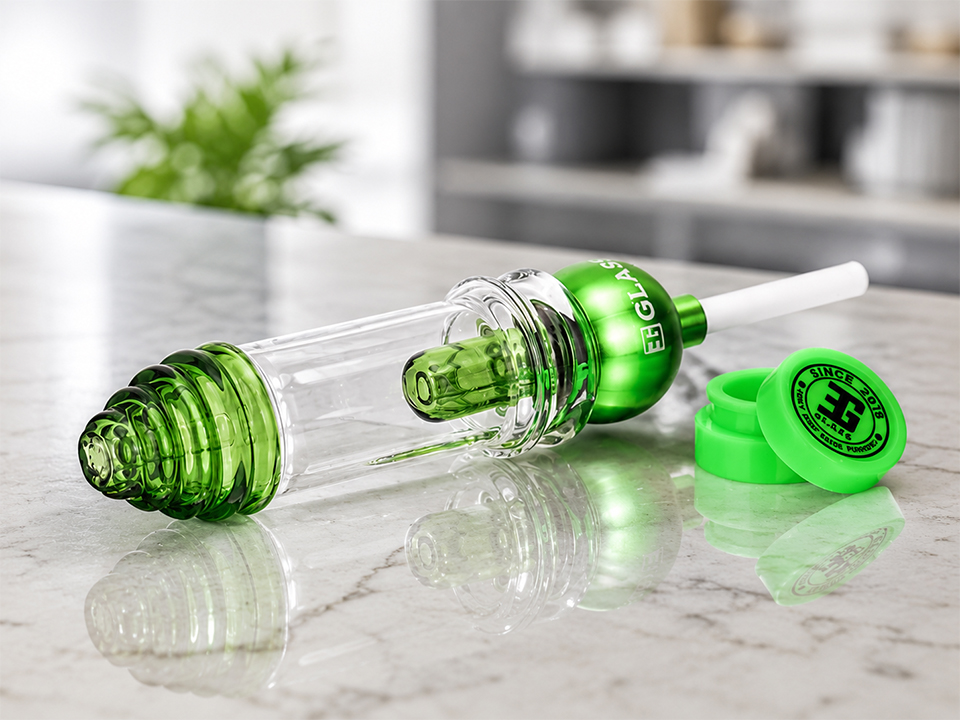
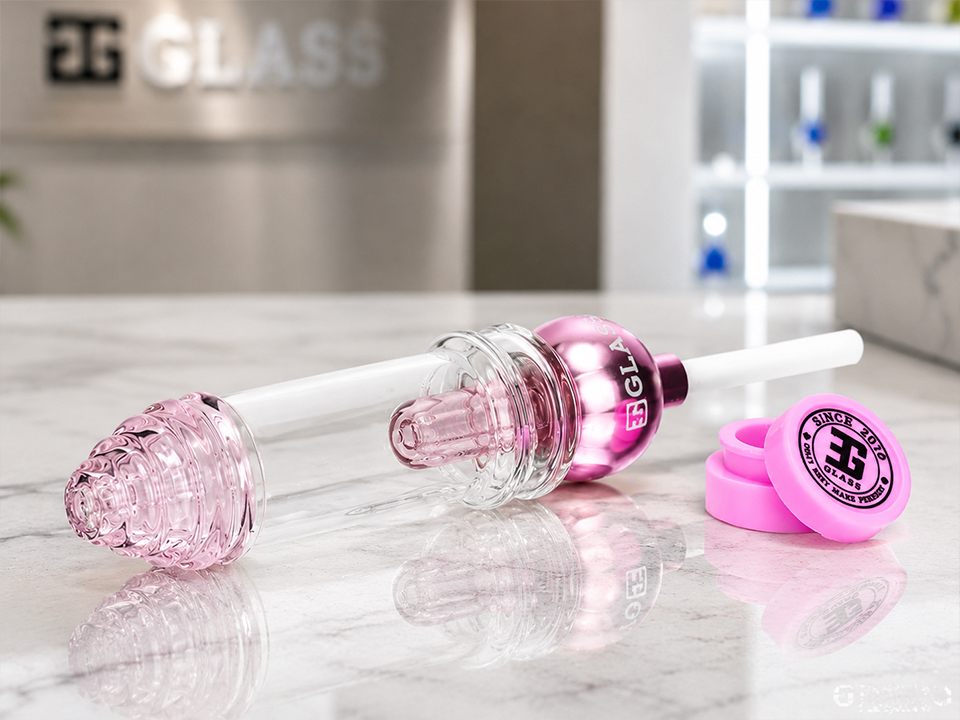
Berücksichtigen Sie eine Glas-Nektarsammler mit 510er-Gewinde und einer Idee aus Keramik. Das Produkt besteht aus einem Glaskörper, einem abnehmbaren 510er-Gewinde-Aufsatz, einem Keramikeinsatz, einem Metallsockel und einem Silikonbehälter. Die separate Zulassung dieser Teile garantiert nicht, dass sich jede Produktionskombination ordnungsgemäß zusammenbauen lässt.
Die Schnur kann zwar greifen, ist jedoch möglicherweise zu kurz geschnitten. Der Keramikeinsatz sitzt möglicherweise nicht in der Achse. Die Öffnung überträgt das Drehmoment möglicherweise direkt auf das dünne Glas. Eine Dichtung kann nach wiederholter Reinigung an Festigkeit verlieren. Keines dieser Probleme lässt sich bei einer fünfsekündigen Sichtprüfung stets erkennen.
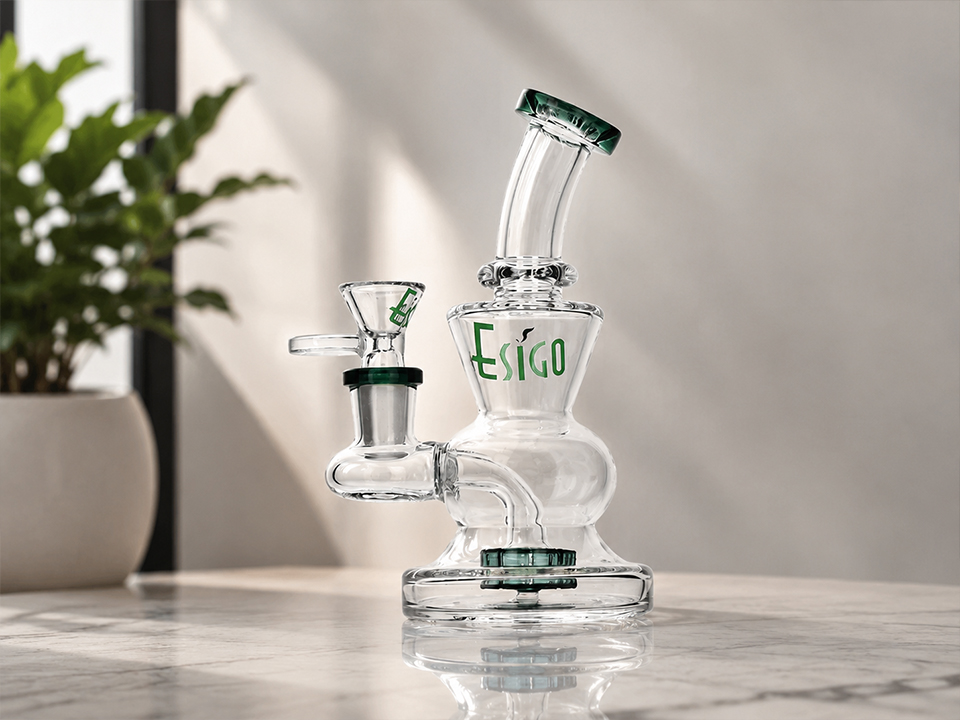
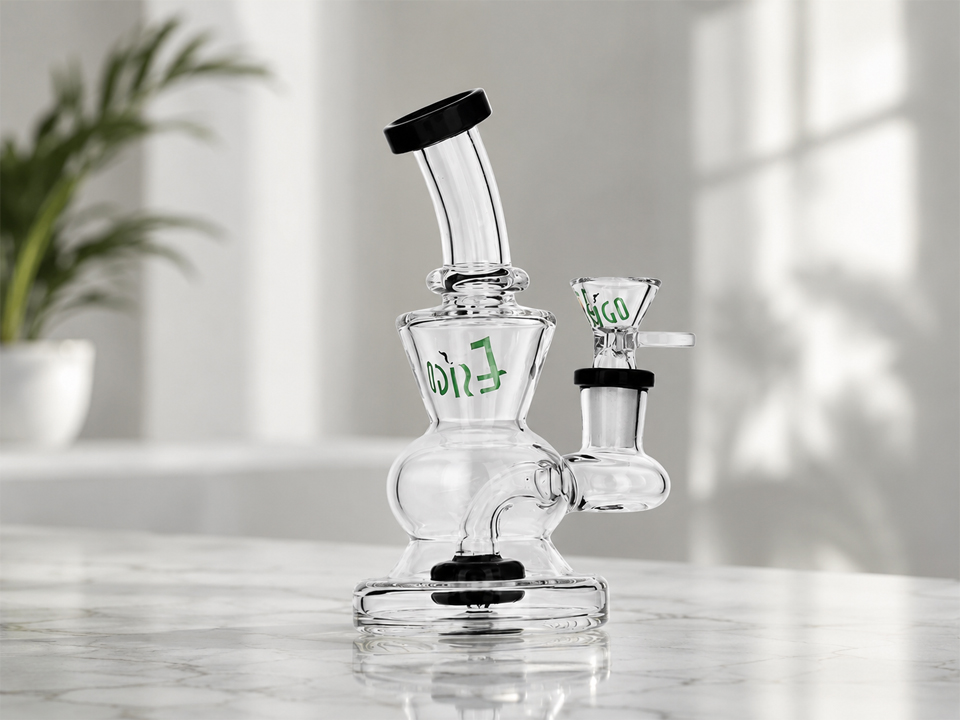
Genau dasselbe Konzept gilt auch für ein Bong aus klarem Glas mit abnehmbarer Schale und integriertem Downstem. Der Verbindungsdurchmesser ist nur die allererste Variable. Die Kunden müssen außerdem die Einstecktiefe, die Konizität, die Winkelausrichtung, die Dichtungsqualität, den Abstand zur Schale, die Einstellung des Unterrohrs und die auf die Seitenwand ausgeübte Hebelkraft kontrollieren.
„Schließen“ funktioniert nicht mehr.
Und wenn ein Händler stillschweigend einen bestimmten Zubehörartikel austauscht, dabei aber das Bestandsführungssystem, die Bestellung, die Produktverpackung und die Artikelbilder beibehält, bemerkt das Vertriebsteam möglicherweise gar nicht, dass sich die Baugruppe geändert hat – bis in Rückgabebegründungen auf Spiel, mangelhafte Passform, eingeschränkte Zugkraft oder Brüche im Bereich der Verbindung hingewiesen wird.
Warum sollte der Verbraucher letztendlich derjenige sein, der die Entscheidung trifft?
Drei Rückrufaktionen aus dem Jahr 2024 zeigen, wie aus kleinen Ungleichheiten große Verpflichtungen werden
Daten zu Rückgaben von Raucherzubehör werden so gut wie nie offen gelegt, daher nutze ich Rückrufaktionen bei ähnlichen Konsumgütern als Stresstests für die Annahmen der Branche. Die Produkte variieren zwar, doch das Muster der Fehler ist schmerzlich vertraut: Die geplante Nutzung stößt auf eine unzureichend geprüfte Material- oder Komponentenverbindung.
Am 20. Juni 2024 gab die US-amerikanische Kommission für die Sicherheit von Verbraucherprodukten (CPSC) den Rückruf von etwa 580.000 JoyJolt Declan-Kaffeetassen aus einwandigem Glas da sie beim Befüllen mit heißer Flüssigkeit zerbrechen oder beschädigt werden könnten. Die Aufzeichnung bestand aus 103 Vorfälle und 56 Verletzte: 35 Verbrennungen, 21 Schnittwunden und 7 Fälle, die eine medizinische Behandlung erforderten, darunter Operationen oder das Setzen von Stichen.
Der Mangel war nicht ästhetischer Natur. Es handelte sich um einen Konflikt zwischen der tatsächlichen thermischen Belastung des Behälters und seiner Fähigkeit, dieser Belastung zuverlässig standzuhalten.
Drei Monate zuvor hatte die CPSC etwa 440.500 Metallbecher die 2023 in den Geschenkkollektionen der Marke Starbucks angeboten wurden. Die Tassen können zu heiß werden oder zerbrechen, wenn sie in die Mikrowelle gestellt oder mit sehr heißer Flüssigkeit befüllt werden; die Aufsichtsbehörden haben festgestellt, dass 12 Vorfälle und 10 Verletzte, bestehend aus 9 schweren Verbrennungen oder Blasen. Die Sets waren im Einzelhandel für etwa $10, $13 oder $20.
Danach folgt der Hinweis zur Passgenauigkeit der Komponenten. Im Juni 2024 erweiterte die CPSC einen Rückruf von Vitamix-Produkten, der etwa 569.000 Mischbehälter und Messersockel der Typen „Climb“ und „Venturist“ da sich die Behälter vom Sockel lösen und so die rotierenden Klingen freilegen können. Das Unternehmen berichtete 27 Fälle von Schnittwunden, während die Lösung eine Kunststoffabdeckung und zusätzliche Etiketten erforderte.
Glas war nicht das Produkt, das im dritten Fall versagte. Die Lehre daraus ist nach wie vor eindeutig: Wenn die Schnittstelle versagt, versagt das gesamte Produkt. Die Stärke einer Marke kann die Gesetze der Physik nicht außer Kraft setzen.
Warum Kompatibilitätsfehler überproportionale Renditen generieren
Ein sichtbarer Chip kann sich auf ein einzelnes Gerät auswirken. Ein Kompatibilitätsfehler kann jedes System betreffen, das aus demselben Toleranzstapel zusammengestellt wurde.
Angenommen, ein Importeur erhält 10.000 Steckverbinder. Ein Stecker, der die obere Toleranzgrenze erreicht, wird mit einer Buchse verbunden, die die untere Toleranzgrenze erreicht. Nur 41 TP3T-Steckverbinder verklemmen sich beim Zusammenbau oder bei der Reinigung, was zu 400 Rücksendungen führt.
Bei Beispielkosten von $18 für den Produktwert nach Anlieferung, $14 für die Rücklogistik und $8 für die Begutachtung und Entsorgung pro Rücksendung beläuft sich der reine Verlust auf $16,000:
400 × ($18 + $14 + $8) = $16.000
Diese Berechnung berücksichtigt weder erstattete Versandkosten, Abrechnungsgebühren, Kundendienstkosten, Ersatzware, Marktplatzstrafen, negative Bewertungen noch die geringere Konversionsrate, die mit einer sinkenden „Falling Star“-Bewertung einhergeht. Ebenfalls nicht berücksichtigt werden Systeme, die Kunden zwar behalten, aber nie wieder kaufen.
Das ist die harte Realität: Der Rückgabepreis wird in der Regel zu direkt festgelegt. Das Geld wird als Rückerstattung verbucht. Die Marke muss ein schlechtes Suchmaschinenergebnis hinnehmen.
Wo sich Kompatibilitätsprobleme in einer Produktreihe verbergen
Schnüre, Aufsätze und abnehmbare Reinigungslösungen
Ein austauschbares Design verbessert die Wartung nur dann, wenn die Teile über alle Chargen hinweg kompatibel bleiben. Für eine „Pull & Clean“ – Annahmestelle für Glasflaschen, würde ich die Haltekraft des Schlauchs, die Entnahmekraft, die Wiederherstellung der Dichtung, die Positionierung und die Widerstandsfähigkeit gegenüber Reinigungszyklen überprüfen – und nicht nur, ob der Schlauch zu einem bestimmten Zeitpunkt eingeführt werden kann.
Ein kleines 510er-Gewinde allein garantiert noch keine umfassende Effizienz. Gewindesteigung, Gewindetiefe, Einlaufgeometrie, axialer Rundlauf, Schichtdichte, Dichtungskompression und der Gesamtwiderstand beeinflussen alle die endgültige Passform.
Schalen, Verbindungsstücke und abgewinkelte Verbindungsglieder
Glas-Glas-Verbindungen täuschen durch ihre Einfachheit. Ein Bauteil kann zwar in die Verbindung passen, aber dennoch nicht richtig sitzen, Luft durchlassen, sich nach dem Erwärmen festsetzen oder extreme Biegebeanspruchungen auf den Seitenarm ausüben.
Das Risiko steigt in einem Perkolator-Wasserpfeife mit einem schräg angeordneten Seitenanschluss, da die Einstellung der Verbindung sowohl die Dichtheit als auch die Auswuchtung beeinflusst. Prüfen Sie das Produkt mit echtem Produktionszubehör unter Berücksichtigung der Mindest-, Höchst- und Solltoleranzen. Ein oberflächliches Referenzbeispiel sagt so gut wie nichts über die Austauschbarkeit der Chargen aus.
Perkolatoren, Recyclinganlagen und Lösungen zur Luftzirkulation
A Recycler-Zerkleinerer mit Zyklon-Perkolator ist ein Strömungssystem und nicht nur geformtes Glas. Schon winzige Abweichungen beim Rohrdurchmesser, bei der Lage der Schweißnähte, beim Kammervolumen, beim Wassergehalt oder bei der Anordnung des Rücklaufs können zu Rückspritzungen, Toträumen, zu hohem Widerstand oder einer schwachen Umwälzung führen.
Ästhetische Ähnlichkeit ist keine sinnvolle Gleichwertigkeit. Ich habe wenig Verständnis für Prüfberichte, die eine Recyclinganlage beschreiben, ohne die Luftzirkulation oder den Wasserverbrauch zu dokumentieren.
Farbiges Glas und Verbundprodukte
Die Farbkonsistenz steht im Fokus, da sie für den Käufer sichtbar ist. Die thermische Beständigkeit verdient jedoch noch mehr Beachtung, da sie erst nach Erwärmung, Klimatisierung, Reinigung oder Beanspruchung sichtbar wird.
Borosilikatglas wird häufig mit einem geringen Wärmeausdehnungskoeffizienten in Verbindung gebracht, der typischerweise bei etwa 3,3 × 10⁻⁶ K⁻¹ für Borosilikat 3.3. Ein Produkt sollte jedoch nicht allein deshalb als kompatibel bezeichnet werden, weil das Hauptrohr als Borosilikat bezeichnet wird. Farbige Abschnitte, Anbauteile, Schweißmaterial, Keramikkomponenten, Metallbeschläge und dekorative Elemente müssen als System zusammenwirken.
Ein ansprechendes Handpfeife aus getöntem Glas mit Löffelform Ebenso ist eine Überprüfung auf Ebene der Charge hinsichtlich der Farbverteilung, der Konsistenz der Behälterwände, der Ausgewogenheit und der Verpackungsbeschränkungen erforderlich. Das Erscheinungsbild ist das erste Verkaufsargument. Die Zuverlässigkeit ist das zweite.
Die Kompatibilitätsmatrix, die Kunden einfordern sollten
Eine solide Prüfstrategie ordnet jede Schnittstelle ihrem wahrscheinlichsten Ausfallfall und einem objektiven Freigabeprotokoll zu.
| Kompatibilitätsbereich | Typischer Fehler oder Ungleichheit | Kundenbeschwerde | Mindestbestätigung | Beweismittel freigeben |
|---|---|---|---|---|
| Gelenkdurchmesser und Konus | Locker, eingeschränkt, flach oder außeraxial sitzend | “Die Schale passt nicht” oder “Verbindung gebrochen” | Go/No-Go-Prüfung sowie Prüfung der Passteile | Abmessungen pro Zahnhohlraum und gesamte Charge |
| Link mit Thread-Struktur | Gewindeverwechslungen, kurze Interaktion, Rundlaufabweichung | “Der Zeiger sitzt schief” oder “die Basis hat sich gelöst” | Drehmoment-, Eintauchtiefen- und Zyklusprüfungen | Drehmomentbereich und Zyklus sind entscheidend |
| Benutzeroberfläche aus Glaskeramik | Differenzielle Entwicklung oder Punktbelastung | Riss in der Nähe des beheizten Zeigers | Regelmäßige Beheizung der Wohnung und geregelte Klimatisierung | Testtemperaturstufen und fehlerhafte Bilder |
| Geschweißtes Rohr oder Perkolator | Begrenzte Bohrung oder unzureichende Positionierung | Schwache Saugkraft, Spritzwasser, keine Recyclingfunktion | Luftstrom- und Wasserfunktionsprüfung | Array mit Videos oder Analysen übergeben |
| Abnehmbares Reinigungsteil | Verschleiß der Dichtungen, Lockerung, Einschluss von Rückständen | Undichtes oder festsitzendes Element | Reinigungszyklen mit festgelegten Reinigungsmitteln | Druck vor und nach dem Zyklus |
| Grundfläche und Schwerpunkt | Vibrationen, Kippen, asymmetrische Belastung | “Auf dem Tisch instabil” | Prüfung auf Monotonie und Spitzenwinkel | Monotoniewert und Neigungswinkel |
| Verkaufs- und Transportverpackungen | Glas-auf-Glas-Kontakt oder unzureichender Abstand | Bei Ankunft beschädigt | Prüfung auf Verringerung des Verpackungsinhalts und Vibrationstest | Änderung der Verpackung und Testergebnis |
| Gemischte Produktionschargen | Verlust der Austauschbarkeit | Das Ersatzteil wird mit Sicherheit nicht passen. | Matrix zur lotübergreifenden Einrichtung | Dokument zur Chargenverträglichkeit |
Ein Paradebeispiel ist keine Matrix. Es handelt sich um eine Einrichtung im Premium-Segment.
Warum die Qualitätssicherung bei gewöhnlichen Glaswaren das Problem übersieht
Bei vielen Prüfverfahren kommt es auf Schnelligkeit an. Die Prüfer zählen die Geräte, überprüfen die Abmessungen, vergleichen die Farben, suchen nach Kratzern und begutachten die Verpackung. Die entsprechenden Prüfungen werden häufig an einer kleinen Stichprobe durchgeführt, deren Bestandteile vom Hersteller ausgewählt werden.
Dadurch werden vier bisher unbekannte Bereiche erschlossen:
- Abweichung bei gepaarten Messungen: Der Händler liefert Teile, von denen derzeit bekannt ist, dass sie zueinander passen.
- Vorurteil in der Mitte des Toleranzbereichs: Die Prüfer bewerten eher typische Beispiele als Grenzfälle.
- Vorurteil aufgrund eines einzigen Zyklus: Das Produkt wirkt sofort, verliert jedoch nach dem Erhitzen, Reinigen oder wiederholten Entfernen seine Wirkung.
- „Golden-Sample“-Verzerrung: Ein handgefertigtes Muster wird mit Serienprodukten verschiedener Werkzeughersteller und Zulieferer verglichen.
In den Unterlagen steht also “bestanden”, doch die Kunden geben die Produkte zurück.
Bei zusammengesetzten Glasartikeln sollten bei der Prüfung die Komponenten gezielt gemischt werden. Entnehmen Sie Teile vom Anfang, der Mitte und dem Ende des Fertigungslaufs. Kombinieren Sie diese mit Zubehörteilen aus verschiedenen Behältern und Chargen. Testen Sie Kombinationen, die den ungünstigsten Fall darstellen. Erfassen Sie die Seriennummer, die Charge, die Form, das Heizsystem, die Schicht und die Zubehörcharge, sofern dies im Rahmen der Rückverfolgbarkeit möglich ist.
Ohne diese Daten wird die Ursachenanalyse zu einer Farce.
Ideale Ansätze zur Überprüfung der Glasverträglichkeit vor dem Versand
Zu den wirksamsten Methoden zur Überprüfung der Glasverträglichkeit gehören die Bewertung, die Prüfung auf Belastung und Beanspruchung, die Simulation wiederholter Verwendung sowie Tests an verpackten Produkten. Kein einzelner Test kann alle möglichen Fehler aufdecken.
1. Festlegung der Spezifikationen für die Benutzeroberfläche
Erstellen Sie Maßzeichnungen für jede Gewindefläche. Geben Sie dabei die Nennmaße, den oberen und unteren Widerstand, die Konizität, die Einstecktiefe, den Winkel, die Gewindespezifikation, die Dichtungsfestigkeit, das entsprechende Anzugsmoment sowie Änderungen an den Verteilerteilen an.
Begriffe wie “Common Size” sind keine Vorgaben.
2. Eine lotübergreifende Einrichtungsprüfung durchführen
Wählen Sie Teile aus mindestens drei Fertigungszeiträumen und mehreren Behältern aus. Stellen Sie jedes Karosserieteam mit jeder Zubehörgruppe zusammen. Falls Ersatzteile einzeln vermarktet werden, sollten Sie auf erhaltene Exemplare aus zuvor akzeptierten Chargen zurückgreifen.
Genau so lassen sich Rücksendungen von Glasprodukten vermeiden, die dadurch ausgelöst werden, dass Komponenten zwar nominell identisch sind, aber nicht wirklich austauschbar sind.
3. Prüfung der Temperaturwechselbeständigkeit auf der Einrichtungsstufe
Legen Sie die Temperaturen anhand der tatsächlichen Nutzung fest, nicht anhand optimistischer Verkaufsszenarien. Notieren Sie die Starttemperatur, die Höchsttemperatur, die Verweildauer, den Abkühlvorgang, die Anzahl der Zyklen und die Stelle, an der der Fehler auftritt.
Achten Sie auf verzögerte Risse im Bereich von Schweißnähten, Farbverläufe, Verbindungsstellen und Übergänge von dicken zu dünnen Wandstärken. Ein System, das einen Heizzyklus überstanden hat, sagt nur sehr wenig aus.
4. Funktionsumfang statt bloßer Abmessungen
Legen Sie für Luftstromkomponenten einen akzeptablen Bereich für Druckabfall oder Ansaugwiderstand fest. Geben Sie für Wasserkomponenten den Füllgrad, die Spülvorgänge, die Umwälzleistung, die Wasserableitung und die Anforderungen hinsichtlich Dichtheit an.
Zahlen sind aussagekräftiger als Adjektive. “Geschmeidig” lässt sich nicht überprüfen.
5. Reinigung und Wiederaufbau wiederholen
Verwenden Sie die Reinigungsmittel, Wassertemperaturen, Bürsten, Tupfer und Demontageverfahren, die Kunden voraussichtlich anwenden werden. Führen Sie anschließend erneut Passgenauigkeits-, Dichtheits-, Drehmoment- und Sichtprüfungen auf Belastungsstellen durch.
Ein abnehmbares Bauteil, das vor dem Einfüllen und der Reinigung zum Einsatz kommt, ist nur zur Hälfte getestet.
6. Bestätigen Sie den abgeschlossenen Ladevorgang
Testen Sie den verkaufsfertigen Behälter, die innere Sicherung, die Vorrichtungen und den Umkarton gemeinsam. Bei der Kompatibilität ist zu prüfen, ob ein Keramikgegenstand gegen eine Glaskammer stoßen kann, ob sich eine Schale aus ihrer Halterung lösen kann und ob ein schwerer Boden bei Erschütterungen des Pakets einen schmalen Hals belastet.
So lassen sich Rückgabedaten in Korrekturmaßnahmen umsetzen
Auch die Gründe für die Rücksendung sind in der Regel zu vage: “defekt”, “funktioniert nicht”, “mangelhafte Qualität” oder “entspricht nicht der Beschreibung”. Hinter diesen Bezeichnungen verbirgt sich der eigentliche Grund.
Ich empfehle, jede Rückgabe direkt in eine sinnvollere Hierarchie einzubinden:
- Beobachteter Zustand: gebrochenes Gelenk, lockere Befestigung, eingeschränkte Auszugskraft, wackelige Basis, bereits bei Lieferung defekt.
- Fehlerhaftes Timing: Auspacken, Einrichten, erste Inbetriebnahme, Erwärmung, Reinigung oder wiederholte Nutzung.
- Die Schnittstelle umfasste: Glas-Glas, Glas-Metall, Glas-Keramik, Dichtung, Verpackung oder Luftströmungsverlauf.
- Identität der gesamten Charge: Bestellung, Produktionstag, Behälter, Farbton, Form, Zubehörset und Lieferant.
- Verfügung: Marktpreis, Reparatur, Austausch des Bauteils, Verschrottung oder Belastung des Lieferanten.
Berechnen Sie die Preise dann nach Konfiguration und nicht nur nach Artikelnummer. Bei einem Artikel, der in fünf Farben erhältlich ist, kann sich eine Gesamtrücklaufquote von 2% ergeben, während eine einzelne Farbe eine Rücklaufquote von 7% aufweist, da sich die Glaszusammensetzung, das Profil der Wandoberfläche oder der Temperungsprozess unterscheiden.
Durchschnittswerte können ein konkretes Problem verschleiern. Das ist oft der Fall.
Häufig gestellte Fragen zu Kompatibilitätsproblemen mit Glas
Was führt zu Kompatibilitätsproblemen bei Glasprodukten?
Kompatibilitätsfehler bei Glasteilen sind Mängel, die entstehen, wenn zwei oder mehr Komponenten, Produkte, Maße oder Betriebsparameter, die für sich genommen einwandfrei funktionieren, nicht sicher miteinander zusammenwirken und dadurch bei normalem Gebrauch Undichtigkeiten, lockere Passungen, eingeschränkten Luftstrom, thermische Belastungen, Risse, Ablösungen, instabile Befestigungen oder Kundenrücksendungen verursachen.
Zu den üblichen Auslösern zählen die Kumulierung von Toleranzen, unbefugte Bauteilersetzungen, unzureichendes Glühen, inkompatible Fertigungsgewohnheiten, außeraxiale Verbindungen, unzureichende Dichtungen, veränderte Wanddichte sowie Verpackungen, die einen Kontakt der Bauteile ermöglichen. Der Grund liegt häufig in einer Änderung bei einem Lieferanten oder in einem Verfahren, die im Rahmen der gesamten Montage nie erneut validiert wurde.
Inwiefern führt die Prüfung der Glaskompatibilität zu geringeren Erträgen?
Die Prüfung der Glasverträglichkeit minimiert Rücksendungen, indem sie nachweist, dass die Produktionskomponenten während des gesamten praktischen Nutzungszyklus austauschbar, mechanisch sicher, temperaturbeständig, zweckmäßig, reinigungsfähig und angemessen geschützt bleiben – und nicht nur bei einer ästhetischen Beurteilung einzelner Teile oder eines sorgfältig ausgewählten Referenzmusters einen guten Eindruck hinterlassen.
Die aussagekräftigsten Tests konzentrieren sich auf Grenzfälle: den am engsten sitzenden Adapter mit der kleinsten Buchse, das schwerste Zubehörteil an der am wenigsten stabilen Halterung sowie getönte oder beschriftete Bereiche, die wiederholten Temperaturschwankungen ausgesetzt sind. Die Prüfung eines durchschnittlichen Geräts vermittelt ein typisches Maß an Vertrauen.
Werden alle Risse als Herstellungsfehler bei der Glasherstellung angesehen?
Ein Glasbruch ist ein physikalisches Versagen, stellt jedoch nicht automatisch einen Hinweis auf ein Herstellungsproblem dar; Risse können durch wiederkehrende Belastungen, ungeeignete Verbindungsmaterialien, ein zu hohes Anzugsmoment, Stöße während des Transports, plötzliche Temperaturschwankungen, einen unzureichenden Sitz des Geräts oder unsachgemäßen Gebrauch nach Verlassen des Werks verursacht werden.
Der Ursprung des Risses ist entscheidend. Gutachter müssen die Richtung des Risses, seine Lage, Verzweigungen, Kontaktstellen sowie die Nähe zu Fugen oder Wandverschiebungen dokumentieren, bevor sie die Haftung zuweisen. Jeden Riss als “Transportschaden” zu bezeichnen, ist zwar bequem, aber nicht wissenschaftlich fundiert.
Was sind die besten Methoden zur Überprüfung der Glasverträglichkeit?
Das beste Verfahren zur Überprüfung der Glasverträglichkeit ist eine risikobasierte Testreihe, die folgende Elemente umfasst: Überprüfung der vorgeschriebenen Abmessungen, Austauschbarkeit von Teilen aus verschiedenen Chargen, Drehmoment- oder Haltekraftprüfungen, thermische Wechselbelastung, Funktionsprüfungen mit Luftstrom oder Wasser, doppelte Reinigung und Wiedermontage, Prüfung der Maßhaltigkeit sowie Fall- und Vibrationstests an verpackten Produkten im Vergleich zu festgelegten Abnahmegrenzen.
Die Anweisung lautet wie folgt: Beginnen Sie mit den Anforderungen, ermitteln Sie die Schnittstellen, die den Kunden schaden oder die Funktion des Artikels beeinträchtigen könnten, und testen Sie diese Benutzeroberflächen unter den ungünstigsten Belastungskombinationen. Halten Sie die tatsächlichen Analysen, Chargenkennungen, Zykluszählungen und Fehlerorte fest, damit die Abhilfemaßnahmen überprüft werden können.
Wie können Importeure Rückgaben von Glasprodukten verhindern?
Importeure können Rücksendungen von Glasartikeln verhindern, indem sie statt einzelner Teile komplette Konfigurationen verwalten, Teilespezifikationen festlegen, jeden Lieferanten und jede Änderung genehmigen, die Austauschbarkeit zwischen verschiedenen Chargen prüfen, die thermische und funktionale Leistung überprüfen, die Endverpackung validieren und Kundenerückgabedaten mit den Produktionschargen sowie bestimmten Schnittstellenfehlern verknüpfen.
In Bestellungen muss der unbefugte Austausch von Produkten untersagt werden. Bei Prüfverfahren müssen Tests mit gemischten Kartons vorgesehen werden. Und Lieferanten müssen objektive Nachweise vorlegen – und nicht nur beruhigende Worte – wenn sich eine Schnur, eine Verbindung, ein Keramikelement, eine Dichtung, ein Perkolator, eine Farbrezeptur oder eine Packungsbeilage ändert.
Geben Sie kein Geld mehr für vermeidbare Kompatibilitätsfehler aus
Probleme mit Glasprodukten werden sicherlich nie ganz verschwinden. Rücksendungen aufgrund von Kompatibilitätsproblemen lassen sich jedoch deutlich reduzieren, wenn Käufer Zubehör nicht mehr als Nebensache betrachten, sondern das Gesamtprodukt unter Berücksichtigung der Fertigungstoleranzen prüfen.
Regulierte Abbildungen anfordern. Chargenübergreifende Tests durchführen. Reales Merkmal prüfen. Die Montage durchlaufen. Den fertigen Behälter prüfen.
Bevor Sie sich für ein komplettes Sortiment entscheiden, sollten Sie genau vergleichen, wie sich Komponenten, Sockel, Verbindungsstücke, Luftströmungswege und Verpackungen in den verschiedenen Ausführungsvarianten verhalten – vom Sammelbehälter mit abnehmbarer Spitze bis hin zur Wasserpfeife in voller Größe. Prüfen Sie die Anforderungen, legen Sie die Zulassungsbeschränkungen fest und machen Sie die Kompatibilität zu einem festen Bestandteil jeder Kaufentscheidung.
Der kostengünstigste Fehlversuch findet vor der Auslieferung statt.